Spending time outdoors has become an essential part of modern living – whether it’s a quiet morning coffee on the terrace or an evening gathering in the garden. Our outdoor spaces are no longer just decorative; they’re places where we relax, work, entertain, and recharge. With the right ideas and a bit of planning, even the simplest garden can be transformed into something special — a space that not only complements your home but enhances how you live every day.
Start with style and function in mind
Before you dive into layouts, furnishings, or planting schemes, it’s essential to define what you want your outdoor space to feel like. A strong design starts with clarity.
Do you prefer the crisp lines and muted palette of minimalism? The laid-back textures of a bohemian hideaway? Or the light, clean, functional style of Scandinavian design? Each aesthetic brings different energy to the space – but consistency is key. Mixing styles can work, but it requires finesse. More often, it’s best to settle on a clear visual language and stick to it.
Function matters just as much. Do you need a quiet space to read? An area to host dinners? Somewhere the kids can play safely? Design becomes effortless when form follows need.
Do you prefer the crisp lines and muted palette of minimalism? The laid-back textures of a bohemian hideaway? Or the light, clean, functional style of Scandinavian design? Each aesthetic brings different energy to the space – but consistency is key. Mixing styles can work, but it requires finesse. More often, it’s best to settle on a clear visual language and stick to it.
Function matters just as much. Do you need a quiet space to read? An area to host dinners? Somewhere the kids can play safely? Sometimes, multipurpose pieces such as round end tables for living room that double as both decorative and functional accents can also transition beautifully into outdoor use. Design becomes effortless when form follows need.
Materials that last – and still look good
A beautiful space loses its charm quickly if it’s weather-beaten or high-maintenance. That’s why durable, easy-care materials are the backbone of great garden design.
Opt for:
- treated or thermally modified wood for natural charm and resilience
- powder-coated aluminium for rust-free furniture and frames
- UV- and moisture-resistant fabrics for cushions and upholstery
These materials balance looks and longevity, letting your garden age gracefully – not decay rapidly. And when they’re thoughtfully chosen, they blend seamlessly into almost any style. If you don’t know which material to choose check out the article “Metal or wooden shed?”. It may help you choose the best option for you.
The enduring appeal of wooden garden houses
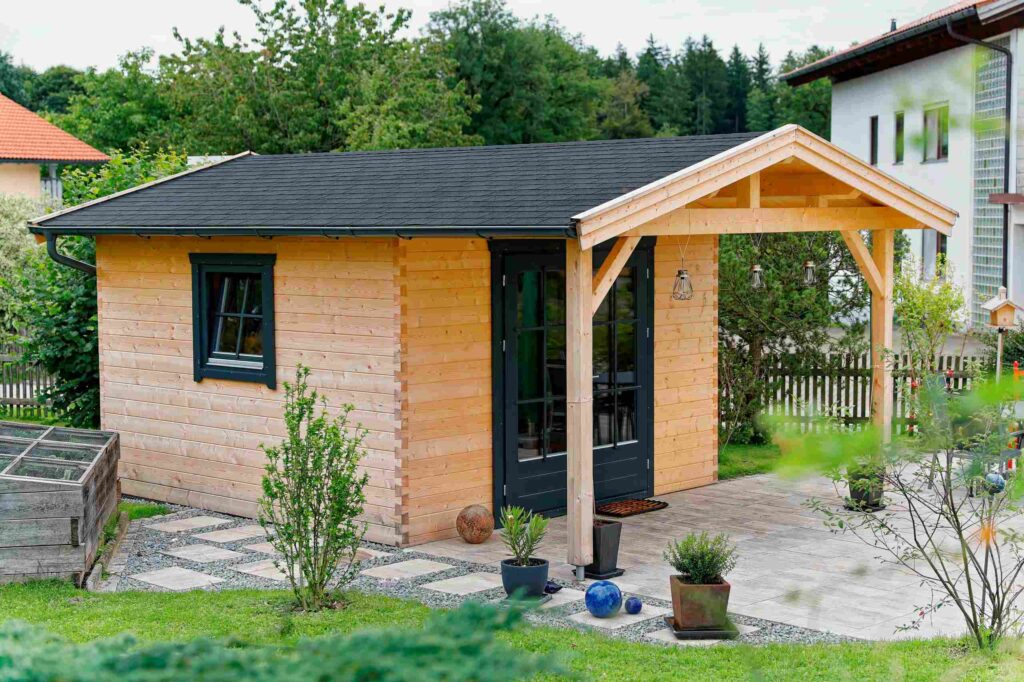
There’s something innately comforting about a wooden structure nestled into a garden. Wooden garden houses offer more than rustic charm — they bring warmth, texture, and a connection to nature that few materials can match. Their appeal lies not only in how they look, but in how they feel: natural, grounding, and enduring.
These structures are incredibly versatile. One might serve as a summer guest house, complete with French doors, gauzy curtains, and soft evening lighting. Another could become a quiet writer’s studio, flooded with natural light. Others take shape as serene yoga retreats, tool sheds with architectural character, or creative workshops for weekend projects. Whatever the function, their very presence elevates the garden — adding shape, purpose, and atmosphere.
What makes wooden garden houses truly special is their adaptability. With the right finish and design, they can be:
- modern and minimalist, with sharp lines, large windows, and monochrome exteriors
- warm and traditional, echoing the feel of a country cottage or alpine chalet
- fully customised, from insulation and flooring to cladding, decking, and internal layouts
Wood is also incredibly tactile — its grain, scent, and natural imperfections make each structure feel alive in a way synthetic materials rarely do. It responds to the environment, changing subtly with the seasons, and inviting a deeper connection with the outdoors.
From a practical standpoint, timber is remarkably efficient. It offers excellent natural insulation, helping regulate interior temperatures in both summer and winter. Properly treated, it’s resistant to moisture and insects, and can easily be refinished or repaired over time — unlike many composite or plastic alternatives that degrade and become irreparable.
For the environmentally conscious, the appeal is even stronger. Responsibly sourced timber is renewable, biodegradable, and has a far lower carbon footprint than concrete or metal. Many modern wooden garden houses are built using FSC-certified wood and eco-friendly stains or oils, making them a sustainable choice from construction to long-term use.
Expanding modern garden living with insulated designs
As outdoor lifestyles evolve, many homeowners are seeking ways to enjoy their garden spaces year-round. This is where insulated garden rooms come into play — beautifully crafted structures that maintain comfort in every season. Whether you’re working from home, pursuing a hobby, or simply looking for a peaceful escape, these rooms offer exceptional temperature control and acoustic insulation.
For those who want a balance between style and productivity, garden office pods are another inspired option. Compact yet spacious, they create the perfect blend of design, privacy, and function — turning your backyard into a truly functional extension of your home.
Metal garden constructions: Minimalism meets durability
If wood offers warmth, metal brings clarity. Sleek, functional, and resilient, metal garden houses are increasingly popular with homeowners who prioritise clean lines and low maintenance.
Made from galvanised steel or high-grade aluminium, these structures are designed to outlast harsh climates and require very little upkeep. They’re impervious to pests, moisture, and warping — problems that even the best wood must occasionally contend with.
What makes them compelling in modern gardens isn’t just their performance — it’s their aesthetic. These aren’t cold or industrial unless you want them to be. Today’s metal garden houses can look elegant, even sculptural. Think black matte finishes, flush doors, seamless windows.
They’re ideal for:
- secure, weatherproof storage with a sleek profile
- outdoor home offices with a distinctly modern look
- stylish guest pods or creative studios
- modular use – start small and expand later
Plus, many are made from recyclable materials, adding to their appeal for environmentally-minded buyers.
Pergolas and gazebos: Framing the garden, naturally
There’s a quiet sophistication to a well-placed pergola. It doesn’t scream for attention, but it instantly transforms an empty patch of garden into something structured and intentional.
Pergolas are incredibly flexible. Whether made of wood or aluminium, they work well over dining areas, outdoor kitchens, or even hot tubs. Add climbing plants like jasmine or clematis, and you get a living ceiling that changes with the seasons.
Gazebos, in contrast, provide shelter and enclosure — perfect for areas where you want protection from sun or light rain. They’ve evolved beyond Victorian frills: today’s gazebos often feature sleek lines, retractable screens, and built-in lighting.
Their function is simple: they create rooms outdoors. And with the right positioning, they can act as natural focal points — guiding how you move through the space, where you pause, and where you gather.
Garden Saunas: Your private wellness ritual
Few features elevate a garden from enjoyable to exceptional quite like a sauna house. Long a staple in Scandinavian homes, outdoor saunas are finding their place in gardens around the world, offering a serene blend of wellness and luxury.
More than just a health feature, a sauna, including the highly popular infrared sauna models, can become part of a larger daily rhythm: a space to disconnect, slow down, and reset.
The benefits are clear:
- improved blood circulation and immune function
- stress relief and mental clarity
- a quiet, screen-free retreat just steps from your home
Today’s saunas can be rustic or sleek. Many incorporate glass fronts to keep you connected to the garden view. Others come with integrated decks or plunge tubs, turning the area around the sauna into a wellness zone all its own. You don’t need a large property to enjoy one — compact models are available that still deliver all the essential benefits.
Bertsch Holzbau: Old-World craft, modern vision
When tradition meets innovation, the results can be spectacular. Bertsch Holzbau, one of Europe’s most respected outdoor construction brands, is a perfect example of that balance.
Known for its premium wooden structures — from garden houses and saunas to carports and garages — the company combines meticulous craftsmanship with sustainability. All timber is carefully selected and treated for longevity, while the designs range from alpine charm to contemporary precision.
But what makes Bertsch Holzbau especially relevant today is its embrace of modern materials. Their newest line MAFAL – metal garden houses brings the same level of quality and detail to a different aesthetic — minimalist, urban, and endlessly practical. They’ve also introduced metal bike boxes and bin shelters, offering functional solutions that don’t detract from your outdoor aesthetic. Everything is built with the same eye for proportion, quality, and finish — whether it’s timber or metal. You can check all project on their website: https://bertsch-holzbau.eu/en/.
More than just a pretty garden
Transforming your garden isn’t just about looks. It’s about creating a space that reflects your priorities — whether that’s relaxation, connection, creativity, or wellness. With thoughtful design and long-lasting materials, your outdoor space can serve as a sanctuary for years to come.
From wooden or metal garden houses to shaded pergolas and private saunas, the possibilities are vast. But the true success of a garden lies in how well it fits you — not just your home, but your rhythm of life.Start with intention. Design with care. And let your garden grow into something greater than the sum of its parts.