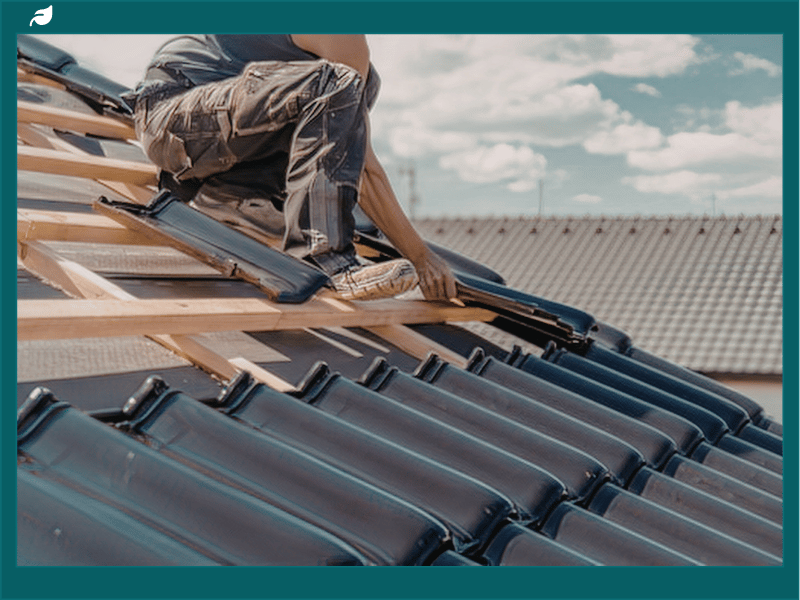
A roof is part of how the whole building works. It does more than protect rooms from rain. Its condition affects heating costs, cooling, indoor comfort, and repair needs. In wet regions, even a small defect can cause damage inside the structure. Moisture can reach insulation, wood framing, storage zones, equipment rooms, and tenant areas. The problem may stay hidden for a long time. Water often sits inside roof layers before stains appear on the ceiling. Regular inspections help catch these issues earlier. Clear drains, proper ventilation, strong flashing, and durable materials also reduce risk. With steady roof care, owners waste fewer materials and avoid expensive emergency repairs.
Local Roof Care Starts With Climate
Property owners comparing Roofing Contractors in Whatcom County should begin with local weather conditions. Whatcom County has long wet periods, coastal wind, moss pressure, and seasonal temperature shifts. These conditions can shorten roof life when installation details are weak. Flashing, underlayment, gutters, ventilation, and fasteners need careful attention. A low estimate can miss those details. That can create larger costs later. A contractor with local experience can explain which materials fit the building.
Moisture Control Comes Before Energy Upgrades
Many owners think about solar panels, insulation, or efficient heating before they think about roof moisture. That order can create problems. Wet insulation loses performance and may need replacement. Damaged decking can weaken the roof structure. Mold concerns can also appear when leaks reach interior spaces. A building can waste energy because moisture entered through a small defect. The repair may then require new materials, drying equipment, disposal work, and interior restoration. Preventing that chain is one of the cleanest ways to reduce waste.
Material Choices Need Practical Questions
Roof materials should match the property, not a sales trend. A steep residential roof may need different planning than a flat commercial roof. A shaded roof with nearby trees may face moss and debris. A bright open roof may face more UV wear. Buildings with attic space need ventilation checks.
Before approving materials, owners should ask:
- How does this material handle heavy rain?
- What yearly maintenance will it need?
- Can damaged areas be repaired separately?
- How will old materials be removed?
- What warranty covers labor and materials?
- Does ventilation need improvement?
Installation Quality Decides the Real Result
A strong material can still fail early when the work is careless. Poor nail placement, weak flashing, bad ventilation, and uneven drainage can shorten roof life. These mistakes create waste because materials get replaced before their time. They also reduce the value of better products. Owners should ask how the crew protects seams, edges, penetrations, and gutters. They should also request clear project photos and warranty details. Documentation helps future repairs happen faster. It also supports insurance claims when storms cause damage. Good installation makes sustainability practical, not decorative.
Maintenance Keeps Materials Out of Landfills
Maintenance does not look as dramatic as roof replacement. But it often does more to reduce waste. When gutters are full, water can back up under the roof edge. When drains are blocked, water can sit on flat roofs for too long. Branches can scrape the surface and leave debris after every storm. Moss can also cause problems if it is removed too roughly.
Maintenance also protects comfort inside the building. Blocked ventilation can trap moisture and heat. Wet insulation can make heating systems work harder. Damaged roof surfaces can create cold spots or damp rooms. These problems often build slowly. Owners may notice higher bills before they notice a leak. Annual roof reviews help connect small exterior issues with indoor performance. They also create a simple record of roof condition. That record helps owners make better decisions during repairs, refinancing, or property sales.
Contractors Influence Better Building Habits
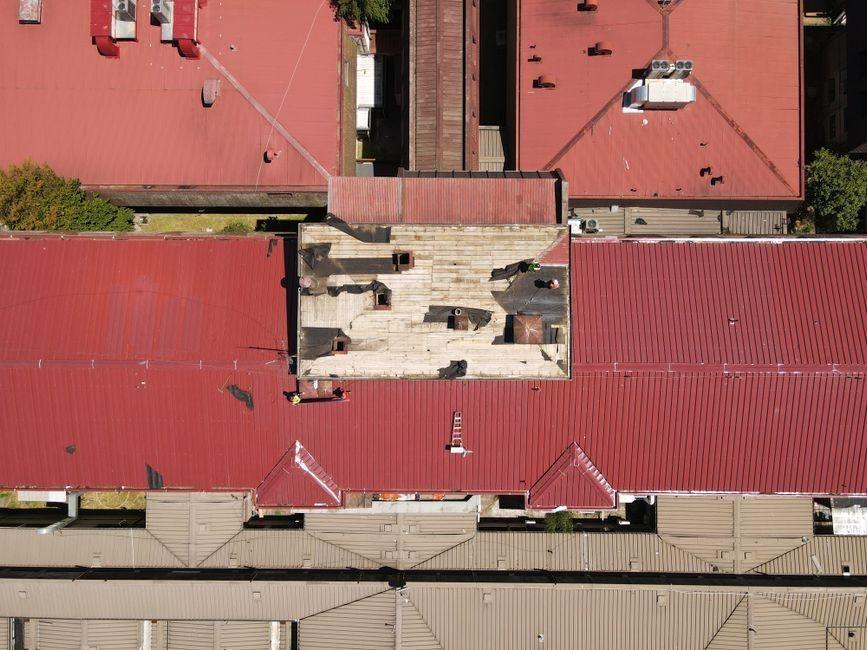
Roofing contractors influence the full life of a roof system. Their advice affects material choice, repair timing, ventilation, drainage, and waste handling. A good estimate should explain more than the surface material. It should cover underlayment, flashing, disposal, cleanup, warranty terms, and future maintenance. Owners should also ask whether repair is possible before full replacement. Sometimes a targeted fix can protect the roof for more years. In other cases, replacement prevents repeated leaks and wasted labor.
Better Roof Planning Supports Responsible Growth
Sustainable building work does not always need dramatic upgrades. Sometimes it starts with keeping water out, extending material life, and avoiding rushed replacement. A roof is one of the best places to do that. It protects the structure every day. It also affects energy use, repair waste, insurance records, and indoor comfort. Owners who plan roof care early gain more control. They can compare materials carefully and choose work that fits the property.