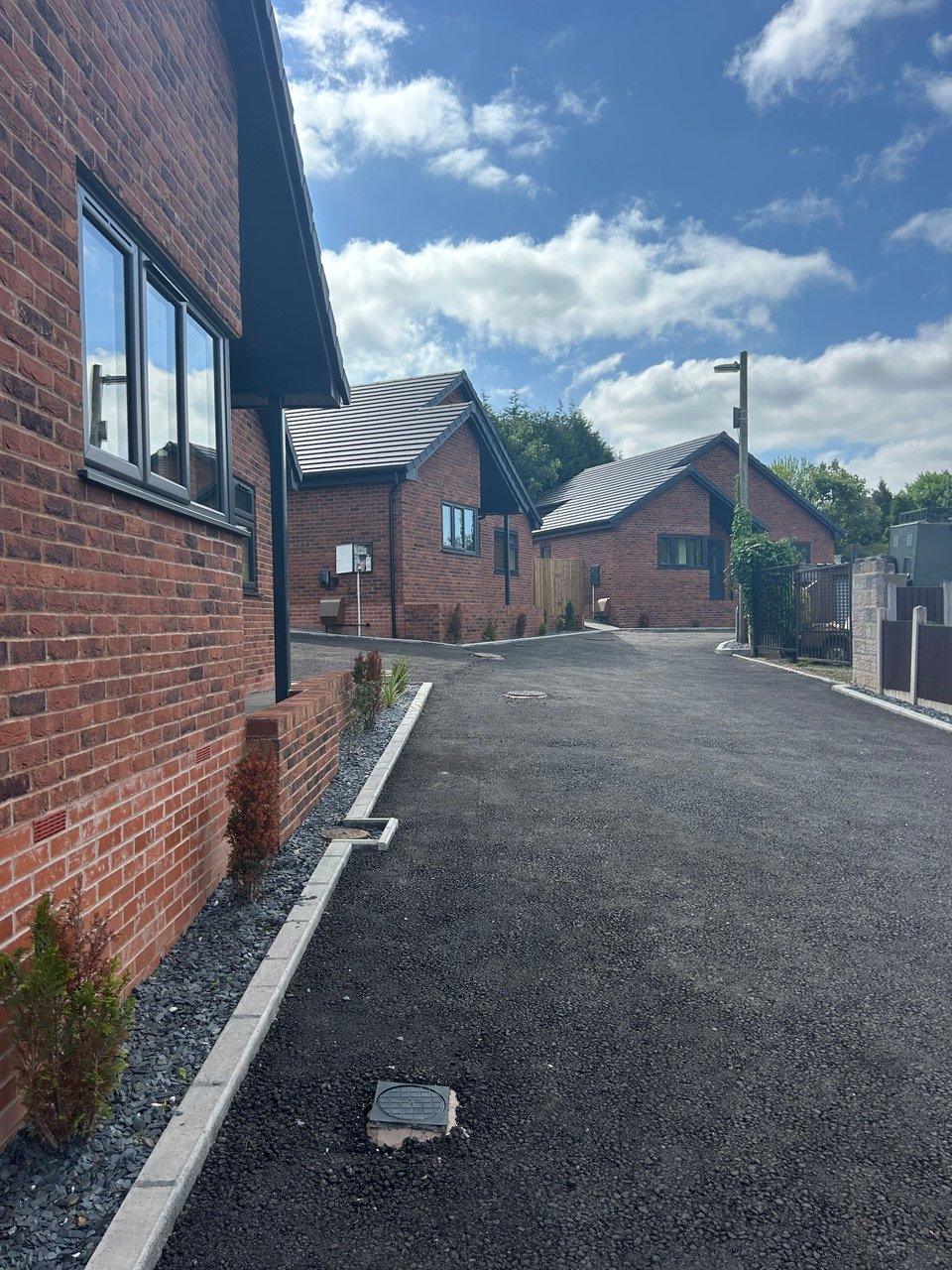
You face persistent maintenance headaches when synthetic cladding panels and petroleum roofing membranes fail on your projects. Standard commercial coverings often crack, blister, and leak after just 15 to 20 years, forcing building owners into expensive tear-offs that strain maintenance budgets and flood local landfills.
You can break free from this expensive cycle by adopting self-healing, non-ferrous metals that protect your building envelope for generations. Specifying architectural copper delivers unmatched structural durability, lowers total lifetime costs, and supports ambitious sustainability targets from day one.
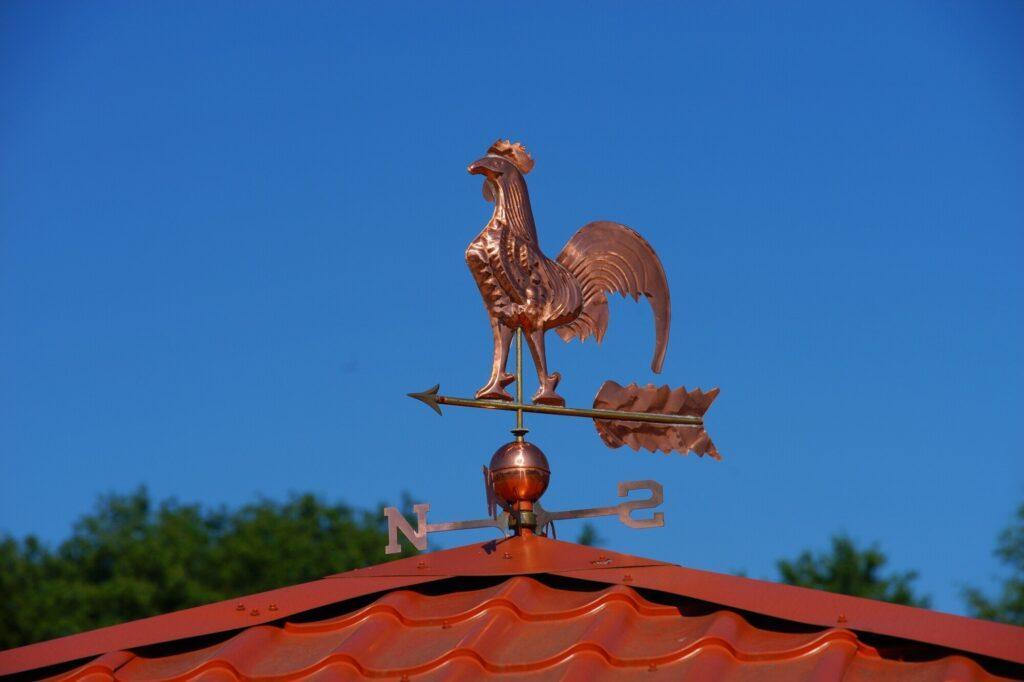
Image source: https://pixabay.com/photos/roof-house-weather-vane-copper-3422658/
Why Do Petroleum Membranes Fail Your Buildings?
Commercial building envelopes encounter brutal environmental stresses every season. Ultraviolet radiation breaks down the molecular bonds in synthetic rubbers and modified bitumens, which leaves them brittle and prone to hairline fractures. When summer heat spikes cause rapid expansion, seams separate and let hidden moisture seep into underlying insulation layers.
You end up paying for continuous leak investigations and emergency patches long before the building reaches maturity. Replacing those short-lived membranes generates toxic construction debris that cannot undergo standard recycling processes. Choosing assemblies with predictable, long service lives keeps your capital intact and stops premature degradation from disrupting daily building operations.
Precision Detailing and Protective Envelope Integration
When you design complex roof profiles, precision sheet metal fabrication keeps water from breaching vulnerable structural transitions. Beyond primary roof planes, specifying precision-fabricated dormer flashings and custom copper accents lets high-wear transitional joints build a natural, protective barrier against moisture without relying on synthetic caulks.
These fabricated elements divert driven rain safely away from wall sheathing while maintaining clean visual lines. You secure dependable envelope protection that easily outlasts common rubber membranes.
Managing Seams and Structural Movement
Thermal expansion can compromise rigid building elements if your detailing fails to accommodate seasonal temperature swings. Research from HomeAdvisor indicates that standing seam systems represent the most prevalent panel style because their raised, interlocking ribs withstand extreme storm cycles and severe thermal shifts. Concealed expansion clips allow panels to glide smoothly as ambient temperatures swing between winter freezes and summer heat waves.
How Do You Achieve True Life-Cycle Value?
Initial material expenses represent only a fraction of what an exterior envelope costs over its complete operating lifespan. While conventional coverings look economical on initial bid sheets, they demand comprehensive replacements every 15 years, multiplying labor, disposal, and procurement fees across six decades.
When you select heavy-gauge metal panels, you build on an assembly engineered to last 100 years or longer. You eliminate four or five entire tear-off cycles, saving your clients hundreds of thousands of dollars in recurring contractor mobilization and staging charges. The upfront investment pays for itself as maintenance requirements drop to simple annual perimeter checks.
What Protects the Metal Surface Without Chemical Sealants?
Unlike coated steels that rely on factory paints, copper defends itself against corrosion through natural atmospheric chemistry. When exposed to rain and ambient air, the metal surface develops a dense, bonded patina layer composed of stable copper carbonates and sulfates.
The natural transformation protects the underlying metal from moisture, airborne pollutants, and salt spray with no need for recurring synthetic coatings. If falling branches or windborne gravel scratch the exterior, atmospheric exposure regenerates the oxide layer across the gouge, which heals the protective skin automatically.
Can Recyclable Metals Advance Your Circular Building Goals?
Green building frameworks like LEED award meaningful points to projects that curb life-cycle carbon emissions and divert waste from landfills. Conventional synthetic roofing and composite wall panels almost always end up in regional dumps because mixed petroleum components resist mechanical separation.
Design analysts at Inspire Design observe that copper retains 100% recyclability without losing structural integrity or material purity through repeated melting cycles. Specifying closed-loop metals helps you meet strict sustainability standards through actionable design choices:
- Specify high scrap content: Select sheet suppliers who certify high percentages of post-consumer metal in their mill stock to slash virgin extraction impacts.
- Eliminate toxic sealers: Avoid recurring volatile organic compound off-gassing by depending on natural patina growth rather than synthetic chemical barriers.
- Design for deconstruction: Fasten assemblies with mechanical standing seams so future crews can dismantle panels cleanly without destroying scrap value.
How Do You Prevent Wind-Driven Water Intrusion?
Severe storm fronts generate immense uplift pressures that rip synthetic membranes right off roof decks. High-velocity winds create low-pressure vortices along eaves, parapets, and ridges, pulling loose seams upward and letting driving rain flood internal wall cavities.
Architectural metal assemblies lock panels together with mechanical double-lock standing seams. Fabricators bend the metal edges twice, interlocking adjacent sheets into a continuous, watertight skin that laughs at hurricane-force gusts. Your team knows that heavy wind gusts cannot breach the underlying deck.
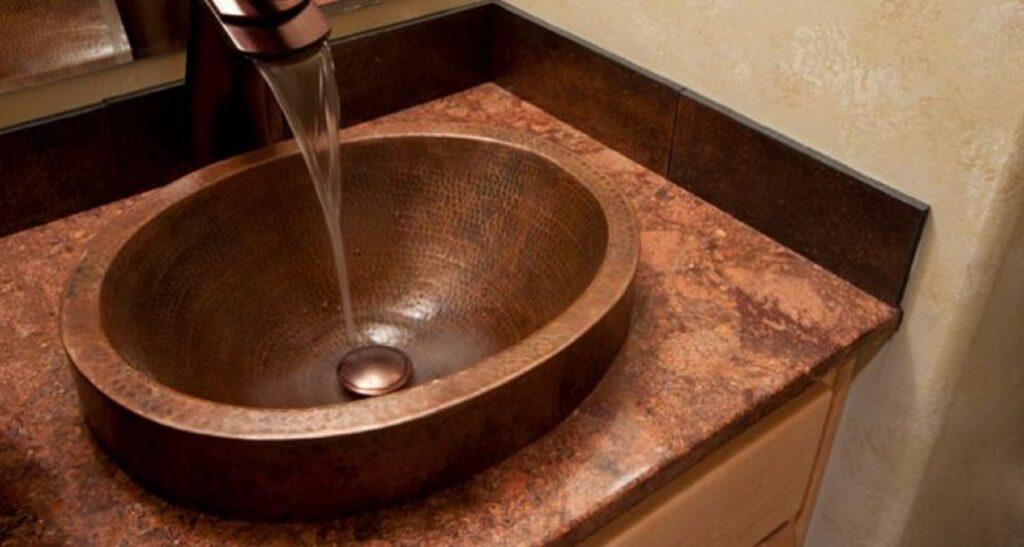
Image source: https://pixabay.com/photos/sink-copper-tap-water-plumbing-334347/
Long-term architectural resilience relies on circular, maintenance-free materials that eliminate repetitive tear-offs and hazardous disposal. When you design buildings around durable, self-healing assemblies, you protect both the structural envelope and the natural environment. Your clients gain dependable durability, lower lifetime ownership costs, and structures that age gracefully across successive generations.