Something interesting is happening in the commercial auto insurance world. Fleet managers are swapping diesel trucks for electric vehicles, sustainability officers are celebrating lower emissions numbers, and insurers are quietly scrambling to figure out what any of it means for their risk models. It’s a lot to keep up with, honestly.
For a long time, commercial auto insurance was pretty predictable. You had a truck, you had a driver, you had a history of claims. Underwriters knew how to price that. But electrification is rewriting those rules faster than most carriers expected. If you’re working with a provider like 5 Star Insurance, you’re probably already hearing questions about how EV-specific coverage differs from traditional fleet policies. And those questions matter, because the answers are still being written.
Wait, Isn’t This Just About Batteries?
You might think the shift to electric fleets is mostly a mechanical story. Fewer moving parts, cleaner exhaust, quieter engines. And sure, that’s part of it. But from an insurance standpoint, EVs introduce a whole new category of risk that traditional actuarial tables weren’t built for.
Take repair costs. A conventional commercial vehicle with a fender bender gets sent to a local shop. Parts are widely available, labor is familiar, and turnaround is fast. An electric fleet vehicle? That fender bender might involve sensors, software modules, or battery casing components that only a certified EV technician can touch. Suddenly, a $2,000 repair estimate turns into a $7,000 job with a two-week wait for parts. Insurers are seeing this play out in real claims data right now.
Battery replacement is the big one, though. Lithium-ion battery packs on commercial EVs can cost anywhere from $15,000 to over $30,000, depending on the vehicle. That changes total loss thresholds dramatically. A vehicle that might have been repaired under a traditional policy becomes a total loss simply because the battery replacement cost tips the math. Underwriters weren’t pricing for that.
The Telematics Connection Nobody Talks About Enough
Here’s the thing about electric fleets: they generate data constantly. Charge cycles, regenerative braking patterns, route efficiency, driver behavior, battery temperature, mileage per charge. All of it is tracked, all of it is transmittable, and all of it is relevant to risk assessment.
Telematics has existed in commercial fleets for years, but EVs take that relationship to a different level. Traditional telematics could tell you how fast a driver was going or whether they braked hard. EV telematics can tell you whether a battery is being stressed by rapid charging habits, whether range anxiety is causing erratic routing decisions, or whether a vehicle is being operated in conditions that accelerate battery degradation.
For insurers, this is genuinely exciting. You know what? It changes the whole pricing model. Instead of relying on historical averages, underwriters can price individual risk based on real, continuous data from the actual vehicle. A fleet with disciplined charging habits and smooth drivers should, in theory, pay less than one with aggressive usage patterns. That’s the direction commercial auto underwriting is heading.
Some carriers are already experimenting with usage-based insurance (UBI) products specifically designed for electric commercial fleets. Companies like Samsara and Motive have telematics platforms that feed directly into fleet management systems, and the next logical step is connecting that data pipeline to insurance pricing engines. It’s not fully mainstream yet, but it’s coming.
What About the Charging Infrastructure Risk?
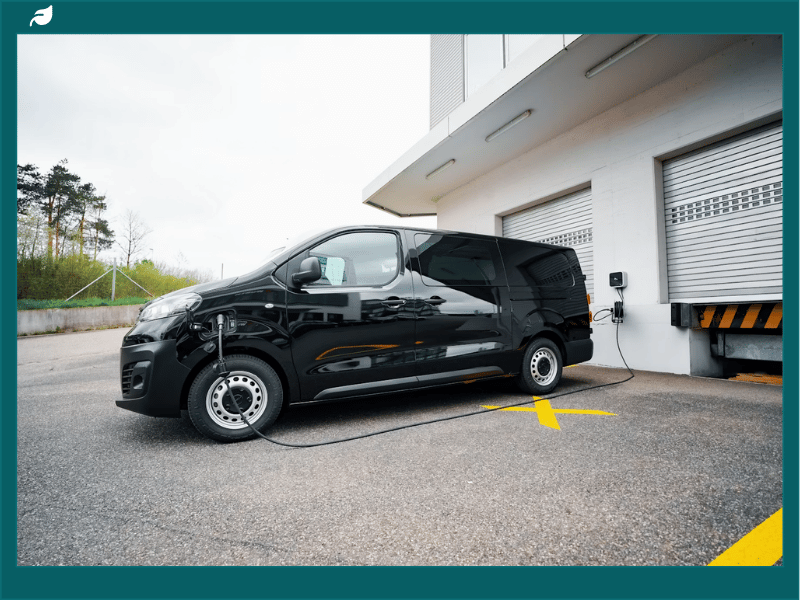
This one surprises people. Fleet electrification doesn’t just change the vehicle risk, it changes the premises risk too. When a company installs a commercial charging depot at a warehouse or distribution center, that infrastructure introduces its own liability questions.
Electrical fires at charging stations are a real concern, especially when you’re talking about fast-charging hardware drawing significant power loads. There have been documented cases of thermal runaway events during charging, particularly with vehicles that had pre-existing battery issues. Insurers now have to consider whether property coverage for commercial facilities needs to be updated when EV charging infrastructure goes in.
Some fleet operators are discovering that their existing commercial property policies have gaps around high-voltage electrical equipment. It’s a coverage blind spot that’s becoming more common as electrification scales up. Underwriters who specialize in commercial accounts are starting to ask fleet operators specific questions about charging setup during the renewal process. That wasn’t part of the conversation five years ago.
Green Credentials Actually Affect Premiums Now
This part might surprise you a little. Some insurers are beginning to factor sustainability credentials into commercial auto pricing, not just as a marketing angle, but as a genuine risk signal.
The logic goes something like this: companies that have made serious investments in fleet electrification tend to be better-managed overall. They’ve done the infrastructure planning, they’ve trained their drivers, they’ve adopted telematics. Those behaviors correlate with lower claim frequency. It’s not a perfect correlation, but it’s real enough that some underwriters are treating ESG commitments as a soft underwriting signal.
There’s also a regulatory angle. Fleets operating in states with aggressive clean vehicle mandates, like California or New York, face different compliance pressures than those in less regulated markets. Insurers in those markets are paying attention to how quickly fleet operators are adapting, because companies that fall behind on compliance tend to make rushed decisions, and rushed decisions lead to claims.
So What Should Fleet Managers Actually Do?
Honestly, the most important thing right now is documentation. If you’re electrifying your fleet, keep detailed records of charging infrastructure, battery condition monitoring protocols, and driver training programs. That documentation becomes your negotiating tool with underwriters.
Second, ask your broker specifically about EV endorsements. Many standard commercial auto policies were written before EVs were common, and the language around battery damage, charging liability, and software-related losses can be vague or missing entirely. You want those gaps closed before a claim happens.
Third, embrace telematics actively, not just as a compliance checkbox. The fleets that will get the best insurance pricing in five years are the ones building clean data histories now. Think of it like a credit score for your fleet. The earlier you start, the better your profile looks when it counts.
Fleet electrification is genuinely good news for emissions, for operating costs, and eventually for insurance pricing. But right now, we’re in a transitional period where the risk models are catching up to reality. Underwriters are learning, carriers are experimenting, and fleet managers are figuring it out as they go. That’s actually okay. That’s how industries evolve.
The smartest players are the ones treating this moment as an opportunity rather than a headache.