Nothing else tastes like matcha. Not green tea, not herbal tea, not any powder you’ve stirred into hot water on a bleary Tuesday morning. It hits you with something grassy and rich and almost savory, and then it lingers in the best possible way. According to a peer-reviewed analysis of matcha quality components, the ratio of tea polyphenols to amino acids in most matcha samples falls below 10, and this lower ratio is directly associated with a fresh, mellow taste, helping explain why high-quality matcha feels so much smoother than other teas. If you’ve been curious but haven’t taken the plunge, or you’ve tasted it once and couldn’t quite name what was happening on your tongue, this is your guide.
Understanding the Unique Taste of Matcha
Most teas ask very little of you. You steep a bag, you drink, you move on. Matcha tea is different. It pulls you in, asks you to slow down, and rewards you with a flavor that genuinely shifts as you pay attention to it.
The first thing you notice is color. A good bowl of matcha is almost shockingly green, the kind of green that makes you feel like you’re drinking something alive. That color is not a coincidence. It’s the direct result of how the leaves are grown and processed, and it’s directly tied to what you taste.
The same compounds that turn the leaves that deep, vivid shade are the ones responsible for the umami richness and the grassy depth that define the matcha experience.
So when people ask what does matcha taste like, the honest answer is: complex. There’s a grassy, vegetal quality up front, a wave of savory umami in the middle, a whisper of sweetness underneath, and a clean, smooth finish that hangs around after the cup is empty. It’s not like any other tea you’ve had. And once you understand why it tastes that way, you’ll appreciate every sip more.
What Does Matcha Taste Like? Exploring Its Distinctive Flavors
Here’s the thing about matcha taste: it’s layered in a way that catches people off guard. You expect something simple, maybe just a green tea flavor cranked up a notch. What you actually get is far more interesting.
Start with the vegetal quality. It’s real, it’s prominent, and it tastes like fresh spinach or just-cut grass, green and clean and slightly earthy. That note comes from chlorophyll, which builds up in the leaves during the shading process before harvest. The more shade, the greener the leaf, and the more pronounced that fresh, vegetal character becomes.
Then comes the umami. This is the layer that surprises most first-time drinkers. It’s savory, almost brothy, the kind of depth you associate with good miso soup or a well-made stock. In matcha, that umami comes from L-theanine and other amino acids that accumulate when the leaves are kept out of direct sunlight.
Ceremonial-grade matcha has the most of it, because it’s made from the youngest, most carefully shaded leaves at the top of the plant.
Underneath all of that, there’s sweetness. Not the sugary kind, nothing is added. It’s a natural, creamy sweetness that softens the edges of the bitterness and rounds out the whole experience. The bitterness itself is mild in high-quality matcha, more of a counterpoint than a dominant note, the way a good dark chocolate is bitter without being unpleasant.
What makes matcha tea genuinely different from steeped teas is that you consume the whole leaf in powdered form. Every compound is there, nothing is left in the bag. That’s why the mouthfeel is creamier, why the flavor is fuller, and why the finish lasts longer than almost any other tea you’ll drink.
Ceremonial-grade matcha shows this flavor profile at its finest. The sweetness is more pronounced, the umami deeper, the bitterness softer and better integrated. Culinary-grade matcha is bolder and more bitter, which is why it holds its own in baked goods and lattes where other flavors compete for attention. Neither is wrong.
They’re just built for different purposes.
And yes, how you prepare it matters enormously. The temperature of your water, the quality of your whisk technique, the ratio of powder to liquid: all of it shapes what ends up on your palate. Get those right, and matcha transforms from an interesting drink into something you genuinely look forward to every morning.
To really understand what matcha can do, consider exploring it across different formats. Try it whisked traditionally with nothing but hot water. Then try a matcha latte with oat milk. Then try it in a cookie or a bowl of ice cream.
Each context reveals a different facet of the same flavor.
The Role of Umami in Matcha’s Flavor Profile
Umami is the fifth taste. Not sweet, not salty, not sour, not bitter. Savory, deep, mouth-coating, the sensation that makes you want another bite before you’ve finished the first. And in matcha tea, umami is the backbone of everything.
The amino acid responsible is L-theanine. It builds up in the leaves during the shading period, when the plants are covered for several weeks before harvest and forced to produce more of these compounds as they reach for limited light. The result is a tea that tastes richer and more complex than anything grown under full sun, with a savory warmth that sets it apart from every other type of green tea on the market.
That umami doesn’t clash with the other flavors. It balances them. The slight bitterness that’s natural to any tea made from Camellia sinensis is softened by L-theanine’s presence. The grassy, vegetal notes become richer rather than sharp.
The natural sweetness underneath has something to play against, which makes it more noticeable. It all works together.
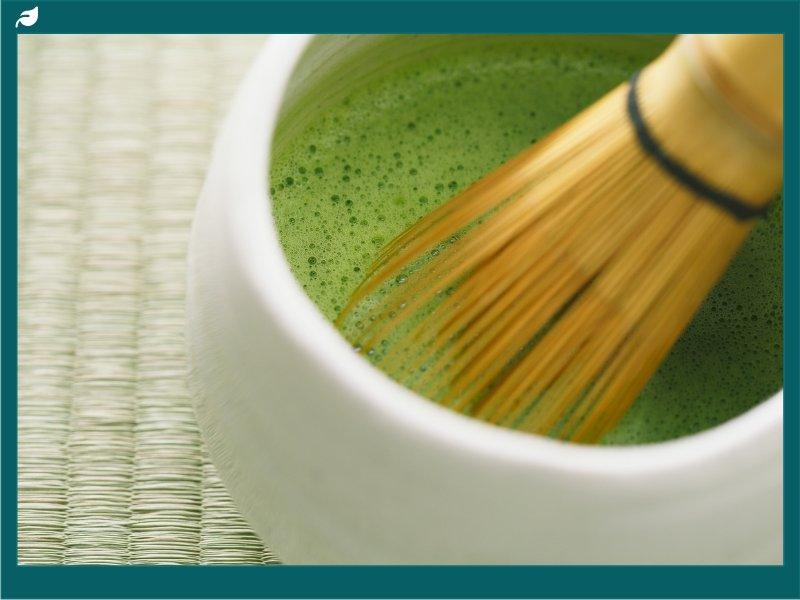
In ceremonial-grade matcha, the umami is most pronounced. This is the grade used in traditional Japanese tea ceremonies, made from the youngest spring leaves with the highest amino acid content. Drink it and you understand immediately why this particular flavor became the center of an entire cultural ritual. It’s not just pleasant.
It’s deeply satisfying in a way that’s hard to explain until you’ve experienced it.
L-theanine also does something interesting in the body. It promotes calm alertness, the kind of focused, relaxed energy that’s the opposite of a caffeine spike and crash. So the umami isn’t just a flavor experience. It’s connected to a whole physical state that matcha drinkers describe as clear-headed and calm.
The flavor and the feeling reinforce each other, which is part of why a bowl of good matcha feels like more than just a drink.
Flavor Notes in Matcha Tea
Matcha’s flavor profile is not a single note. It’s a chord, and every element plays a role. The vegetal freshness, the savory umami, the gentle sweetness, the background bitterness: they don’t fight each other. They create something more interesting than any one of them could manage alone.
Understanding how those notes interact, and what affects their balance, is what separates a forgettable cup from one you want to make every day. Grade, growing region, water temperature, preparation method: all of it shapes what ends up in your cup. Let’s get into the specifics.
Sweetness and Bitterness: Finding Balance
Here’s something that surprises a lot of people: matcha’s sweetness is real, and it’s not added. It comes directly from the plant, the result of shading practices that boost amino acid production and dial back the tannins that would otherwise make the tea sharp and astringent.
In a well-made cup of matcha, sweetness and bitterness sit side by side in a way that’s genuinely satisfying. The bitterness is there, you can taste it, but it’s soft. It gives the cup structure and keeps the sweetness from feeling flat. And the sweetness, in turn, keeps the bitterness from feeling harsh.
Neither dominates. Both make the other more interesting.
Ceremonial-grade matcha shows this balance most clearly. The youngest leaves, picked in early spring from plants that have been carefully shaded, produce a powder where the sweetness is creamy and forward and the bitterness is barely a suggestion. It’s the grade you want if you’re drinking matcha straight, whisked with nothing but hot water. That purity of flavor is the whole point.
Culinary-grade matcha tilts the balance. The bitterness is more prominent, which is actually useful when you’re baking. That assertive edge can cut through sugar and fat in a way that ceremonial-grade can’t, holding the matcha flavor against a dense chocolate cake or a scoop of vanilla ice cream. It’s not inferior.
It’s different, built for a different job.
The sweetness in matcha is never syrupy or obvious. Think of it more like the natural sweetness of fresh peas or young corn, a gentle, slightly grassy sweetness that emerges from behind the other flavors and rounds out the whole experience. That’s what people often mean when they describe matcha as “smooth.” It’s not texture alone. It’s the way the sweetness takes the edge off everything else.
Organic matcha, sourced from farms that avoid synthetic inputs, tends to produce a cleaner version of this sweetness. There’s nothing muddying the signal. What you taste is exactly what the plant produced, which is a case for spending a little more on quality if you really want to understand what matcha can be.
The Influence of Green and Vegetal Notes
The vegetal quality of matcha is the first thing most people notice and the thing that divides opinion most sharply. Some people love it immediately. Others find it unexpected. Either way, it’s the defining characteristic of matcha’s flavor, and it’s worth understanding where it comes from.
Shade growing is the key. In the weeks before harvest, matcha plants are covered to block direct sunlight. The plants respond by producing more chlorophyll as they reach for available light, and that chlorophyll is what drives the vivid green color and the grassy, vegetal taste. More shade means more chlorophyll, means deeper color and more pronounced green notes.
The taste is similar to fresh spinach, or young peas, or the smell of a lawn just after it’s been cut. Clean, bright, plant-forward. It’s not a cooked vegetable note. It’s raw and alive.
In a high-quality ceremonial matcha, those notes are present but harmonized, sitting alongside the umami and sweetness in a way that feels balanced rather than overwhelming.
When you whisk matcha properly, those vegetal notes open up. The friction and aeration of the bamboo whisk breaks the powder into full suspension, releasing the full spectrum of flavor. A hand-stirred matcha, or one made with water that’s too hot, tends to taste flatter and more one-dimensionally bitter, because the preparation hasn’t allowed those green notes to develop the way they should. A 2024 metabolomics study found that agitation measurably changes matcha’s taste profile by altering its phenolic compounds, confirming that preparation technique shifts flavor chemistry itself, not just texture.
Organic matcha amplifies this quality. When the plant is grown without synthetic fertilizers or pesticides, the leaf develops its natural flavor compounds without interference. What you get is a cleaner, more vivid expression of those green, grassy notes. And combined with the umami and sweetness that matcha is known for, those notes create a drinking experience that genuinely earns the word fresh in a way that most beverages simply don’t.
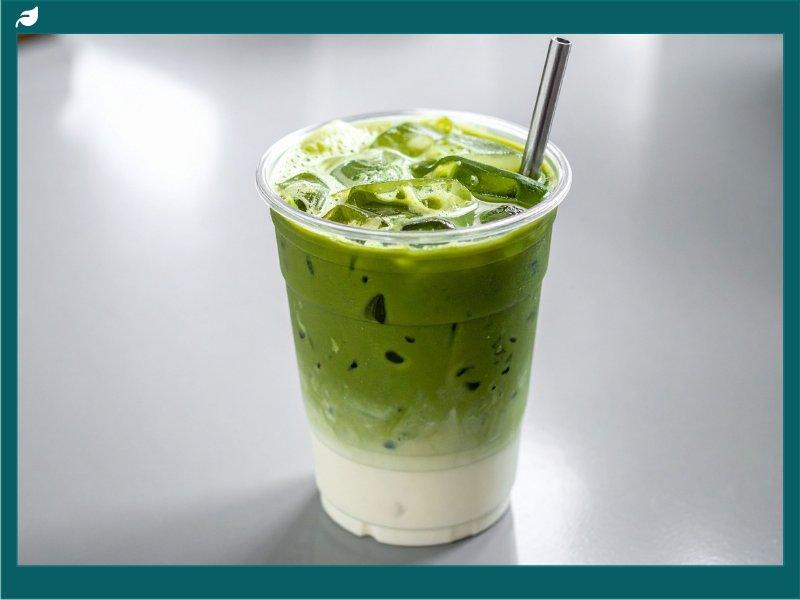
The vegetal notes also interact with other ingredients in interesting ways. In a matcha latte, the milk softens them, pushing the creamier, sweeter aspects of the tea forward and making the whole thing feel more approachable. In baked goods, they add a subtle earthiness that works especially well with white chocolate or mild vanilla. And straight in a bowl, with nothing else, those green notes remind you that you’re drinking something made from a plant, in the best possible way.
Cultural Appreciation of Matcha
It’s genuinely true that slowing down and paying attention to what’s in your cup reveals flavors you’d miss if you were just gulping something hot while scrolling your phone.
The Rituals That Enhance Matcha’s Flavor Experience
The Japanese tea ceremony built an entire culture around a single premise: the act of making tea deserves your full attention. Everything about the ritual is designed to slow you down and focus your senses, from the deliberate way the powder is sifted and measured, to the precise motion of the whisk, to the way the bowl is turned in your hands before you drink.
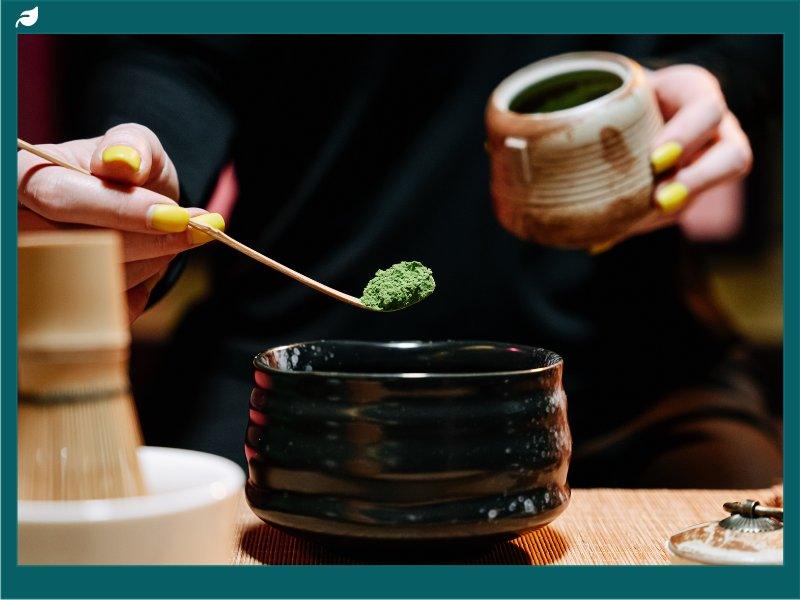
Sifting the matcha powder before preparation removes clumps that would otherwise sit on the surface of the water and dissolve unevenly. A smooth, clump-free powder whisks into a fully integrated suspension, which means every sip delivers the same balance of flavors rather than some sips tasting mostly like hot water and others hitting you with a concentrated pocket of bitterness.
The whisk itself matters. A traditional bamboo chasen, with its dozens of fine tines, creates a level of aeration that a regular whisk or a spoon simply can’t replicate. That froth is not decorative. It changes the texture, making the tea feel lighter on the tongue, and it subtly affects how you perceive the flavor, allowing the sweetness and umami to come forward rather than being buried under a heavier mouthfeel.
Water temperature matters too. The ideal range is about 160°F to 175°F. Water that’s boiling will scorch the powder, burning off the delicate amino acids and leaving behind a flat, harsh bitterness. Water at the right temperature treats the matcha gently, allowing those nuanced green and savory notes to emerge naturally.
The setting plays a role as well. A quiet room, a bowl that feels right in your hands, a moment of genuine stillness before you drink: these things don’t add flavor chemically, but they shift your attention in a way that makes you receptive to what’s there. You notice the aroma before the bowl reaches your lips. You feel the warmth.
You register the slight resistance of the froth. By the time you actually taste the matcha, you’re already engaged in a way that casual sipping never achieves.
The Significance of Matcha in Japanese Tea Ceremonies
Chanoyu, the Japanese tea ceremony, is built around ceremonial-grade matcha in a way that would seem excessive if the tea weren’t genuinely extraordinary. But spend time in a proper ceremony and it becomes clear: the quality of the matcha and the quality of the ritual are inseparable. One requires the other.
The ceremony follows the Zen aesthetic principle of wabi-sabi, which finds beauty in simplicity, transience, and imperfection. The tearoom is deliberately spare. The utensils are beautiful but not ornate. The host’s movements are precise and unhurried, each gesture practiced to the point of becoming natural.
None of this is accidental. The intention is to strip away distraction and create a space where both host and guest can be fully present with the experience.
Within that space, the matcha taste becomes the center of everything. Because you’re not distracted, because you’re holding a warm bowl and there’s nothing else competing for your attention, you taste more. The grassy notes, the umami depth, the gentle sweetness, the way the bitterness fades and leaves a clean, smooth aftertaste: all of it is available to you in a way it simply isn’t when you drink matcha out of a paper cup on a subway platform.
The ceremony also communicates values through its structure. Harmony, respect, purity, tranquility: these are the four principles that guide Chanoyu, and they’re expressed through every decision the host makes, from the seasonal flowers in the alcove to the angle at which the bowl is presented. The matcha in the bowl isn’t separate from those values. It embodies them.
A bowl of properly made ceremonial-grade matcha, in that context, is an act of care given form.
For people encountering matcha through this tradition, the flavor carries that weight. It’s why so many people describe their first proper bowl of ceremonial matcha as an experience rather than just a drink. The taste and the context have been inseparable for centuries, and that combination is genuinely hard to forget.
Comparing Matcha to Traditional Green Tea
Put matcha next to a cup of standard green tea and the differences are immediately obvious. The color is deeper, the aroma is richer, and the flavor is more complex by a significant margin. But they share the same plant, Camellia sinensis, so where does the difference come from?
Differences in Flavor and Preparation
Traditional green teas are steeped. You add leaves or a bag to hot water, wait, remove the leaves, and drink. The water extracts some of the flavor compounds, but the leaf itself never enters your body. What you taste is a fraction of what’s in the plant.
Matcha works completely differently. The whole leaf is ground into a fine powder, and that powder is whisked directly into water and consumed entirely. Every compound in the leaf, every amino acid, every trace of chlorophyll, every flavor molecule, ends up in your cup. That’s why the flavor is so much fuller and more complex than steeped green tea, and why the mouthfeel is creamier and more substantial.
The flavor contrast is stark. Steeped green teas tend toward light, floral, and slightly astringent, with a clean, refreshing quality that works well in a large mug over a long afternoon. The tannins that cause astringency are present in both, but in matcha their effect is moderated by the high L-theanine content, which softens them and brings the savory, sweet notes forward instead.
Preparation also requires a different skill set. Steeped green tea is forgiving. You manage temperature and steep time, and within a reasonable range you’ll get a decent result. Matcha demands more.

The sifting, the ratio, the water temperature, the whisk technique: each variable affects the outcome noticeably. Get it right and the flavors are extraordinary. Get it wrong and you’ll end up with a lumpy, bitter cup that gives matcha an unfair reputation.
This is why the bamboo whisk is so central to matcha preparation. A proper chasen, used with the right wrist motion in a W or M pattern, creates the even suspension and the fine froth that define a well-made bowl. No other tool does this as effectively. A regular whisk aerates differently, a spoon barely aerates at all, and an electric frother can work in a pinch but doesn’t produce the same texture.
The ritual of the whisk is not affectation. It’s genuinely functional.
How Harvesting Techniques Affect Flavor Notes
The flavor divide between matcha and other green teas starts long before preparation. It starts in the field, weeks before the leaves are picked.
Matcha plants are shaded, traditionally under straw covers or dark cloth, for anywhere from two to four weeks before harvest. This triggers a stress response in the plant that drives up chlorophyll and amino acid production, particularly L-theanine. The leaves become darker, richer in nutrients, and significantly higher in the compounds that create matcha’s distinctive umami flavor and smooth character.
Standard green teas grow in full sun. Without the shading stress, the plant develops differently. More catechins, the compounds associated with astringency and bitterness, accumulate. The flavor is brighter and more straightforwardly vegetal, but it lacks the savory depth that L-theanine provides.
Neither profile is inferior. They’re just different expressions of the same plant under different conditions.
Harvest timing matters too. The first flush of spring leaves, picked in early April in Japan’s prime growing regions like Uji, Nishio, and Kagoshima, produces the most delicate and flavorful matcha. Those young leaves have spent the winter accumulating nutrients and haven’t yet developed the toughness and bitterness that come with later harvests. Ceremonial-grade matcha comes from this first flush.
Processing after harvest further shapes the flavor. For matcha, the leaves are steamed immediately after picking to stop oxidation, then dried and deveined before being stone-ground into powder. The steaming preserves the green, fresh qualities of the leaf, which is why matcha tastes so clean and vegetal compared to teas that are pan-fired or roasted. Pan-firing, common in Chinese green tea production, develops nutty, toasty notes that are appealing in their own right but completely absent from properly made matcha.
Stone grinding is slow, deliberate, and temperature-controlled, because heat generated by too-fast grinding would degrade the delicate flavor compounds. A single stone mill produces only about 30 to 40 grams of matcha powder per hour. That pace is part of why quality matcha costs what it does, and why the flavor of properly stone-ground matcha has a fineness and complexity that machine-ground versions can’t match.
Enhancing the Taste of Matcha at Home
You don’t need a tearoom or a bamboo whisk collection to make great matcha at home. You need a few basic things done right, and a willingness to experiment with what works for your palate.
Can You Make Matcha Taste Sweeter? Tips and Tricks
If matcha’s natural bitterness is putting you off, the good news is that there are real, effective ways to bring the sweetness forward without losing what makes the tea interesting. And most of them start not with what you add, but with what you buy and how you prepare it.
Grade matters first. Ceremonial-grade matcha is naturally sweeter and less bitter than culinary-grade, because it comes from younger leaves with higher amino acid content and lower tannin levels. If you’ve only ever tried culinary matcha and found it too sharp, try a ceremonial-grade powder on its own before you decide matcha isn’t for you. It’s a genuinely different experience.
Freshness matters too. Matcha powder oxidizes over time, and as it does, it loses the amino acids that create sweetness and umami. It becomes more one-dimensionally bitter. Buy matcha in small quantities, store it in an airtight container in the refrigerator, and use it within a few weeks of opening.
Organic matcha, typically processed with more care and sold in smaller batches, often arrives fresher.
Water temperature is where most home preparation goes wrong. Boiling water, poured directly onto matcha powder, scalds it. The amino acids that create sweetness and umami break down, and you’re left with a harsh, flat cup. Heat your water to around 160°F to 175°F.
If you don’t have a thermometer, boil the water and let it sit for two to three minutes before using it. That small adjustment changes the flavor noticeably.
Sifting the powder before whisking removes clumps and ensures an even suspension. It takes thirty seconds and makes a real difference to texture and flavor distribution. Then whisk using a proper bamboo chasen, with quick W or M motions, until you get a fine, even froth across the surface. That froth softens the perception of bitterness and lets the sweeter, creamier notes come through.
If you want to add sweetness, keep it subtle. A small amount of honey, agave, or maple syrup blends well with matcha’s flavor without overwhelming it. Add it to the water before the powder, so it distributes evenly. Coconut sugar works particularly well because its mild caramel note complements the vegetal and umami qualities of the tea rather than fighting them.
A matcha latte is the most accessible entry point for people who find straight matcha too intense. Whisking the powder with a small amount of hot water first, then adding steamed milk of your choice, creates a drink where the milk’s natural sweetness and fat content soften the matcha’s edge and produce something genuinely delicious. Oat milk is particularly good here because its own mild sweetness harmonizes with matcha’s flavor in a way that dairy and many nut milks don’t quite achieve. A good matcha latte shouldn’t need sugar at all if the matcha is fresh and the milk is right.
Pairing matcha with vanilla, white chocolate, or coconut also brings the sweetness forward. These ingredients share flavor compounds with matcha that create a sense of harmony rather than contrast. A matcha latte with a splash of vanilla extract, a matcha cookie with white chocolate chips, a matcha smoothie with coconut milk and a frozen banana: all of these are practical ways to explore the sweeter side of matcha without simply drowning it in sugar.
The goal is always to enhance what’s already there, not to cover it up. Matcha’s natural sweetness is real and it’s worth finding. With the right grade, the right temperature, the right preparation, and the right companion ingredients, you can bring that sweetness front and center and end up with a cup that satisfies in a way no amount of sugar alone could achieve.
Matcha rewards attention. The more carefully you prepare it, the more you pay attention to what’s in the cup, the more complex and satisfying it becomes. Start with good powder, treat it well, and give yourself permission to experiment. The flavor is there waiting for you, grassy and savory and sweet all at once, unlike anything else in the world of tea.