Warehouses have traditionally grown outward, adding floor space as stock levels rise. Each extension brings new building materials, more land, and a larger area to heat and light. Vertical storage systems offer a different route, and businesses that adopt warehouse storage solutions from suppliers such as Randex often find the environmental benefits extend well beyond the space saved. Energy use, waste, and long-term expansion plans can all change once stock starts moving upward instead of outward.
A Smaller Footprint Means Less to Build and Run
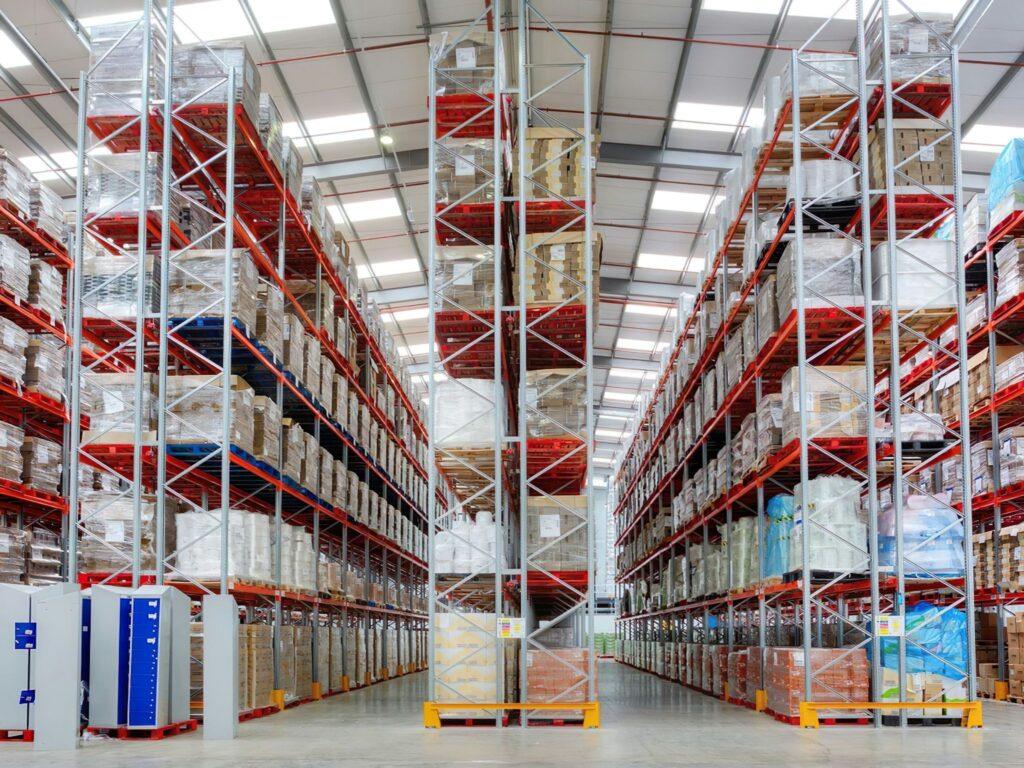
Vertical storage can hold the same volume of stock in a much smaller floor area than traditional shelving. For many sites, that can delay or remove the need for a new building or extension. Construction carries a heavy carbon cost through concrete, steel, and groundwork, so avoiding it is one of the most direct ways a warehouse can cut its environmental impact. A smaller footprint also means less space to heat, cool, and light year-round.
Lighting and Heating Only Where People Work
With a goods-to-person system, staff stay at a fixed picking station while the machine brings items to them. Long aisles no longer need full lighting and comfortable working temperatures throughout a shift. Energy can be focused on the small zone where people actually operate, which can lower running costs and emissions compared with a conventional layout of the same capacity.
Making Better Use of Every Cubic Metre
Fixed shelving is usually spaced around the tallest item it might hold, leaving empty gaps above smaller products. Systems with automatic height detection measure each tray and store it with minimal wasted space. Higher storage density gets more value from the energy and materials already invested in the building, rather than relying on new space to absorb growth.
Accurate Tracking Cuts Waste
When vertical storage is linked to warehouse management software, managers can see the exact location and quantity of every item in real time. That visibility helps prevent over-ordering, lost stock, and products passing their use-by dates before anyone notices. In sectors such as food, pharmaceuticals, and healthcare, fewer write-offs mean less waste sent to landfill and fewer resources spent replacing items.
Protecting Stock and People
Enclosed trays shield items from dust, knocks, and accidental damage during handling, so fewer products end up discarded before they reach a customer. Delivering items at a comfortable working height also reduces reaching, lifting, and ladder use. Safer working conditions form part of the social side of sustainability, supporting healthier staff and a more stable workforce over time.
Growing Without Spreading Out
Businesses that adopt vertical storage often rethink how they plan for growth. Building upward inside an existing site becomes a realistic alternative to buying land or constructing new units. This approach suits organisations with carbon reduction targets, since it limits the materials, land use, and energy demand that usually come with expansion. Proper staff training at the start helps teams get the most from the new workflow and avoids inefficient habits from the old layout. carrying over
Efficiency and Environmental Gains Working Together
No single benefit tells the whole story. Recovered floor space, focused energy use, reduced waste, and safer handling all build on each other over time. A warehouse that stores more in less space and loses less stock to damage or expiry costs less to run and is lighter on the environment. For businesses reviewing their operations against sustainability goals, vertical storage is worth assessing as part of a wider plan to grow responsibly.