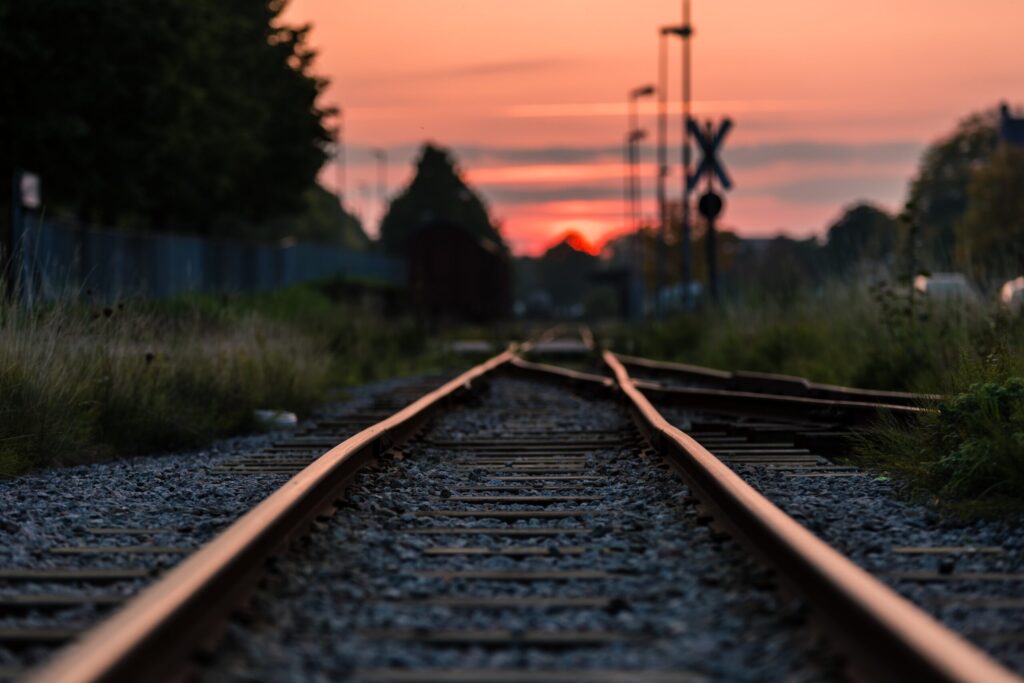
108 ancient woodlands could be lost or irreversibly impacted due to the railway expansion.
On the 24th of January, a day of action against the HS2 high-speed railway occurred, with people taking part in protests, banner drops, and a “twitter storm” using the hashtags: #HS2CostingTheEarth, #HS2Rebellion, and #StopHS2.
The protests were organised to take place on the same day the bill to expand the rail line beyond Crewe was presented to parliament. The day of action included pre-planned events along the line, focusing on Manchester, Birmingham, and Piccadilly Gardens.
The HS2 website states that the high-speed railway will become the ‘backbone of Britain’s transport network,’ and the bill extending the line from Crewe to Manchester has been described as a “landmark moment” in improving the country’s rail connections by transport secretary Grant Shapps.
However, environmental activists raise several concerns saying the bill will sanction immense and irreversible destruction to the environment, wanting to make the public aware of HS2’s continuing ecocide, corruption and financial mismanagement.
A report published by the Wildlife Trust on the 15th of January revealed the significant effects the HS2 will have on nature, including many protected sites.
The report states that 108 ancient woodlands will be lost or impacted by the HS2 and endangered wildlife such as white-clawed crayfish, willow tits, lizard orchids and dingy skippers may become locally extinct.
Although HS2 Ltd. has proposed mitigation and compensation, Nicki Williams, director of campaigns and policy for the Wildlife Trust says they are “inadequate and the small measures that they have suggested are inappropriate – amateurish suggestions of paltry measures in the wrong places. Nature and our climate are already in big trouble, and we must not make a dire situation even worse – that’s why we are calling on the Prime Minister to stop and rethink the entire development.”
The HS2 website claims that more than 20,000 jobs are being supported by the project and once completed the line will increase rail capacity, able to carry 300,000 passengers a day, so there will be more space on other lines, relieving overcrowding and increasing reliability for commuters.
The Department of Transport also claim that the HS2 will be more efficient, shortening travel times from Manchester to London by nearly an hour, and between Manchester and Brimingham by 45 minutes.
HS2 Rebellion, an alliance of groups and individuals dedicated to campaigning against the HS2 project argue that thousands of jobs will be displaced, and hundreds of people forced to relocate.
Alan, a spokesperson for the organisation Stop HS2 North, said: “People are being faced with a choice between being able to heat or eat. Meanwhile, HS2 has a blank cheque to commit terrible and irreversible ecocide. This money ought to be used to properly fund our NHS, improve local transport links, help ordinary people with the rising cost of living, and to resolve our energy crisis.”
Moreover, while it has been argued that HS2 will increase capacity, the mayor of Greater Manchester, Andy Burnham, has a different opinion, stating that: “Building HS2 on the surface at Manchester Piccadilly means the new station will be at full capacity from day one. It means the new train services from Liverpool and Leeds having to reverse out. And it also means forever losing prime development land and the economic opportunity that goes with it.”
Although Mr Burnham has said he still supports bring HS2 to the region it is the “wrong plan.” Instead he calls for a new underground station in Manchester.
However, HS2 assert that they are building a cleaner and greener future, stating that all the trains will be powered by zero-carbon energy from the beginning of their operation, aid HS2 Ltd. to become net zero by 2035.
It is also theorised that due to the HS2 creating more space for freight train thousands of lorries will be taken off the road each year, with one extra freight train removing up to 76 lorries from the roads, reducing traffic and emissions, and improving air quality.
Construction of phase one of the HS2 railway formally began in September 2020 and is expected to be finished between 2029-2033, with a total of three phases to be completed.