The environmental footprint of commercial properties is shaped by the small decisions owners and managers make long before anyone notices a problem.
How often are outdoor spaces watered? What happens to cleaning waste? Are lights and equipment left running in empty areas? These everyday choices might seem insignificant, but they can considerably increase a property’s environmental impact.
According to the UNEP’s 2025 Global Status Report, buildings account for 32% of global energy consumption and 34% of global CO₂ emissions.
As Inger Andersen, Executive Director of UNEP, aptly puts it, “Buildings can either lock in climate risks or deliver safer, healthier, and more affordable living conditions.” This highlights why sustainability must become a part of everyday property management.
As a commercial property manager, you cannot achieve sustainability through recycling programmes alone. You must look beyond basic green initiatives and focus on improving everyday operations.
In this article, we will share practical ways that can help you make sustainability a part of everyday commercial property management.
Implement Effective Water Conservation Practises
Water is one of the most important resources used in commercial buildings, yet it often gets wasted through everyday activities. Leaking pipes, inefficient plumbing fixtures, and excessive irrigation can further increase water consumption.
The best approach is to understand where water goes before deciding which improvements deserve immediate attention. Smart water meters can help monitor consumption across individual buildings, tenant spaces, irrigation systems, and shared facilities. Here are more measures worth implementing:
Install Water-Efficient Fixtures
Older plumbing fixtures can use considerably more water than modern alternatives designed for efficient performance. Replacing outdated equipment is, therefore, a practical starting point for improving everyday building operations.
Consider making these updates:
- Install low-flow aerators on frequently used washbasin taps.
- Replace outdated toilets with efficient dual-flush models wherever practical.
- Install sensor-operated taps to prevent unnecessary running water.
Make Rainwater Harvesting Part of Your Maintenance Strategy
Rainwater harvesting offers commercial properties another practical opportunity to reduce dependence on conventional water supplies.
To harvest rainwater, you can install commercial-grade rooftop catchment systems to capture maximum runoff without pooling or overflow.
Fit all system inlets, overflow pipes, and air vents with secure, fine-mesh insect screens. Pair these with robust pre-filters, coarse sediment traps, or sand-charcoal filtration units to clear particulate matter before water enters the cistern.
Depending on local regulations and available infrastructure, collected rainwater can support several activities:
- Irrigating landscaped areas and maintaining outdoor greenery.
- Washing outdoor pathways and suitable maintenance equipment.
- Supporting approved non-potable water applications like toilet flushing.
Maintain Outdoor Spaces Without Harming Biodiversity
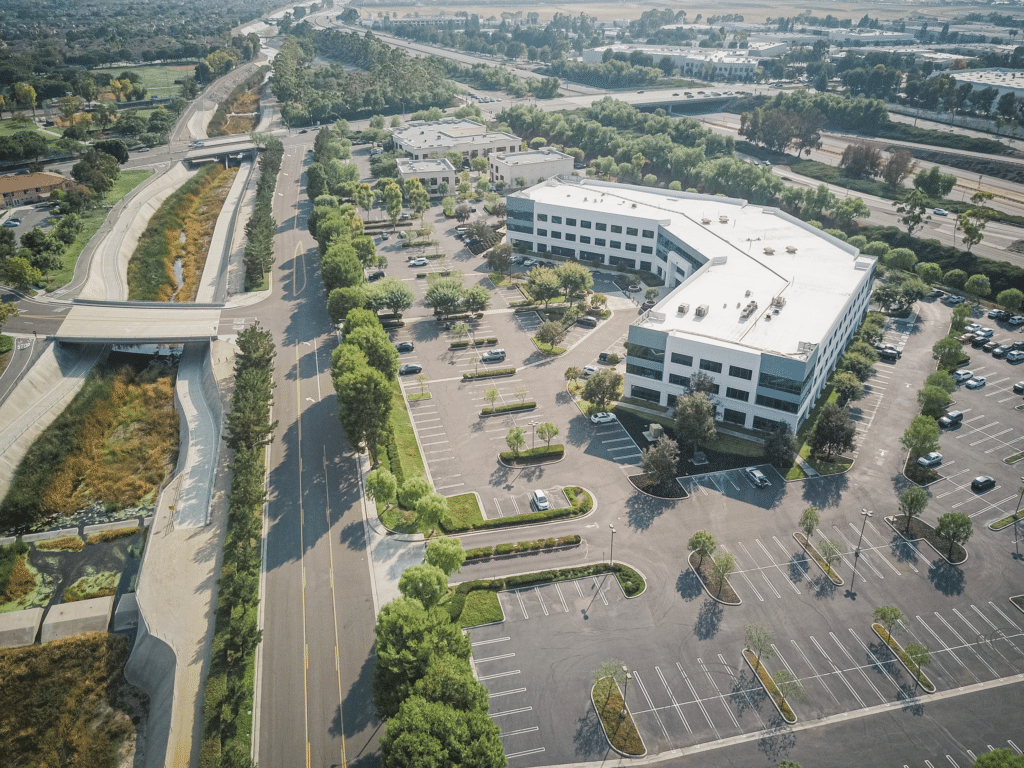
Outdoor spaces do more than improve a property’s appearance. They provide food, shelter, and movement routes for birds, pollinators, insects, and other wildlife.
However, excessive landscaping can disturb beneficial insects and reduce plant diversity. Sustainable property management keeps these spaces attractive while protecting local wildlife.
Choose Plants that Support Local Biodiversity
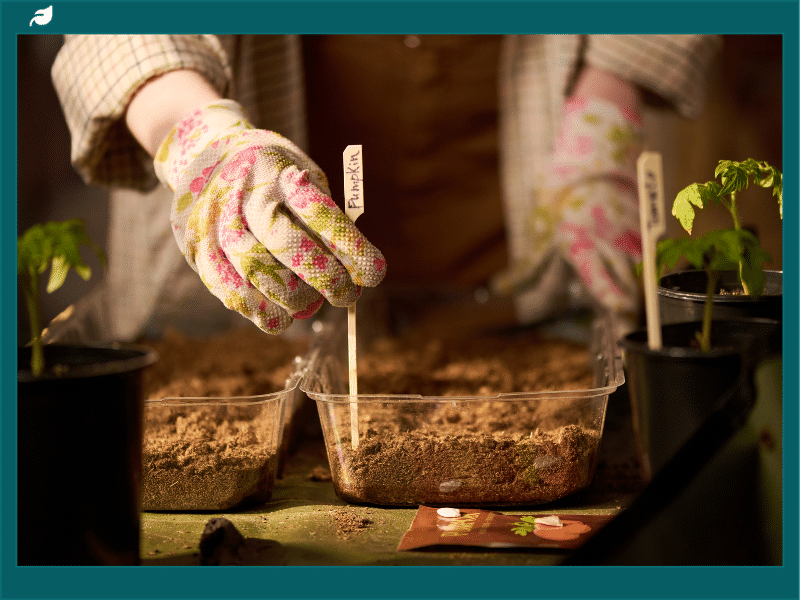
Choose native plants instead of using only decorative varieties. They provide food and shelter for local birds and insects.
Work with your landscaping team to incorporate:
- Locally suitable trees that offer shade, nesting spaces, and shelter for birds.
- Native shrubs that create habitats for small birds and beneficial insects.
These choices can make commercial outdoor spaces more wildlife-friendly while supporting healthier local ecosystems.
Create pollinator gardens using a variety of flowering plants, so insects can have a constant food source throughout the warmer months. A study published in Urban Ecosystems in 2025 found that a 10-percentage-point increase in native plant proportions boosted pollinator richness by approximately 20%.
Manage Pests Without Harming Beneficial Wildlife
Good outdoor maintenance reduces pest attractants without disrupting surrounding ecosystems. Ensure all bins are covered, food spills are cleaned up quickly, and there is no stagnant water.
Avoid unnecessary pesticide use to protect beneficial wildlife, such as bees, butterflies, ladybirds, and birds, and preserve their natural habitats.
If the properties you manage border wooded areas, you might experience recurring pest problems involving mice, yellow jackets, and other pests.
Finding the right pest control company can help you address these problems without relying on unnecessary chemical treatments. Look for professionals who can provide targeted treatments and integrated pest management without harming beneficial wildlife.
Patriot Pest Control explains that professional pest management involves inspecting the property, developing a customised treatment plan, and monitoring ongoing activity.
Adopt Green Cleaning Practises
Cleaning keeps shared spaces healthy and welcoming. However, cleaning products, packaging, water use, and disposal methods play a big role in a property’s overall green footprint.
Traditional cleaning products can emit volatile organic compounds (VOCs). When choosing eco-friendly products, ensure you check the ingredients.
A study published in The Royal Society of Chemistry looked at 23 cleaning products. It found that green cleaners had an average of 25.0mg/L of monoterpene compared to 8.6mg/L in regular cleaners.
Ask the cleaning team to choose products that offer:
- Clear ingredient lists and safety information.
- Trusted environmental certifications from independent organisations.
- Fewer harmful chemicals and unnecessary fragrances.
- Concentrated formulas that reduce packaging and transportation.
Reduce Cleaning Waste and Water Consumption
Make sure the cleaning staff uses microfibre cloths, washable mops, and refillable sprays. This will reduce the number of single-use products and packaging.
Train staff to follow recommended dilution instructions rather than using excess cleaning solutions. Additionally, encourage staff to turn off taps when water isn’t needed.
FAQs
How can commercial property managers measure their sustainability progress?
Track monthly utility bills and compare consumption over time. Monitor waste generation and recycling rates across different departments. Conduct regular property audits to identify operational improvements. Finally, review results quarterly and update sustainability targets accordingly.
How can tenants be made to contribute to sustainable commercial property management?
Encourage tenants to report leaks, equipment faults, and maintenance concerns. Provide clearly labelled waste disposal and recycling facilities. Share simple guidelines for responsible use of shared spaces. Organise occasional sustainability activities to encourage tenant participation.
What is the role of preventive maintenance in sustainable property management?
Schedule regular inspections to identify equipment problems before breakdowns occur. Clean and service HVAC systems to maintain efficient performance. Repair damaged seals, insulation, and building components promptly. Also, maintain detailed service records to identify recurring maintenance issues.
Key Statistics
| Research area | Key finding |
| Building energy consumption | Buildings account for 32% of global energy consumption. |
| Building carbon emissions | Buildings contribute 34% of global CO₂ emissions. |
| Native plants and pollinators | A 10-percentage-point increase in native plants was associated with approximately 20% greater pollinator diversity. |
| Cleaning product emissions | Green cleaners contained an average of 25.0 mg/L of monoterpenes, compared with 8.6 mg/L in regular cleaners. |
You do not need to transform commercial properties overnight to make everyday operations more sustainable.
Start by fixing leaks, protecting outdoor habitats, choosing better cleaning methods, and making waste separation easier. Then measure your progress, involve tenants, and keep improving the routines that shape your property’s environmental footprint.
Over time, you can reduce the environmental impact of the commercial properties you manage while making them more efficient.