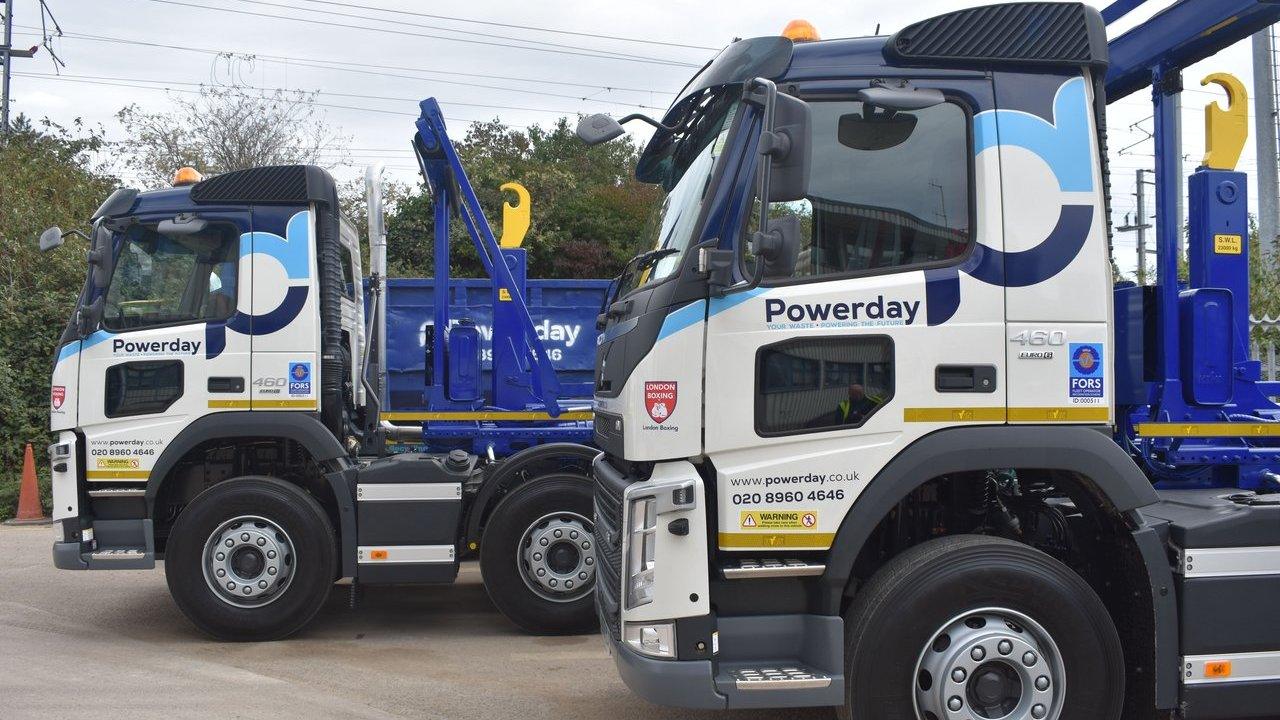
Powerday has launched a free Carbon Reporting Tool that gives construction contractors live transport-emissions data for each waste movement from their sites. Built on Microsoft Power BI, the dashboard calculates emissions using operational records and vehicle-routing information, with results available by site, project or individual collection. The launch responds to increasing scrutiny of supply-chain emissions in construction, where waste and logistics data can be difficult to quantify consistently. Powerday’s tool is designed to help clients incorporate current waste-transport figures into carbon and ESG reporting, while supporting evidence for BREEAM credits linked to waste and logistics emissions.
Measuring Waste Transport Emissions
The new portal combines two operational data sources. Powerday’s Weighsoft management portal records collections, load types and tonnages handled across its sites, while the Google Maps API calculates mileage and routing for each vehicle movement. Together, the data produces carbon figures for individual journeys, taking account of haulage distance, vehicle type and load weight.
The scope includes skips, wait-and-load jobs and roll-on-roll-off collections. As collections are completed, the dashboard updates figures so project teams can view current totals rather than waiting for periodic reporting cycles. That makes the tool a practical addition for contractors managing multiple sites and seeking clearer visibility of the emissions associated with their waste logistics.
The reporting requirement is becoming more pressing across the built environment. The UK Green Building Council states that the UK built environment accounts for more than a third of the country’s carbon footprint. The UK Green Building Council reports that emissions have fallen by 14% since 2018, around half the pace required to meet the sector’s 2027 target.
Reporting By Project And Site
Clients can access the Carbon Reporting portal through Powerday’s website and review emissions by site, project or individual vehicle movement. The dashboard is intended to fit within existing carbon accounting and ESG processes, allowing users to draw on live data as they compile project-level documentation.
Planning conditions and client contracts increasingly request evidence of carbon performance across supply chains, including the movement and management of waste. In that setting, a record of vehicle journeys, loads and associated transport emissions can give contractors a more detailed basis for tender submissions and ongoing project reporting.
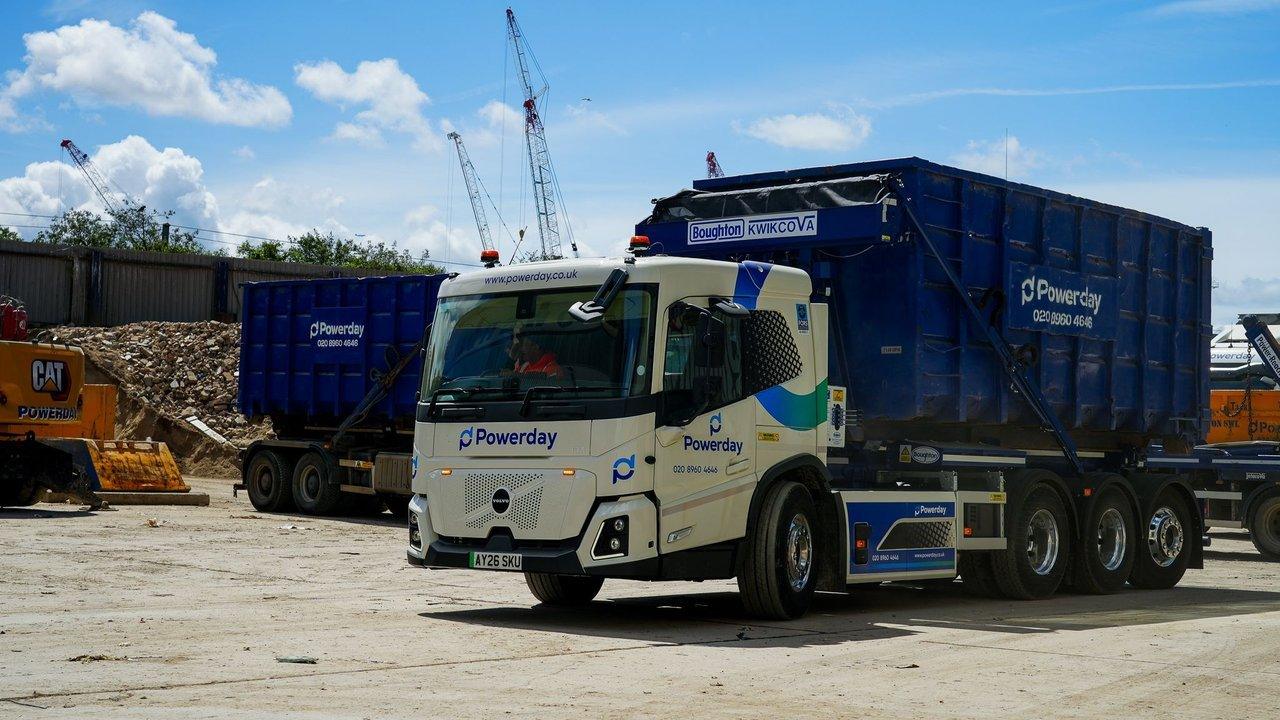
John O’Dwyer, Associate Director – Environmental Sustainability at Powerday, said:
“Waste and logistics have long been one of the hardest parts of a construction project to put a real carbon number on. We also understand that contractors are under more pressure than ever to account for emissions across the whole supply chain, and transport forms an important part of that picture.”
Built Through Client Testing
Powerday’s sustainability department and digital innovation working group began developing the platform in October 2025. The team refined the underlying carbon calculations through internal testing before creating a working prototype for a client beta phase.
Participating clients tested the dashboard against their own reporting needs and identified potential improvements before the wider rollout. This process helped shape a service focused on the data contractors need for active schemes, rather than a retrospective assessment of waste movements after a project has closed.
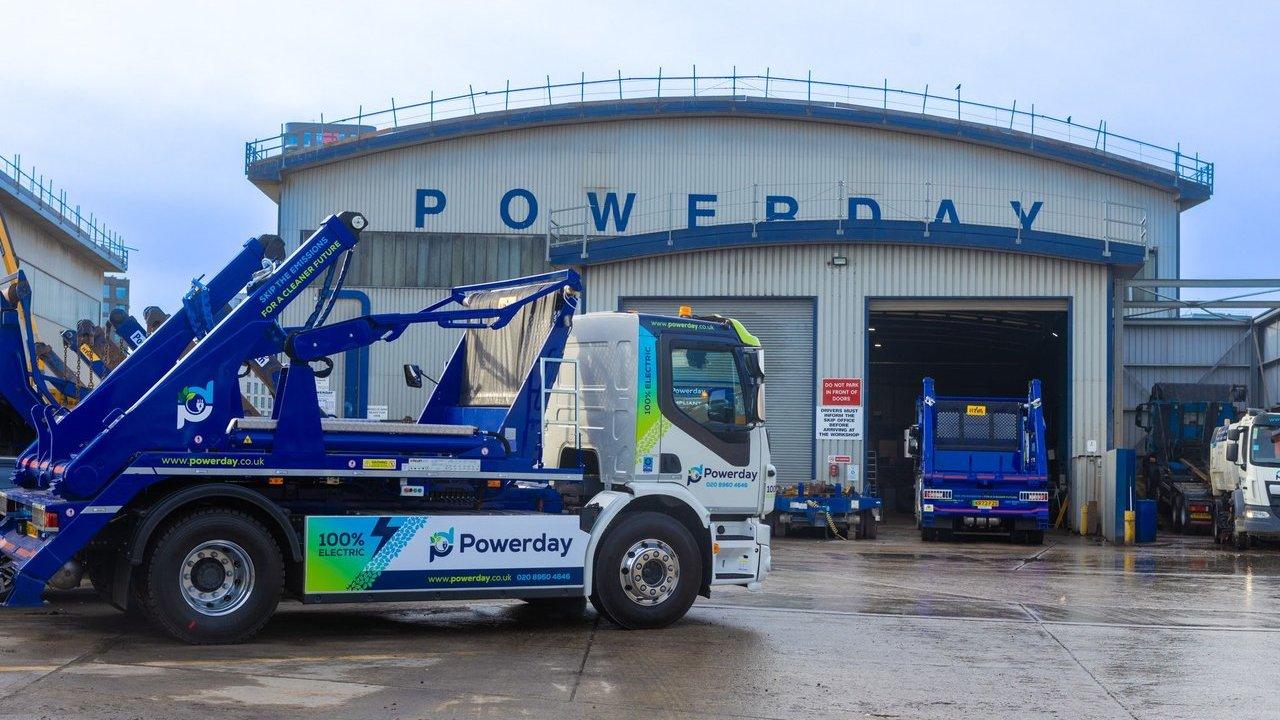
John O’Dwyer, Associate Director – Environmental Sustainability at Powerday, shared:
“The tool gives clients a calculated figure for their own project, based on the loads we’ve collected and the routes our vehicles have driven. It plugs straight into the reporting they’re already doing, so it’s not extra work for anyone which is an extra bonus. We look forward to developing the tool further with our clients in mind.”
Extending The Carbon Picture
Alongside the launch, Powerday hosted a webinar explaining how the tool operates, how its calculations are constructed and how clients can use the dashboard. The recording remains available to clients on request.
The next development phase will explore coverage of downstream Scope 3 emissions generated after waste leaves Powerday for processing. If delivered, that extension would give construction clients a broader view of the emissions associated with waste handling beyond collection and transport, strengthening the company’s offering for supply-chain carbon reporting.
By making per-journey information available in a live dashboard, Powerday has created a useful reporting resource for construction businesses seeking more consistent data on a frequently overlooked part of project emissions. The tool brings operational waste records and logistics information into a format that can support day-to-day reporting requirements as well as longer-term emissions management.