Hybrid vehicles have moved from a niche preference to the mainstream. More of them are entering the salvage pool every year — and for the right buyer, they represent a strong opportunity in terms of sustainability. Lower brake wear, high retail demand, and well-documented powertrains make them attractive rebuilds that extend vehicle lifecycle and reduce the need for new resource extraction.
The complexity is real, but it’s manageable. Toyota’s Hybrid Synergy Drive, found across Camry, Prius, and Lexus models, is one of the best-documented hybrid systems on the market. Parts are available. Diagnostic tools are widely compatible. This accessibility makes repairing these vehicles a viable way to promote circular economy principles in the automotive industry.
In this post, we are going to break down what makes hybrid salvage a sustainable choice in 2026, how to assess the high-voltage battery on bank-repossessed cars for sale without specialized factory equipment, and what to watch for in the cooling systems that insurers and sellers frequently overlook.
The “Toyota/Lexus” Factor in Salvage Resale
If there is a king of the hybrid salvage world, it is undoubtedly the Toyota/Lexus ecosystem. Models like the 2024–2026 Camry Hybrid, Prius, and Lexus RX 500h are highly sought after by rebuilders because of their “modular” reliability. Toyota’s Hybrid Synergy Drive is one of the most documented and understood systems in the world, meaning that parts availability for these bank-repossessed cars is excellent.
For a rebuilder, the predictability of these platforms reduces the “complexity risk.” While a niche European plug-in hybrid might require proprietary factory software for even minor sensor resets, a Toyota hybrid can often be diagnosed with high-quality, aftermarket OBD-II tools. In 2026, as interest rates remain a factor in consumer decisions, a rebuilt Lexus hybrid stands out as a high-value asset that combines luxury status with low operating costs, ensuring a fast turnover once it hits the retail market.
Efficiency vs. Complexity: Managing the High-Voltage Battery
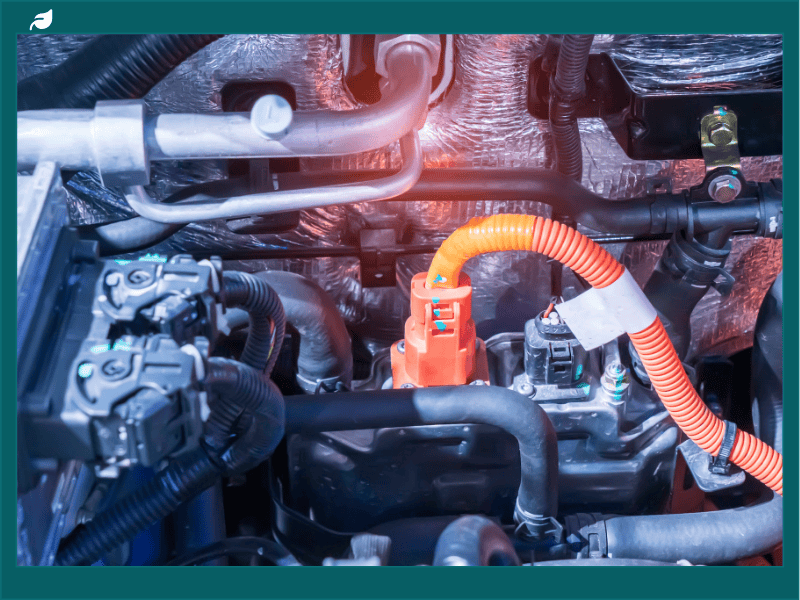
The primary “complexity” in any hybrid project is the high-voltage (HV) battery pack. In 2026, insurance companies are quicker to total a hybrid if there is any suspicion of battery casing intrusion. This is often an economic decision rather than a mechanical one. The cost of a new HV battery from a dealer can exceed $5,000, which, when added to collision repairs, easily triggers a salvage title.
However, the 2026 rebuilder has an advantage that insurers do not: the cell-balancing market. Most hybrid battery “failures” are actually the result of individual cells losing capacity while the rest of the pack remains healthy. By using specialized battery diagnostic tools, you can identify and replace specific modules for a fraction of the cost of a new pack. When searching for bank-repossessed cars for sale, you often find units where the battery has simply “settled” due to lack of use. A professional reconditioning cycle can often restore these batteries to 95% health, turning a “non-runner” into a peak-efficiency vehicle with minimal capital investment.
The Regenerative Braking Advantage
One often-overlooked benefit of rebuilding hybrids is reduced wear on traditional mechanical systems. Because hybrids use regenerative braking — the electric motor slows the car while recharging the battery — the hydraulic brake pads and rotors often last twice as long as those on gas-powered cars. When we evaluate bank auction cars, we frequently find that even high-mileage hybrids have brake components that look nearly new.
This reduces the “hidden” maintenance costs of your restoration. While a standard salvage sedan might need a full brake overhaul after sitting in a yard, a hybrid unit is more likely to have its friction brakes in good standing. For the rebuilder, this means more of your budget can be allocated to high-visibility areas, like bodywork or interior technology, rather than routine wear items.
Cooling Systems: The Invisible Critical Path
While hybrids are mechanically robust, they are thermally sensitive. A hybrid vehicle actually has two separate cooling systems: one for the internal combustion engine and one for the inverter and battery electronics. In a front-end collision, even if the engine radiator is intact, the smaller inverter cooler might be cracked.
We recommend that every hybrid salvage project begin with a pressure test of the inverter cooling loop. If the inverter — the “brain” that converts DC battery power to AC motor power — overheats, it can “brick” the entire vehicle. In 2026, many bank auction cars for sale are written off due to a simple leak in the secondary cooling lines that triggered a “limp mode” fault. By catching these issues early and ensuring the high-voltage electronics stay cool, you protect the most expensive components of your investment.
Navigating the 2026 Hybrid Resale Market
The retail buyer of 2026 is looking for “electrification without the infrastructure.” Many people want the benefits of an EV but live in apartments or areas without reliable DC fast charging. This makes the traditional hybrid (HEV) and the Plug-in Hybrid (PHEV) the “sweet spot” of the resale market.
A rebuilt 2025 hybrid sedan offers a compelling story: 50+ MPG, lower emissions, and no “range anxiety.” To maximize your return, we suggest including a “System Health Report” in your sales package. Documenting that the hybrid battery has been balanced and the inverter cooling system is pressurized gives the buyer the confidence they need to overlook the salvage title. In a market where fuel prices are volatile, a well-restored hybrid is often the first vehicle to leave the lot.
Conclusion
Rebuilding a hybrid vehicle is a strategic play on the current automotive transition. While such vehicles are more complex than traditional internal combustion cars, the rewards — in terms of fuel efficiency, reliability, and market demand — are significantly higher. By focusing on established platforms like those from Toyota and Lexus, and mastering the specialized cooling and battery requirements, you can navigate the “complexity” to find the “efficiency.”
The 2026 salvage market belongs to the technically curious. Whether you are performing a simple cell reconditioning or a full front-end restoration, the hybrid powertrain provides a high-ROI canvas for your skills. With the right diagnostic approach and professional logistical support, these high-voltage assets can become the most consistent and profitable segment of your rebuilding portfolio.