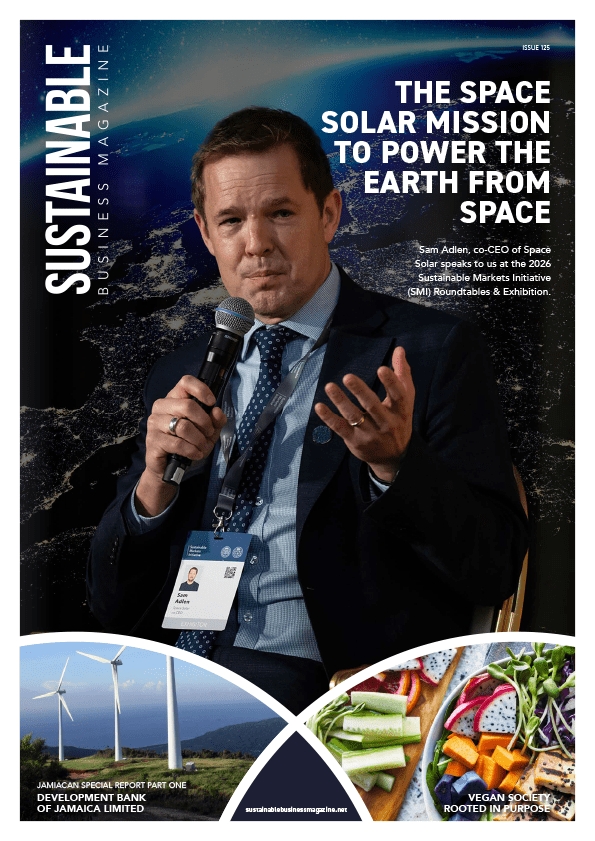
Sustainability has become a defining priority for manufacturers across every industry. Businesses are increasingly expected to reduce waste, lower carbon emissions, source raw materials responsibly, and create products that minimize environmental impact throughout their lifecycle. Consumers, investors, and regulators now evaluate companies not only on product quality but also on how responsibly those products are made.
Why Sustainable Manufacturing Matters
Manufacturing accounts for a significant share of global energy consumption and greenhouse gas emissions. It also relies heavily on raw materials, transportation networks, and packaging, all of which affect environmental performance.
A sustainable manufacturing model seeks to reduce these impacts by:
- Using responsibly sourced raw materials.
- Improving production efficiency.
- Reducing waste generation.
- Minimizing packaging.
- Lowering transportation emissions.
- Designing products with longer lifecycles.
Together, these practices help businesses conserve natural resources while strengthening operational resilience.
Local Production Reduces Environmental Impact
Producing goods closer to customers can significantly reduce transportation-related emissions while supporting regional economies.
Local manufacturing often enables businesses to maintain stronger oversight of supply chains, respond more quickly to customer demand, and reduce excessive inventory that may eventually become waste.
Supporting local suppliers also encourages shorter supply chains, creating environmental and economic benefits that extend beyond individual businesses.
Responsible Material Sourcing
Sustainable production begins with responsible sourcing.
Manufacturers increasingly select renewable, recycled, biodegradable, or certified materials that reduce dependence on finite natural resources. Ethical sourcing also considers biodiversity protection, responsible forestry, fair labor standards, and transparent supplier relationships.
Businesses that evaluate environmental performance throughout their supply chains are better positioned to meet growing stakeholder expectations while reducing operational risks.
Reducing Packaging Waste
Packaging has become one of the most visible sustainability challenges facing manufacturers.
Forward-thinking companies are reducing unnecessary packaging by using recycled paper, recyclable cardboard, compostable materials, and refillable product systems. Some businesses are redesigning packaging to minimize material use without compromising product protection.
These improvements reduce landfill waste while lowering transportation costs through lighter, more efficient packaging designs.
The Role of Small Craft Producers
Independent manufacturers often demonstrate that sustainability does not require large-scale industrial operations.
Many artisan businesses prioritize handmade production, small manufacturing batches, locally sourced materials, and lower-volume inventory management. These approaches reduce overproduction while encouraging careful resource management.
For example, businesses producing Scottish candles increasingly emphasize natural waxes, reusable containers, recyclable packaging, and locally inspired craftsmanship. While production methods differ between manufacturers, this growing focus on sustainable materials and responsible sourcing reflects wider environmental trends within the craft manufacturing sector.
Circular Economy Principles
The circular economy encourages businesses to keep products and materials in use for as long as possible.
Manufacturers increasingly support this approach by:
- Designing reusable packaging.
- Encouraging product refills.
- Recycling production waste.
- Repurposing surplus materials.
- Improving product durability.
Rather than treating waste as an unavoidable outcome, circular manufacturing views unused materials as valuable resources that can re-enter production.
Renewable Energy Supports Cleaner Manufacturing
Many businesses are reducing operational emissions by investing in renewable energy technologies.
Solar panels, wind power, energy-efficient equipment, LED lighting, and improved insulation all contribute to lower carbon emissions while reducing long-term operating costs.
Although renewable energy adoption varies by industry and company size, the transition demonstrates how environmental responsibility can align with commercial resilience.
Transparency Builds Consumer Confidence
Consumers increasingly expect businesses to explain how products are manufactured.
Environmental reporting, responsible sourcing certifications, lifecycle assessments, and supplier transparency help organizations demonstrate measurable sustainability progress rather than relying on marketing claims alone.
Transparent communication builds trust while encouraging continuous improvement throughout the manufacturing process.
Collaboration Accelerates Sustainability
Meaningful environmental progress depends on collaboration across supply chains.
Manufacturers, suppliers, logistics providers, retailers, policymakers, and consumers all contribute to improving sustainability outcomes.
Knowledge sharing, industry standards, and investment in greener technologies help accelerate the adoption of responsible manufacturing practices across multiple sectors.
Collective action enables businesses of every size to contribute toward broader environmental goals.
Conclusion
Sustainable manufacturing is transforming how products are designed, sourced, produced, and delivered. By reducing waste, improving resource efficiency, strengthening local supply chains, and embracing circular economy principles, businesses can create lasting environmental and economic value.
Whether operating on a global scale or as an independent craft producer, organizations that integrate sustainability into every stage of production are helping build a more resilient future. As expectations continue to evolve, responsible manufacturing will remain one of the most important foundations of sustainable business success.