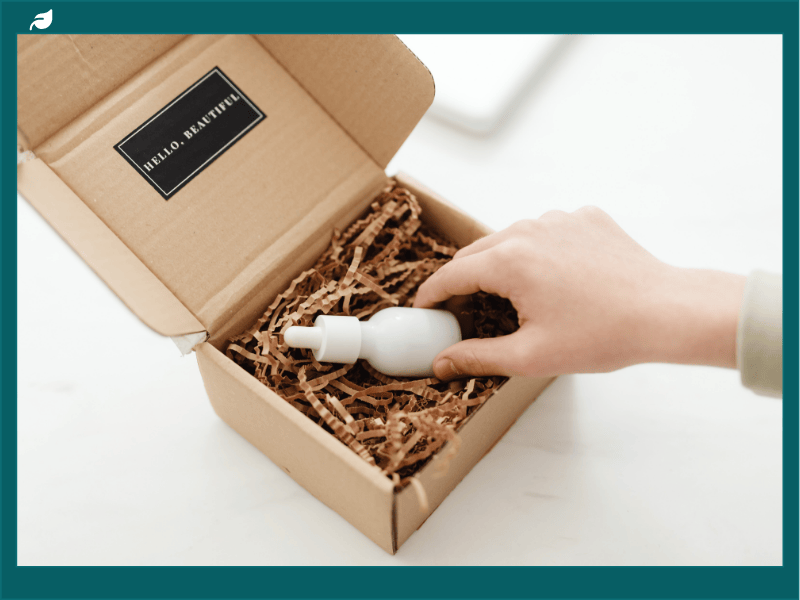
There’s a version of sustainable business thinking that gets a lot of attention: the big, structural stuff. Supply chain overhauls, carbon reporting, and materials sourcing. All of it matters. But the conversation tends to skip right past the smaller decisions that quietly add up, and packaging is one of the most overlooked of them.
For many small businesses, improving sustainability isn’t about large-scale changes but about reducing unnecessary production and material waste in everyday operations.
For small and mid-sized product businesses, packaging is often where branding gets treated as an afterthought. The box gets picked for its price. The label goes on because it has to. There’s rarely a considered strategy behind how the package looks, feels, or communicates the brand’s values. And when those businesses do want to update their look, the default assumption is that it means reprinting everything from scratch.
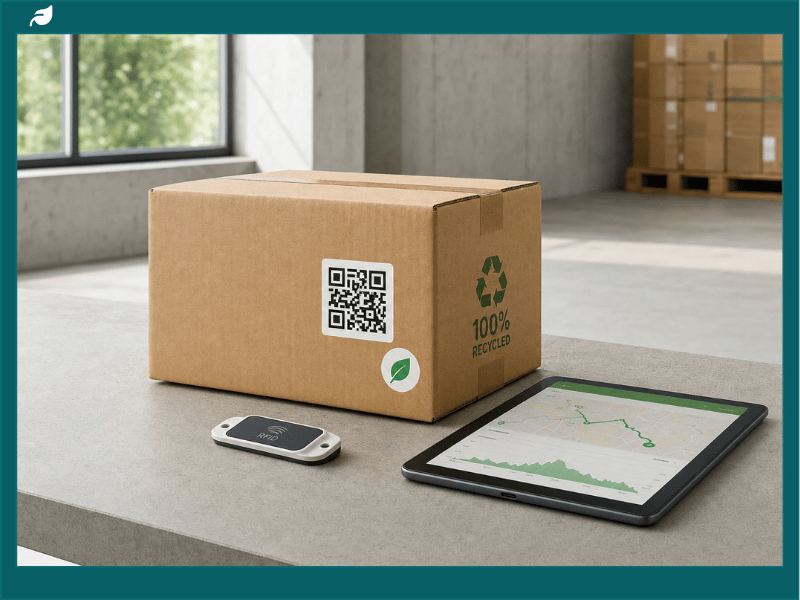
That assumption is worth questioning. Die-cut stickers for packaging and branding give businesses a practical alternative: a way to apply precise, custom-shaped branding to existing packaging without triggering a full reprint cycle. The stickers are cut to follow the exact outline of a logo or design rather than sitting inside a standard rectangle or circle, which means they read as intentional, not like an afterthought stuck on a plain box.
The Overproduction Problem in Packaging
One of the more underappreciated waste drivers in small business operations is packaging overproduction. A company places a large minimum order on printed boxes to bring the unit cost down, then pivots its product line, refreshes its branding, or launches a seasonal variant. Suddenly there’s a warehouse full of packaging that no longer reflects what the business actually sells.
The EPA’s sustainable packaging guidance highlights how reducing excess production, rather than recycling after the fact, is a more effective approach to sustainable packaging management. Applied to branding decisions, that principle points toward smaller, more adaptable packaging strategies over bulk print runs that lock a brand into one look for years.
Custom stickers fit that framework. They can be ordered in smaller quantities, updated without reprinting core packaging, and applied to a range of packaging formats. A business rebranding doesn’t have to throw out its box stock. It applies the new identity on top of what’s already there, which reduces waste and keeps costs down.
What “Consistent Branding” Actually Requires
There’s a version of brand consistency that gets oversimplified into “everything looks the same.” The more accurate version is: everything communicates the same values, clearly and credibly. Packaging is a big part of that. It’s often the first physical thing a customer touches, and it carries a lot of meaning about how seriously a brand takes its own presentation.
Shape matters more than most people expect. A die-cut sticker that follows the silhouette of a logo looks intentional in a way that the same logo printed inside a square does not. That precision signals that someone paid attention, which in a market where customers are increasingly scrutinizing the brands they buy from is not a trivial thing.
The FTC’s Green Guides for environmental marketing are worth understanding in this context too. As more businesses make sustainability claims on their packaging, the FTC’s guidance on what can and can’t be asserted without substantiation is increasingly relevant. A well-considered, honest brand presentation that doesn’t overpromise is both a legal and reputational asset.
Where Stickers Make the Most Sense in a Packaging Strategy
Not every application calls for a custom die-cut sticker. But there are a few situations where they do more work than most other options.
Product launches and limited runs are the obvious ones. Printing entirely new packaging for a seasonal product or a small-batch line rarely makes economic sense. A sticker applied to standard packaging brings the branding up to where it needs to be without the overhead of a full print run. The same goes for businesses that sell across multiple channels: a sticker can differentiate packaging for a farmers market table from what goes into an e-commerce mailer, without needing separate packaging inventory for each.
Bundle packaging is another area. When a business groups products together, the bundle usually looks like what it is: a bunch of individual products in a bag. A shaped sticker applied across the bundle or placed prominently on the primary product pulls the presentation together quickly and cheaply.
Longevity as a Sustainability Argument
Durable stickers also have a sustainability case that’s worth making plainly. A sticker that holds its quality for years means less frequent replacement than a paper label that degrades, peels, or fades. That translates to fewer reprints over the life of a product line. It’s not a headline argument, but it’s a real one for businesses that are thinking about the cumulative material impact of their packaging decisions.
The more interesting sustainability case for custom stickers, though, is the one about avoiding the reprinting cycle entirely. Packaging that can be updated through a sticker rather than a full redesign uses fewer materials, produces less waste, and costs less. For a small business operating with limited margins, those things are the same argument from different angles.
Sustainable packaging decisions don’t always look dramatic. Sometimes they look like they’re not reprinting a thousand boxes when fifty dollars of stickers will do the same job.