The Royal Society of Chemistry has awarded its Organic Chemistry Horizon Prize 2026 to the Fluorine Circularity Team, led by former Nagoya Institute of Technology professor Norio Shibata, for a room-temperature process that recovers fluorine from PFAS waste. The method uses rapidly spinning metal balls to break down materials commonly known as ‘forever chemicals’ in 10 minutes. It recovers around 95% of the fluorine contained in the compounds examined, including PTFE and PVDF. With potential uses across medicines, electronics and refrigeration, the work presents a promising circular route for a material usually considered only as a persistent pollution challenge.
Prize Recognises Circular Chemistry
The Organic Chemistry Horizon Prize recognises the work of an international research group spanning Japan and Spain. Alongside researchers and students in Japan, the Fluorine Circularity Team included collaborators such as Jorge Escorihuela, Senior Lecturer at the University of Valencia.
Its central proposition is that fluorine locked within PFAS-containing materials can be recovered as a feedstock for future chemical products. That distinction matters for industries seeking to reduce reliance on virgin resources while addressing waste streams that have historically been difficult to manage.
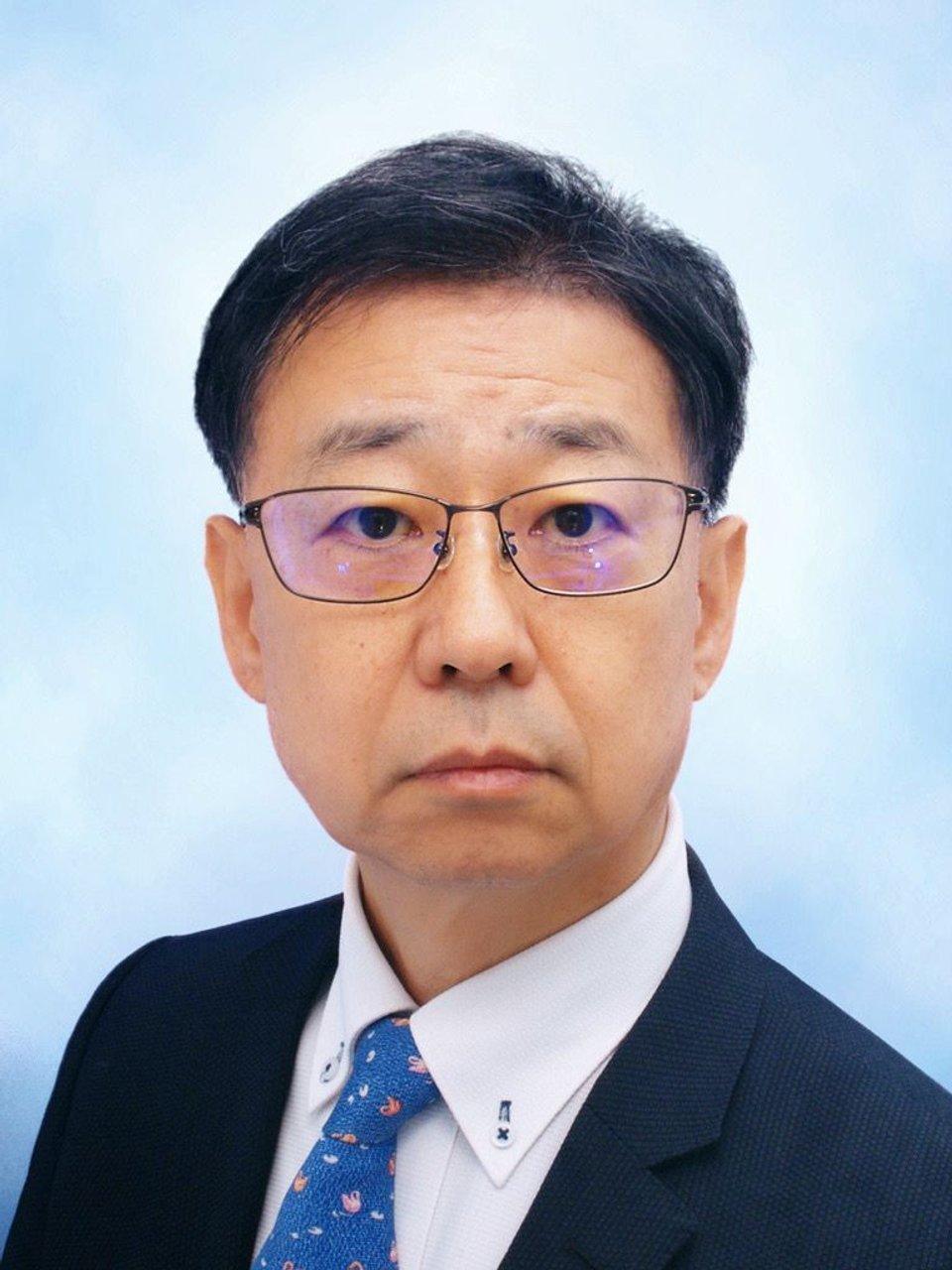
Norio Shibata, who led the group at the Nagoya Institute of Technology, said:
“PFAS are often called ‘forever chemicals’ because they are extremely resistant to degrading in the natural environment. Our ambition was to use this quality to our advantage by creating a technology that allows us to continuously recover, recycle and reuse these materials as valuable chemical resources.
Norio Shibata, who led the group at the Nagoya Institute of Technology, said:
“Instead of treating PFAS only as waste, we have shown that they can become a source of fluorine for future chemical products. We are deeply honoured to receive this recognition from the Royal Society of Chemistry and especially pleased to celebrate the students and researchers whose creativity helped make this work possible.”
A Persistent Materials Challenge
PFAS, or per- and polyfluoroalkyl substances, encompass thousands of synthetic chemicals valued for their durability and resistance to heat, water and grease. Those properties have enabled broad use across products and industrial applications, while also allowing the compounds to remain in the environment for extremely long periods.
The financial scale of the issue is substantial. The Forever Lobbying Project estimates that cleaning up PFAS pollution across the UK and Europe could cost more than £1.6 trillion over 20 years. Current guidance can involve destruction through extremely high-temperature burning or the use of solvents, approaches that risk releasing further toxic chemicals into the atmosphere.
The team’s research introduces an alternative direction: recovering an element from PFAS waste rather than approaching the material only through disposal. Fluorine is used in a range of chemical products, making the recovered material potentially relevant to manufacturers in several sectors.
Mechanochemistry At Room Temperature
The process is based on mechanochemistry, which uses mechanical force rather than solvents or high temperatures to drive chemical reactions. In this case, PFAS materials are milled with spinning metal balls, enabling the team to break down the compounds and recover fluorine as useful chemical building blocks.
According to the researchers, the method operates under relatively mild conditions at room temperature and without solvents. It has been applied to compounds including PTFE and PVDF, recovering around 95% of the fluorine they contain.
Leanne Marle, science awards and grants manager at the Royal Society of Chemistry, said:
“This work takes a completely different approach to the challenge of PFAS. Rather than focusing solely on how to dispose of these materials, the team has shown how chemistry can recover something useful from them.”
Potential For Industry Application
The Fluorine Circularity Team is now exploring opportunities to commercialise the process with industry partners. If scaled successfully, the technology could offer manufacturers a way to reuse existing fluorine resources while reducing PFAS waste.
The prospect is particularly relevant because it places materials recovery alongside pollution management. Rather than relying exclusively on treatment routes designed to eliminate PFAS, the process aims to return fluorine to productive use in chemical manufacturing.
For sectors dependent on fluorinated materials, this creates a compelling research pathway. The award from the Royal Society of Chemistry reflects the value of practical chemical innovation that addresses environmental persistence while retaining the material value held within waste.
A New Route For PFAS Waste
The team’s achievement illustrates how circular chemistry can broaden the options available for difficult industrial waste streams. Its 10-minute, solvent-free and room-temperature process has not removed the need for careful PFAS management, but it demonstrates that recovery can sit alongside efforts to reduce environmental exposure.
By turning PFAS-derived fluorine into a potential resource for medicines, electronics and refrigeration technologies, the Fluorine Circularity Team has given a high-profile scientific prize to an approach built around reuse. As commercial discussions progress, the work offers an encouraging example of research focused on retaining material value while confronting a longstanding environmental issue.