Buildings consume significant amounts of energy through heating, cooling, ventilation, lighting, and other mechanical systems. As businesses look for practical ways to reduce operating costs and improve environmental performance, mechanical infrastructure has become an increasingly important part of sustainability planning. Efficient HVAC equipment, smart building controls, preventative maintenance, and well-designed mechanical systems can all contribute to better energy performance.
Why Mechanical Systems Matter for Sustainability
Heating and cooling are among the largest energy demands in many commercial buildings. An inefficient HVAC system can consume unnecessary electricity while still providing inconsistent indoor temperatures. Over time, this affects both operating costs and the environmental footprint of a facility.
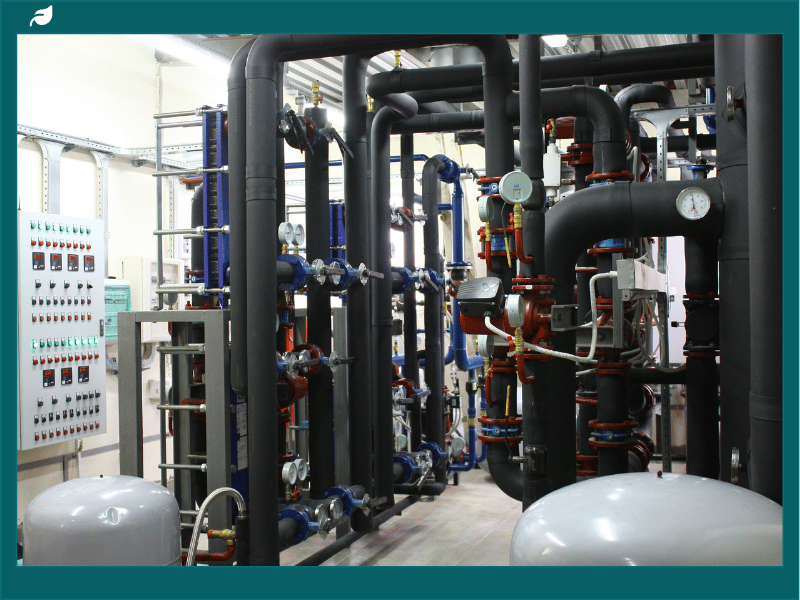
Modern mechanical solutions can address these challenges by matching equipment performance to actual building requirements. Variable-speed systems, efficient heating and cooling equipment, improved ventilation, and automated controls can reduce unnecessary energy consumption while maintaining comfortable indoor conditions.
This is particularly important for large facilities where mechanical systems operate for long periods. Even relatively small efficiency improvements can become significant when multiplied across thousands of operating hours each year.
Building Management Systems and Smarter Energy Use
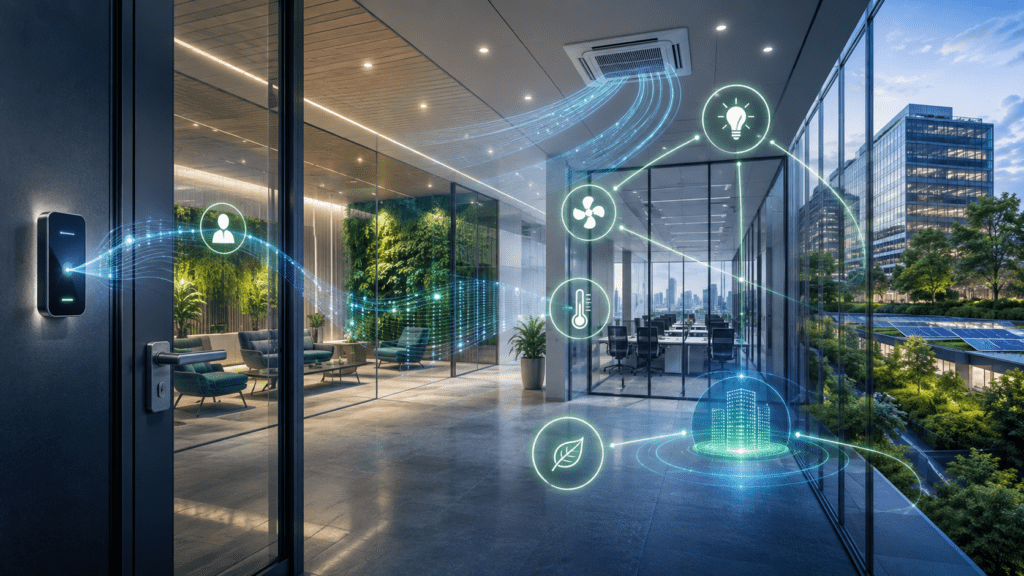
Technology is also changing how commercial buildings manage mechanical equipment. Building management systems can provide greater visibility into heating, cooling, ventilation, and other building functions.
Instead of allowing equipment to operate continuously at a fixed level, smart controls can adjust performance according to occupancy, temperature, schedules, and changing demand. This approach can reduce energy waste while helping facility managers identify unusual performance or maintenance requirements.
For businesses pursuing long-term sustainability goals, these systems can provide useful operational data. Understanding where and when energy is being consumed makes it easier to identify opportunities for improvement.
The Role of Preventative Maintenance
Sustainability is not limited to installing new equipment. Keeping existing systems operating efficiently can also have a meaningful impact.
Poorly maintained HVAC equipment may require more energy to deliver the same level of heating or cooling. Dirty components, blocked filters, inefficient controls, and developing mechanical problems can gradually reduce system performance.
Regular preventative maintenance can help identify these issues before they become larger problems. Extending the useful life of mechanical equipment can also reduce the need for premature replacement, helping businesses make better use of the materials and resources already invested in their buildings.
Retrofitting Existing Buildings
Replacing an entire building system is not always necessary. Retrofitting can provide another path toward improved efficiency, particularly in older commercial properties.
A retrofit may involve upgrading HVAC equipment, improving controls, replacing outdated components, or modifying mechanical infrastructure to work more efficiently. This can allow businesses to improve building performance without completely rebuilding existing systems.
Mechanical contractors with experience in retrofit and renovation projects can help evaluate existing infrastructure and identify practical improvements. For example, binsky mechanical provides commercial mechanical services that include HVAC installation, replacement, repair, maintenance, building management systems, and retrofit projects.
Sustainable Cooling for Data Centers and Critical Facilities
Some buildings have especially demanding mechanical requirements. Data centers, healthcare facilities, laboratories, and industrial operations may depend on continuous cooling and precise environmental controls.
In these environments, efficiency must be balanced with reliability. Modern cooling strategies can help reduce energy consumption while maintaining the conditions required for sensitive equipment and processes.
Data center cooling is particularly relevant as digital infrastructure continues to expand. Designing efficient mechanical systems from the beginning can help reduce the energy requirements associated with maintaining stable temperatures and operating conditions.
Designing for Long-Term Performance
Sustainable mechanical infrastructure requires more than selecting equipment with a high efficiency rating. System sizing, installation quality, controls, maintenance, and the building itself all influence real-world performance.
Businesses can benefit from taking a lifecycle approach when planning mechanical upgrades. The initial purchase price is only one part of the overall cost. Energy consumption, maintenance requirements, equipment lifespan, and future adaptability can have a much larger effect over the life of a system.
Working with an experienced mechanical contractor can help businesses consider these factors before making major infrastructure decisions. Binsky, for example, combines mechanical contracting with services such as virtual construction, fabrication, modular construction, and field construction, allowing mechanical requirements to be considered across different stages of a project.
Making Mechanical Infrastructure Part of Sustainability Planning
Energy efficiency does not always require dramatic changes. Upgrading controls, maintaining existing equipment, improving system design, and replacing inefficient components can collectively produce meaningful improvements.
For businesses focused on reducing energy consumption and improving building performance, mechanical systems should therefore be considered part of the wider sustainability strategy. Efficient HVAC, smart controls, preventative maintenance, and carefully planned retrofits can help create buildings that use resources more effectively while remaining comfortable, reliable, and adaptable.
As sustainability expectations continue to influence commercial construction and facility management, efficient mechanical infrastructure is likely to remain an important part of creating better-performing buildings.