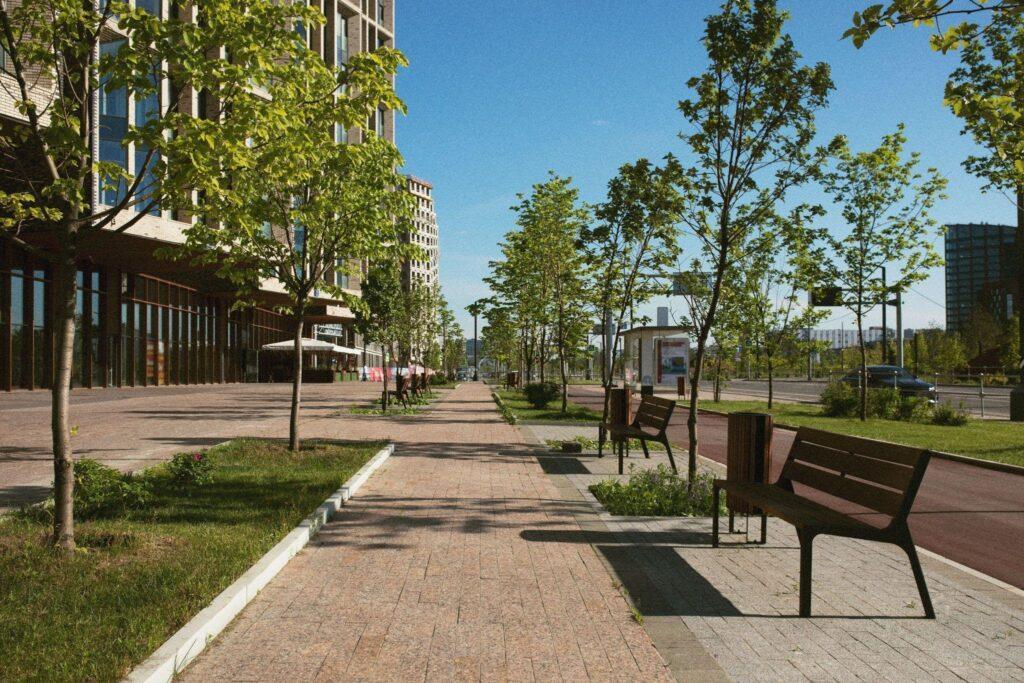
Urban trees do far more than make streets, campuses, and commercial properties look attractive. They provide shade, support biodiversity, help manage stormwater, and improve the comfort of outdoor spaces. These benefits grow over time, which means tree care works best when organizations plan for the long term. Companies such as A Plus Tree work within this wider field of professional tree care, where ongoing management helps protect the health, safety, and value of urban trees.
Cities and businesses often invest heavily in roads, drainage systems, buildings, and utilities. Trees also deserve a place in that planning process. They are living assets, and they need regular care if they are expected to perform well for decades.
Trees Support More Than Appearance
Healthy trees bring practical value to urban areas. Their canopies provide shade on streets, parking areas, and public spaces. That shade can make outdoor areas more comfortable during hot weather.
Trees also help slow rainwater as it reaches the ground. Leaves and branches catch part of the rainfall, while roots can support soil structure and water absorption. These effects can help reduce pressure on built drainage systems in some settings.
Urban trees also create habitat for birds, insects, and other wildlife. In developed areas with limited green space, even a small group of mature trees can support local biodiversity.
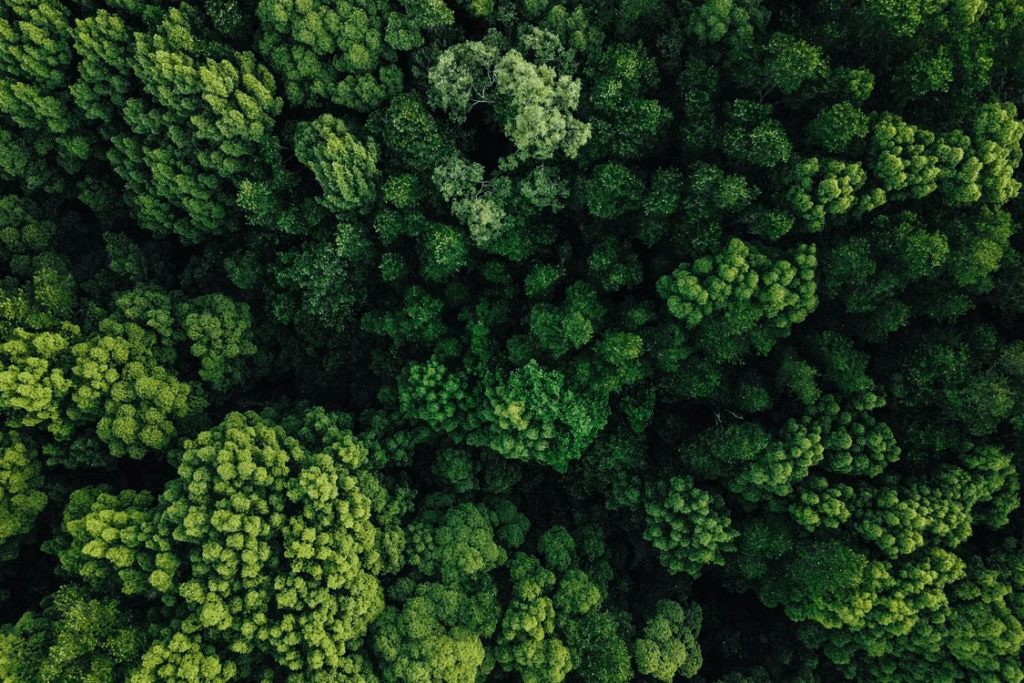
These benefits make trees part of a wider system of green infrastructure.
Long-Term Value Depends on Good Management
Planting a tree is only the start of the process.
Young trees need time, space, and care to establish strong roots and healthy structure. Mature trees need monitoring so signs of stress, disease, decay, or poor structure can be identified early.
Without regular care, small issues can become more difficult and expensive to manage. A weak branch structure may worsen over time. Root damage can affect stability. Pests or disease can spread before the problem becomes obvious.
A planned tree management program helps organizations identify these risks sooner and make decisions based on the condition of each tree.
Mature Trees Are Hard to Replace
One of the strongest reasons to manage trees as long-term assets is the value of maturity.
A large, established tree can provide far more shade and canopy cover than a newly planted one. If a mature tree is lost, planting a replacement does not restore those benefits right away.
It can take years for a young tree to develop a broad canopy. That delay matters in places where shade, visual screening, stormwater support, or habitat are important.
Protecting healthy mature trees can therefore support sustainability goals more effectively than relying only on new planting.
Regular Inspections Help Reduce Risk
Tree management also plays an important role in site safety.
Large branches can fail. Storms can damage trunks and roots. Construction work can affect trees in ways that are not easy to see from the ground.
Routine inspections help property managers understand which trees need attention and which ones remain in good condition. This makes it easier to prioritize pruning, plant health care, monitoring, or removal when necessary.
A structured inspection process also supports better budgeting. Instead of reacting to problems as they appear, organizations can plan work over time and focus resources where they have the greatest impact.
Pruning Supports Structure and Longevity
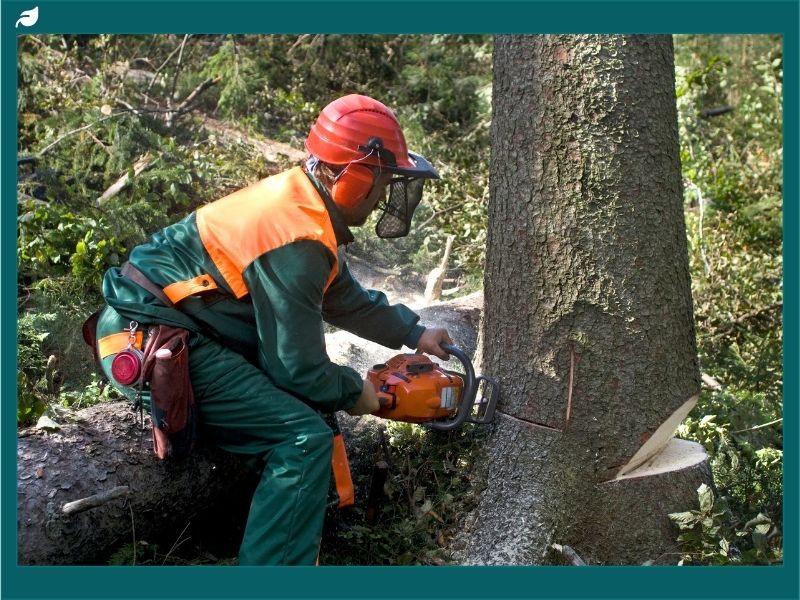
Pruning is one of the most common parts of tree care, but timing and technique matter.
Good pruning can remove damaged branches, improve structure, and reduce conflicts with buildings, roads, or walkways. It can also help young trees develop stronger forms that may reduce future maintenance needs.
Poor pruning can weaken trees and create long-term problems. Removing too much canopy can stress a tree. Large or unnecessary cuts can also increase the chance of decay.
For commercial, municipal, and institutional sites, pruning should form part of a wider tree management plan rather than a series of isolated jobs.
Soil and Root Conditions Matter
Trees depend on the soil around them, yet urban landscapes often place roots under pressure.
Compacted soil can limit air and water movement. Construction can damage roots or change drainage patterns. Paving and heavy foot traffic can also affect the space available for healthy root growth.
A tree may still look healthy for some time after root damage occurs, which makes long-term monitoring important.
Protecting root zones during construction and maintenance work can help preserve valuable trees. Where soil conditions are poor, targeted improvements may support better tree health and reduce stress.
Tree Management Supports Climate Resilience
Urban areas face growing pressure from heat, storms, drought, and changing weather patterns.
Healthy trees can help communities respond to some of these challenges. Shade can reduce heat exposure in outdoor areas. Strong root systems can support soil stability. Diverse tree populations can also reduce the risk of widespread loss from a single pest or disease.
For this reason, resilience depends on both planting and management.
Organizations need to think about species diversity, age mix, site conditions, and long-term care. A landscape with many trees of the same age or species may look healthy today while carrying more risk in the future.
Better Data Leads to Better Decisions
Many organizations now manage trees with the same level of planning used for other physical assets.
Tree inventories can record species, size, condition, location, maintenance needs, and inspection history. This information can help teams identify trends and plan work across large properties or public spaces.
Data also makes it easier to track canopy goals, maintenance needs, and long-term changes.
For municipalities, campuses, utilities, and commercial property groups, this can turn tree care into a more consistent and measurable part of operations.
Sustainability Requires Stewardship
Urban sustainability is often linked with planting more trees, but lasting value depends on what happens after planting.
Trees need space to grow, healthy soil, regular inspection, careful pruning, and informed management. Mature trees also need protection when nearby development or maintenance work takes place.
Treating trees as long-term infrastructure helps organizations protect the benefits they already have while planning for future needs.
A healthy urban forest is built over decades. Good stewardship keeps that system working for the people, properties, and communities that depend on it.