The Linear Economy Trap: Why We Rush to Replace
Modern consumer culture has shifted toward rapid disposability, impacting our global footprint. When appliances break down, seeking professional assistance like GE appliance repair serves as a vital first line of defense against unnecessary waste. This throwaway culture thrives on convenience, aggressive marketing, and perceived obsolescence, masking the severe ecological consequences born from continuous manufacturing cycles. We are currently living in a linear “take-make-waste” economy, where the speed of consumption is prioritized over the longevity of products. This cycle is unsustainable.
- The Illusion of Progress: Consumers are frequently nudged toward upgrades under the guise of superior energy efficiency, ignoring the massive upfront carbon cost required to build a replacement. Often, the marketing surrounding “energy-efficient” models ignores the massive industrial energy cost needed to produce them.
- Premature Disposal: Many appliances are discarded long before the end of their actual mechanical lifespan simply due to minor, fixable faults. Simple issues, such as a faulty heating element or a broken door seal, are now treated as death sentences for perfectly good machines.
Preserving existing machinery prevents premature extraction of raw materials, keeping functional electronics out of overflowing municipal landfills and drastically reducing the need for new units. By choosing to repair, you are effectively taking a stand against the cycle of rapid consumption.
The Heavy Carbon Toll of Manufacturing New Goods
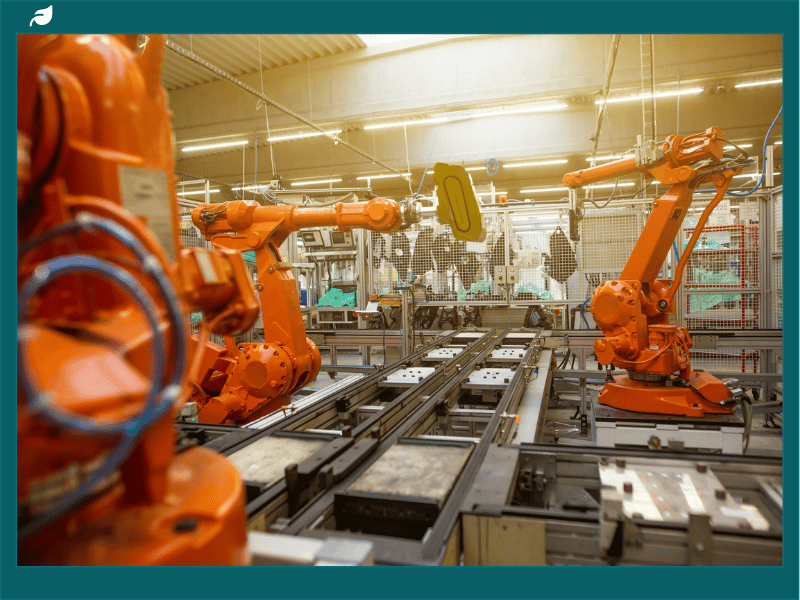
The industrial processes required to extract, refine, and assemble brand-new household appliances demand staggering amounts of energy and natural resources. Raw material acquisition alone involves heavy machinery, intensive mining operations, and significant habitat destruction. Every stage of production—from smelting steel and molding plastics to manufacturing intricate microchips releases immense volumes of greenhouse gases into the atmosphere. This is the “hidden” cost that consumers rarely see when they purchase a new item off the shelf.
The extensive supply chains required to distribute these products globally contribute heavily to industrial pollution. From maritime shipping containers to regional diesel delivery trucks, every single transit mile adds to the total greenhouse gas burden of a brand-new appliance before it even reaches a residential kitchen. Furthermore, the chemical processing involved in treating plastics and treating metals introduces toxic byproducts into surrounding ecosystems, compounding the environmental damage of mass manufacturing.
- Resource Depletion: High-demand metals like copper, aluminum, and rare earth elements require energy-intensive refinement processes that permanently alter landscapes. The extraction phase is arguably the most destructive part of the entire lifecycle.
- Embodied Energy: An appliance’s embodied energy represents the total energy consumed across its entire production lifecycle before it ever reaches a residential kitchen. When you buy new, you are not just buying the machine; you are buying all the energy used to create it, transport it, and package it.
| Stage of Lifecycle | Environmental Impact | Primary Resource Consumed |
| Raw Extraction | High habitat disruption and toxic runoff | Ores, minerals, fossil fuels |
| Manufacturing | Massive greenhouse gas emissions | Electricity, water, specialized chemicals |
| Transportation | Global carbon emissions from freight | Diesel, marine fuel, jet fuel |
| End-of-Life | Landfill accumulation or hazardous e-waste | Unrecycled plastics, heavy metals |
The Deceptive Myth of Modern Energy Efficiency Gains
A common justification for replacing an older appliance prematurely is the promise of lower utility bills through modern energy efficiency ratings. While newer models generally consume less electricity during everyday operation, evaluating sustainability purely through operational metrics creates a dangerous blind spot. The ecological deficit created by manufacturing a replacement often completely outweighs the marginal energy savings gained over years of use. It takes a significant amount of time for a “more efficient” machine to actually pay back its environmental “carbon debt.”
Modern appliances are also frequently marketed with smart features, Wi-Fi connectivity, and digital displays that consume phantom standby power continuously. When you factor in the energy required to power these constant digital connections over the appliance’s lifetime, the net efficiency gains over older, simpler models shrink significantly. Sustainable living requires us to look past glossy marketing campaigns and analyze the total lifecycle impact of our consumer choices.
- The Manufacturing Offset Period: An appliance must operate for many years to offset the carbon footprint generated solely by its initial factory production. In many cases, by the time the machine has reached this “break-even” point, the manufacturer has already released a new model, and the cycle continues.
- Planned Obsolescence: Modern units are frequently engineered with shorter life expectancies and glued components, making future repairs economically unviable compared to older, sturdier builds. This strategic design choice forces consumers back into the marketplace sooner than necessary, perpetuating the environmental impact.
Choosing repair over replacement respects the embodied energy already locked inside your existing machinery. Rather than feeding an endless cycle of consumption, maintaining durable goods ensures that past manufacturing expenditures continue to deliver value without demanding a fresh ecological toll. Repairing is a form of environmental preservation.
E-Waste Crisis and the Burden on Global Landfills
Discarded household appliances contribute significantly to the global electronic and mechanical waste crisis, introducing hazardous substances into local ecosystems. When large appliances are improperly discarded, materials such as refrigerants, heavy metals, and synthetic oils leach into soil and groundwater systems. Municipal waste facilities struggle to handle the sheer volume of bulky discarded hardware, accelerating the exhaustion of available landfill space worldwide. This is not just a spatial problem; it is a chemical contamination problem that affects the health of our planet.
The sheer volume of discarded consumer electronics and large appliances has overwhelmed municipal waste systems globally, forcing nations to seek alternative disposal methods that often export environmental damage to developing regions. Informal recycling loops frequently employ unsafe dismantling practices, releasing toxic elements like lead, cadmium, and mercury into local communities. Protecting global ecosystems requires a systemic shift away from disposal and toward robust repair infrastructures.
- Hazardous Materials: Old refrigerators and freezers often contain ozone-depleting chlorofluorocarbons or potent greenhouse gas refrigerants that require careful handling and disposal by licensed professionals.
- Recycling Bottlenecks: Despite recycling initiatives, complex multi-material appliances are notoriously difficult and expensive to dismantle sustainably, meaning a vast majority end up buried in landfills rather than recycled into usable materials. The reality of “recycling” is far more complex and inefficient than many realize.
By committing to component-level maintenance rather than wholesale dumping, households actively reduce community waste burdens. Extending an appliance’s operational timeline by even a few years dramatically curtails the relentless accumulation of global e-waste. It is the most effective way for the average consumer to lower their personal environmental footprint.
Economic Resilience and Sustainable Community Value
Embracing a repair-centric mindset fosters local economic resilience while curbing environmental degradation on a macro scale. Localized repair technician networks keep financial capital within communities, supporting skilled labor trades instead of multi-national manufacturing conglomerates. Cultivating a culture of maintenance empowers consumers to take direct responsibility for their ecological footprint, proving that sustainable living often aligns with financial prudence. Repairing isn’t just “green” – it’s smart economics.
Small local businesses that specialize in restoration and diagnostics provide vital services that keep household items running smoothly for decades. By investing in local repair services rather than purchasing mass-produced replacements, communities retain wealth and reduce their reliance on fragile, globalized supply chains that are vulnerable to geopolitical disruptions and material shortages.
- Job Creation: Supporting regional service providers creates stable, meaningful employment opportunities that cannot be outsourced to automated foreign factories. This keeps the local economy vibrant and skilled.
- Cost Efficiency: Repairing an appliance usually costs a fraction of buying a brand-new equivalent, saving households hundreds of dollars annually. When you multiply this by millions of households, the financial and environmental savings are profound.
It is time to reframe the conversation: repair is not a sign of poverty or an inability to “upgrade”; it is a sophisticated, responsible, and environmentally conscious choice that benefits the local economy and the global ecosystem alike.
Conclusion: Shaping a Sustainable Future Through Conscious Care
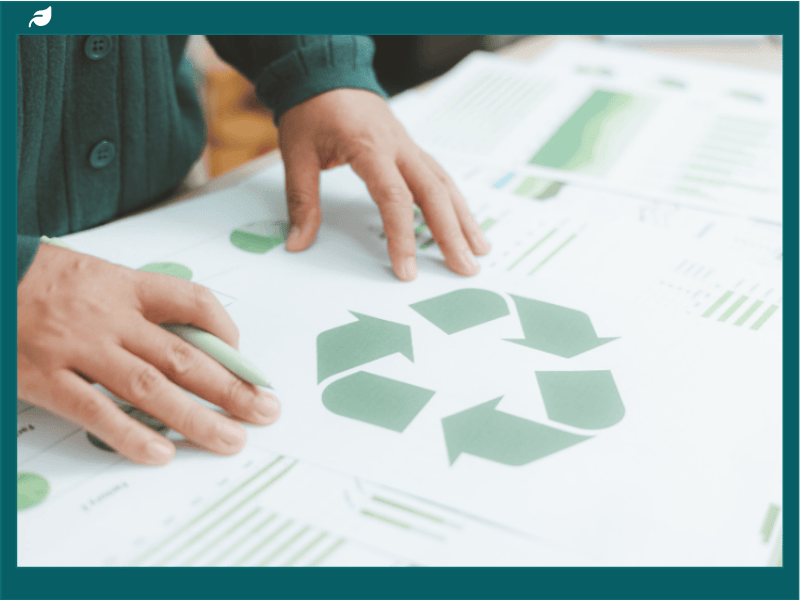
Ultimately, shifting our collective approach from replacement to repair is a fundamental prerequisite for building a truly circular economy. Every successful fix represents a direct vote against wasteful manufacturing cycles, resource depletion, and unnecessary carbon emissions. We must move beyond the convenience-driven consumption patterns that define the modern era and return to a model where objects are respected, maintained, and cherished. Partnering with dedicated professionals, such as the experts at Noble BHS company, empowers homeowners to extend the lifecycle of their essential household devices. Embracing conscious maintenance habits ensures that environmental stewardship begins right inside our own kitchens, protecting the planet one restored appliance at a time. The future of sustainability depends on the choices we make today let us choose to repair, preserve, and protect our environment for generations to come.