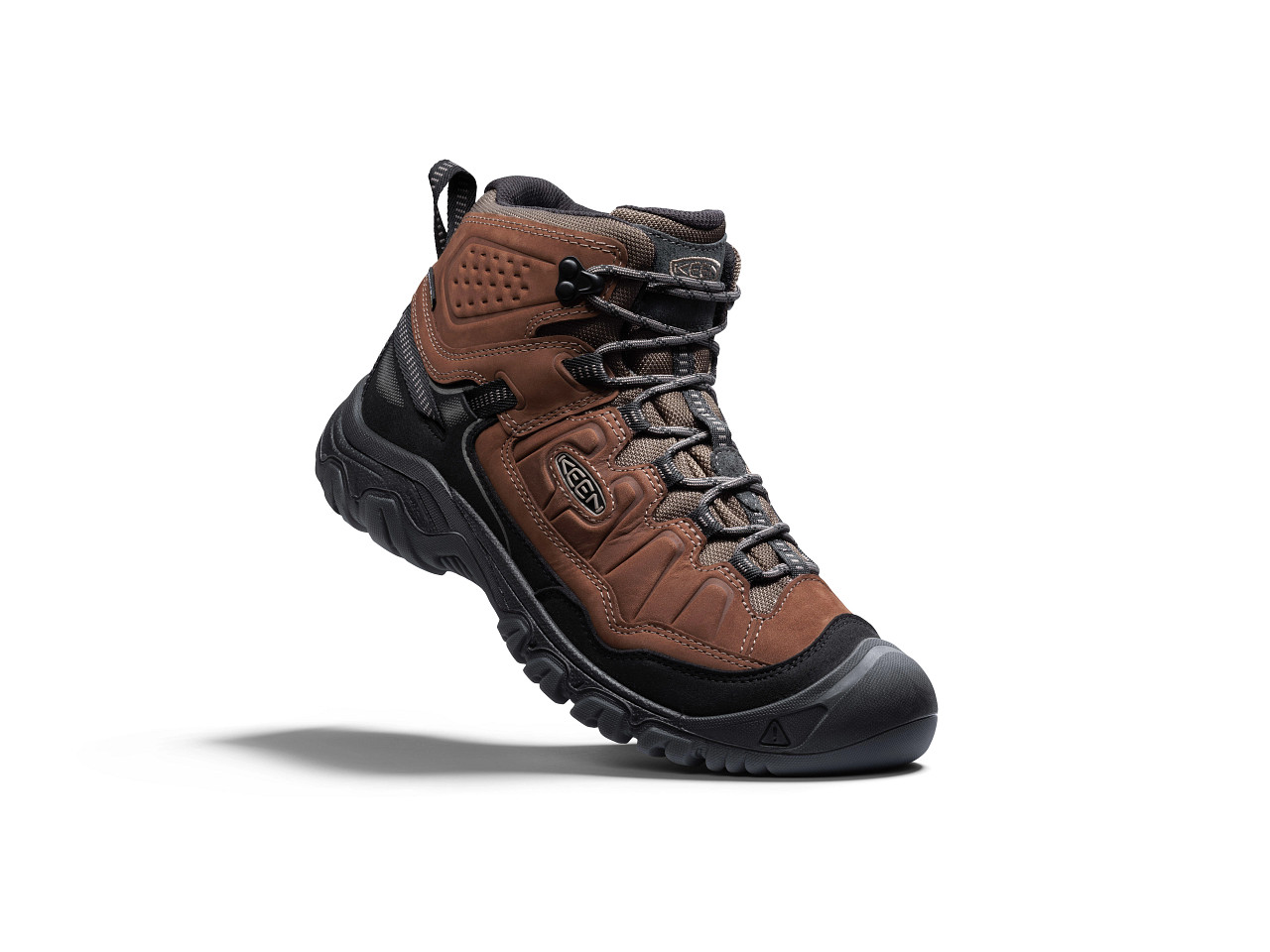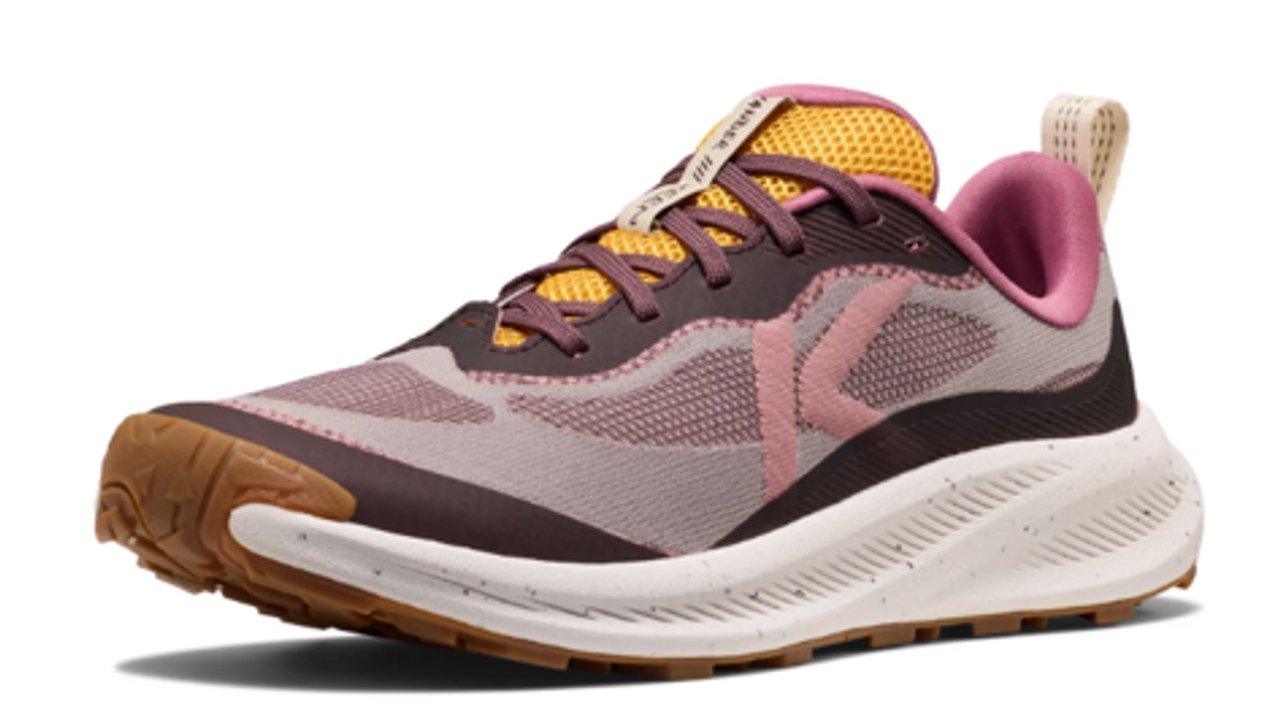
KEEN plans to introduce EcoEnd, a midsole technology designed to accelerate biodegradation and reduce microplastics when footwear reaches landfill. The technology will appear first in the Wander trail running shoe, due to launch in the UK in September 2026 at £130, before being incorporated across all KEEN trail running styles from 2026. Applied to the brand’s performance foam midsoles, EcoEnd is intended to remain inactive throughout a shoe’s working life, protecting performance, durability and underfoot feel. The launch offers a practical response to a persistent footwear waste issue, while retaining the robust design standards expected of trail footwear.
Materials Designed For Disposal
Footwear’s end of life remains difficult to manage, particularly for products built from plastic-based materials such as PU and EVA foam. KEEN states that the footwear industry produces roughly 24 billion pairs each year, with about 90% ultimately going to landfill. Those materials can perform effectively during use, yet may take hundreds of years to break down and can release microplastics as they degrade.
EcoEnd contains a blend of organic compounds and is designed to work in the biologically active conditions found in landfill. The technology enables microbes to consume the plastic through biodegradation, adapting an approach already used in hard-to-recycle food and sports equipment packaging for use in footwear midsoles.
Ann Radil, who leads corporate sustainability and philanthropy at KEEN, said:
“Upgrading our midsoles—and eventually other shoe components—to incorporate EcoEnd is a tangible proof point in how we’re delivering more sustainable footwear, by designing materials with end-of-life in mind, without compromising performance, durability, or price,”
The company reports that laboratory testing using ASTM D5511 found EcoEnd-enhanced midsole foam biodegraded at a rate of 9.6% after 30 days in a biologically active landfill. KEEN says this can reduce the anticipated decomposition timeline from centuries to several years.
A Scale Focused Approach
EcoEnd is presented as part of KEEN’s Consciously Created approach, which brings material choices, durability and product life into the same conversation. The company’s stated goal is “forever shoes, not a forever footprint”, recognising that longer-lasting products remain an important means of keeping footwear in use and out of landfill.
Its existing KEEN.FUSION direct-inject construction method fuses an upper to the sole using heat, creating a mechanical bond without harmful glues. KEEN has also introduced its RE.KEEN resale programme to extend the useful life of footwear that can still be worn or passed on.
Ann Radil, who leads corporate sustainability and philanthropy at KEEN, said:
“What makes EcoEnd so impactful to KEEN and the industry is scale. Small material decisions, applied across millions of pairs, can create meaningful long-term impact.”
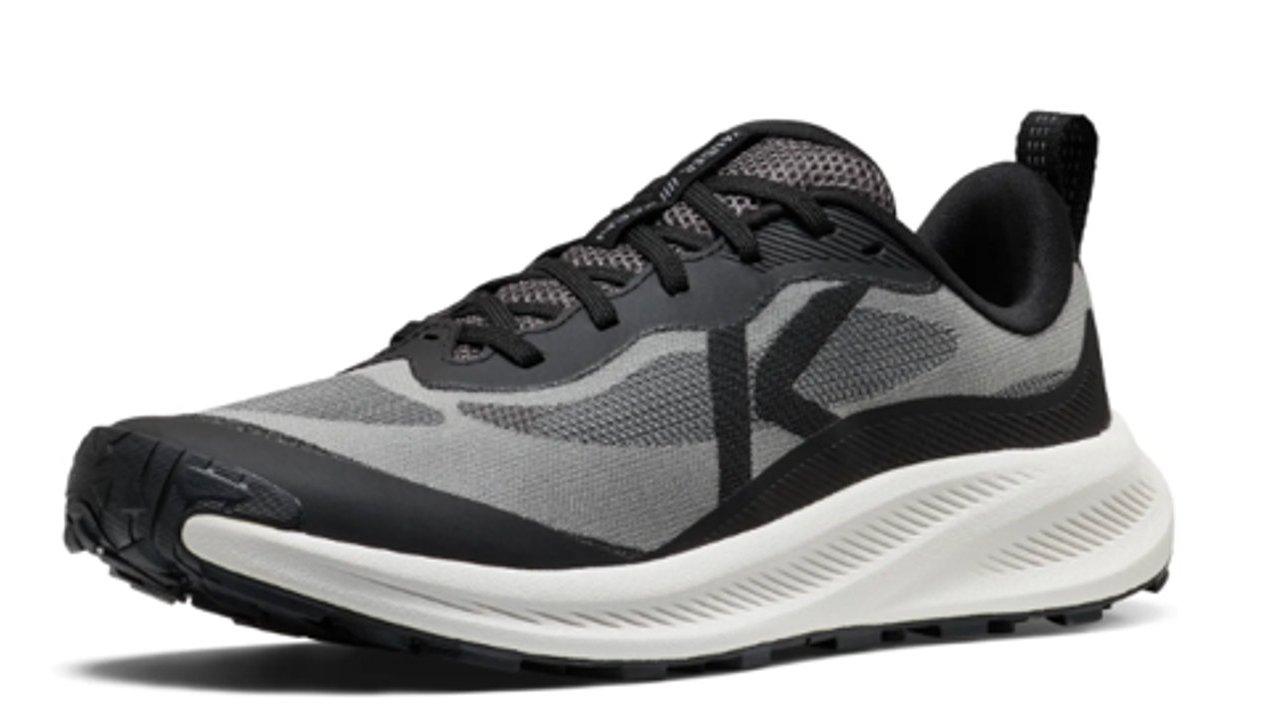
EcoEnd’s significance lies in its planned reach across a product range rather than its use in a single limited model. KEEN intends to expand the solution into additional product categories over time, following its rollout in trail running footwear.
Wander Makes Its Debut
The Wander will be the first KEEN shoe to feature the EcoEnd-enhanced midsole. Positioned as the company’s lowest-profile, most-connected trail runner, it has been developed for runners seeking greater terrain awareness and a more natural foot strike across rugged to moderate routes.
The shoe pairs a lower stack height with a 4mm heel-to-toe drop, a wider forefoot and a 3/4-length plate intended to provide protection and stability on uneven ground. Its compression-resistant KEEN.ReGENX cushioning is designed for a softer, closer-to-ground feel, while breathable performance mesh uses reinforced overlays for added structure and durability.
Shaun Bohnsack, VP of performance footwear at KEEN, said:
“We run to connect—to ourselves and the world around us,”
Shaun Bohnsack, VP of performance footwear at KEEN, said:
“So, in addition to creating a trail runner with a more minimal profile to enhance that connection, we found a way to reduce its impact on the planet at its end of life, too. It delivers a closer-to-earth feel in every way.”
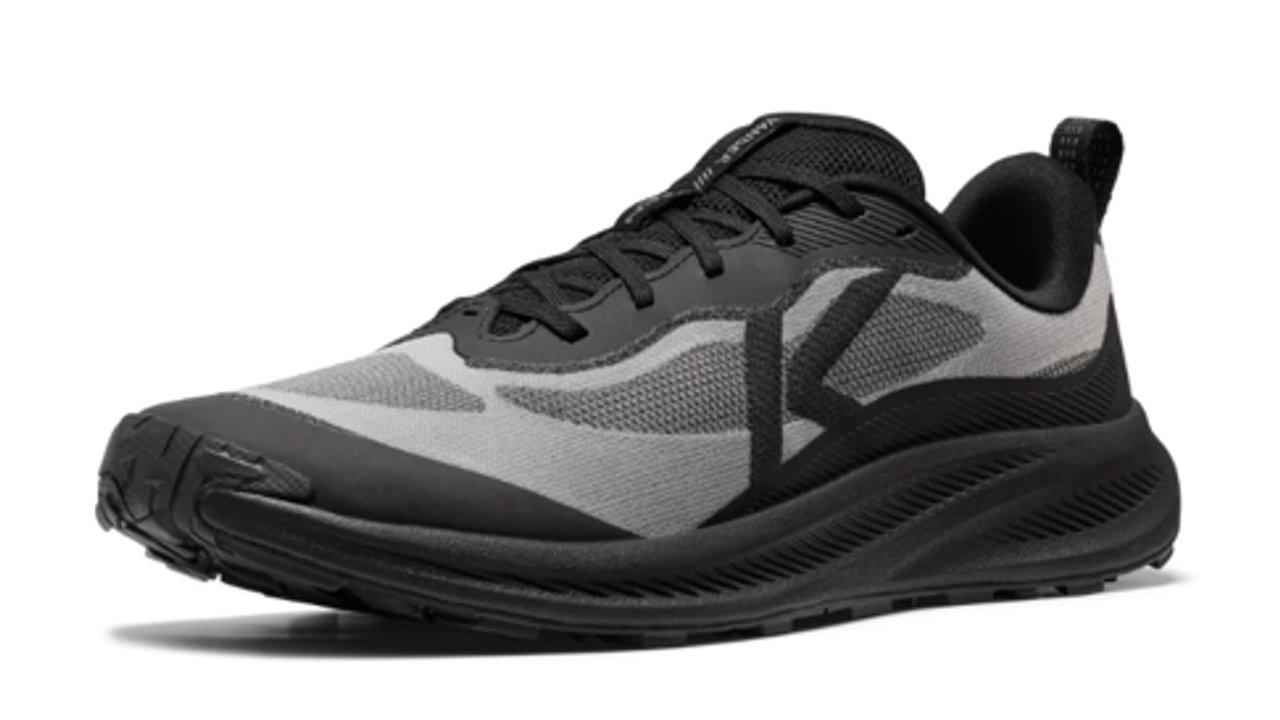
Wander also uses an abrasion-resistant rubber outsole with 3mm lugs for traction across multiple surfaces. KEEN says the outsole has been rated by independent biomechanical footwear testing lab Heeluxe to last more than 925 miles until worn smooth. The shoe weighs 9.95oz in the men’s version and has a stack height of 26.1mm.
Opening The Findings
KEEN’s EcoEnd programme seeks to place end-of-life material performance alongside the demands of everyday footwear use. The technology is designed to stay dormant while a shoe is worn, then activate after disposal in landfill conditions, avoiding a trade-off between durability and disposal considerations.
Beyond its own range, KEEN says it intends to make its findings available to other footwear brands. That willingness to share development work reflects an understanding that landfill waste and microplastic pollution are sector-wide concerns, requiring progress beyond individual product launches.
Ann Radil, who leads corporate sustainability and philanthropy at KEEN, said:
“Making shoes has an impact on the planet, and we work hard to lessen that impact,”
Ann Radil, who leads corporate sustainability and philanthropy at KEEN, said:
“EcoEnd is an exciting step forward in sustainable innovation, and our goal has always been to prove it works, build the supply chain, and then make it accessible—because industry-wide adoption is how this kind of innovation makes the biggest difference. We could have kept this to ourselves, but proprietary green technology only solves a fraction of the problem—so we’re opening our findings to any brand that wants them, because the climate doesn’t benefit from competitive advantage.”
With the Wander’s UK release planned for September 2026, KEEN is bringing a new materials proposition to the trail running market: a shoe built to withstand demanding terrain, while accounting more deliberately for what happens after its useful life ends.