Washington, D.C. invites an overambitious schedule. The pins look close together and many museums are free, but by mid-afternoon, tired feet and unnecessary car trips tell a different story.
A well-paced 4 day Washington DC itinerary sticks to a sightseeing spine: Smithsonian museums and the Tidal Basin, the farther reaches of Mount Vernon and Arlington, Capitol Hill, then a final pass through the central Mall. Keeping to those geographic clusters saves time and cuts backtracking, which can otherwise turn a short city break into a surprisingly transport-heavy one.
Four days in Washington is the perfect microcosm of how route planning, building performance, fleet management, and waste prevention work in ordinary life.
Choose the Hotel Before Fine-Tuning the Route
Location will do more for this trip than a long list of green travel gadgets. Look for a hotel within an easy walk of Metro and close to one day’s main cluster. Returning for a jacket then becomes a small detour, instead of another ride across town.
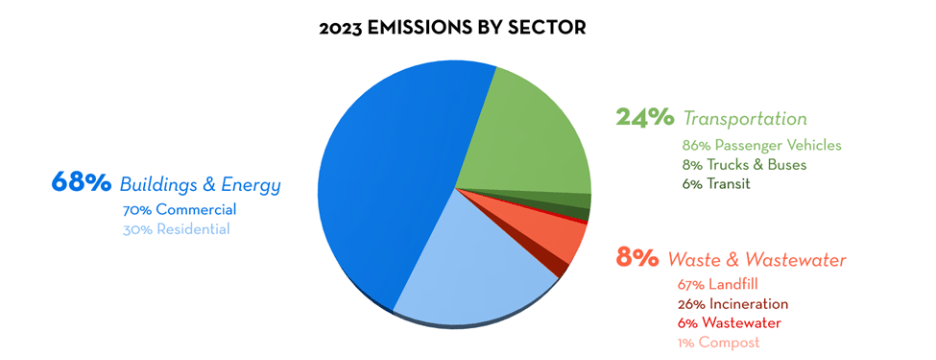
The building itself matters, too. In 2023, buildings produced 68% of the District’s community-wide greenhouse gas emissions, compared with 24% from transportation. A hotel’s heating, cooling, lighting, and hot-water systems carry more weight than a card asking guests to reuse towels.
Before booking, look for measured energy or water results and credible third-party certification. If the website is vague, ask whether rooms have occupancy controls and refill stations. A leaf-shaped logo alone says little.
Day One: Let the National Mall Do the Work
Use the first day for the Natural History and American History museums, followed by the Jefferson, Franklin D. Roosevelt, and Martin Luther King Jr. memorials around the Tidal Basin. One trip into the area can support most of the day.
The Mall is longer than it appears in photographs, so carry a light refillable bottle and check the weather before leaving the hotel. On a hot afternoon, an extra museum hour may be wiser than forcing a long exposed walk.
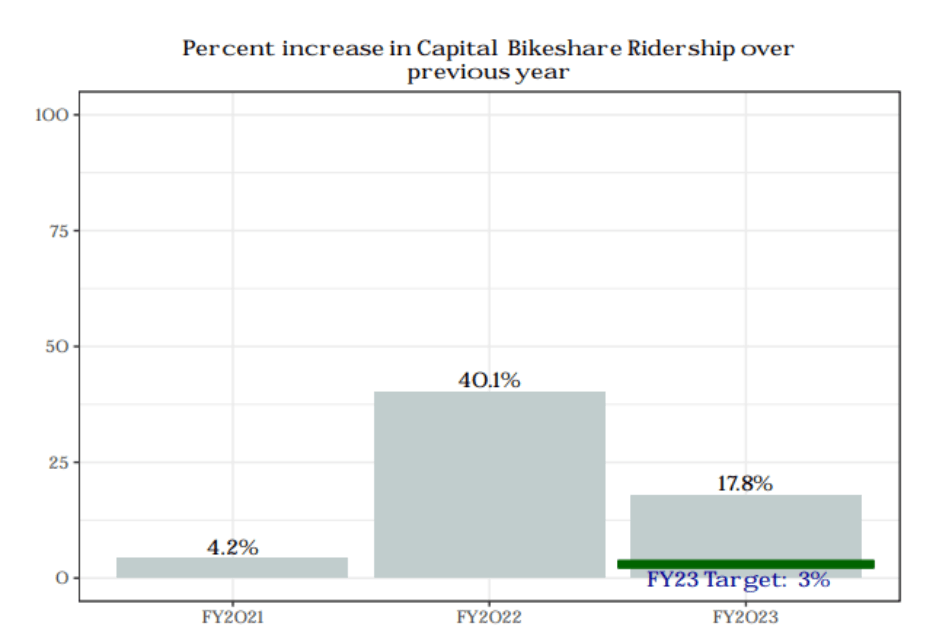
For adults comfortable riding in a city, bikeshare can shorten the loop. Capital Bikeshare recorded more than 3.5 million rides in the District during fiscal year 2023, nearly 18% more than the previous year.
Compact sightseeing also supports businesses around each stop. One café meal and a planned rest create less scrambling than several snack purchases and last-minute rides made because the group ran out of energy.
Day Two: Share the Longer Journey
Mount Vernon, the National Museum of the United States Army, Arlington National Cemetery, and the Marine Corps War Memorial do not form the same easy walking grid. Stitching together a complicated transit-only route can consume hours and may still require several cars.
For a group, one well-filled coach is practical, and a well-planned route reduces empty miles, saving money and fuel.
Smaller parties may need one pre-booked transfer for the outer sites. Where available, electric vehicles can cover that gap, though a cleaner powertrain does not solve congestion or inefficient routing. Combine stops and avoid sending a vehicle back and forth to the hotel.
If the evening includes a game at Nationals Park, return the coach after the daytime loop and use Metro. A private pickup often means waiting in traffic with the engine running.
Day Three: Read Downtown Like an Energy Manager
Begin near the Capitol, Library of Congress, and Supreme Court, then work west toward the National Archives, the National Museum of African American History and Culture, the White House, and the Lincoln Memorial area.
This route is also a chance to look beyond stone facades. Large museums must light galleries, protect collections, cool crowded rooms, and operate security systems for long hours. Behind the scenes, good management may involve efficient lighting, carefully scheduled equipment, repaired air leaks, and controls that match energy use to occupancy.
Travelers rarely get to inspect a building’s energy systems, but they can reward businesses that publish real performance. A hotel or venue that reports a reduction against a clear baseline is offering useful evidence. Decorative greenery in the lobby may look nice, but it is not an energy plan.
Day Four: Keep the Final Loop Tight
Store luggage at the hotel and connect Ford’s Theatre, the Washington Monument, the United States Holocaust Memorial Museum, and the World War II Memorial in one central loop. Just make sure to leave some open time, since security lines and a compelling exhibition rarely cooperate with a minute-by-minute plan.
Souvenirs deserve some pause as well. One book from a museum shop or a useful, well-made item will probably outlast a bag of novelty objects. This is sustainable procurement on a tiny scale: buy less and think about what will last.
Pack Less, Check More
A small amount of preparation prevents emergency purchases and needless journeys, so before leaving, make sure you have:
- Comfortable shoes that are already broken in
- A refillable bottle and a compact tote
- A light layer for heavily cooled interiors
- Transit payment set up and a backup payment method
- Confirmed museum hours and reservations
There is no prize for making a D.C. visit perfectly carbon-free, but the value comes from the learnings. By checkout, the Metro map and the hotel thermostat may have taught as much about sustainable business as any formal exhibit.