Birmingham Airport has signed up to HyPRIME, a new hydrogen infrastructure trial led by ZeroAvia and part funded by the Department for Transport. The airport will work alongside ULEMCO, GeoPura and Bristol Airport to design, build and test a mobile refuelling rig capable of supporting hydrogen electric aircraft within standard commercial turnaround times. The multi-million-pound project, whose name stands for Hydrogen Propulsion Refuelling Infrastructure Mobile Ecosystem, will also examine hydrogen supply for ground support equipment and on-site power generation. It arrives as Birmingham Airport works towards net zero carbon emissions from its direct operations by 2033, having already reported an 11% reduction in location-based greenhouse gas emissions for 2025/26.
A Live Testing Ground For Liquid Hydrogen
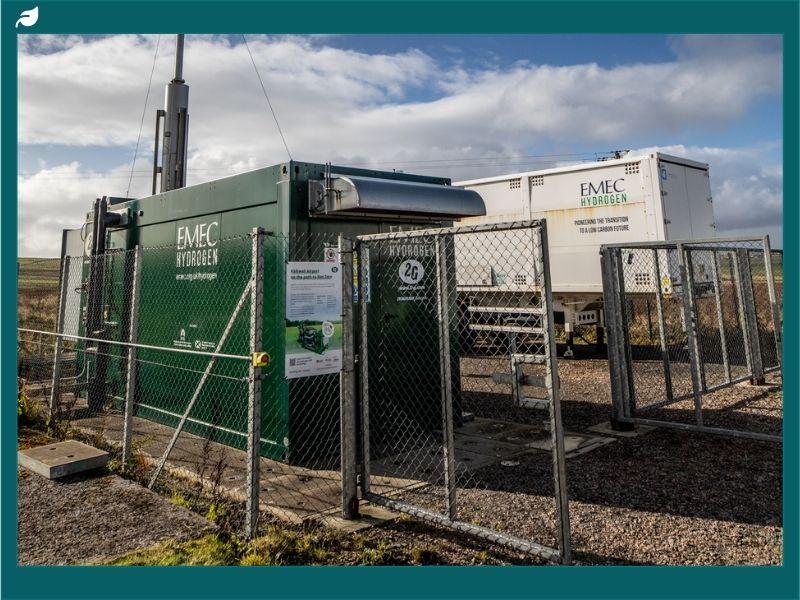
Rather than confining the work to laboratories or test benches, HyPRIME will operate in live airport environments, putting the practicalities of introducing liquid hydrogen (LH₂) at commercial airports under real scrutiny. The project partners will assess safety requirements, economic considerations and the wider operational impacts of handling hydrogen fuel alongside the day-to-day pressures of a working terminal. That focus on operational realism, rather than theoretical modelling, is intended to produce findings that can directly inform how hydrogen infrastructure is rolled out across the wider UK aviation sector.
Extending An Existing Partnership
Birmingham Airport‘s participation in HyPRIME builds directly on its established relationship with ZeroAvia and forms part of preparations for future hydrogen electric flights from Birmingham. The airport frames its involvement as a continuation of momentum rather than a standalone initiative, positioning the trial as groundwork for a longer transition towards zero emission aviation from its site.
Tom Denton, Head of Sustainability at Birmingham Airport, said:
“Hydrogen electric aircraft are progressing quickly, and airports need to understand how this fuel can be safely and efficiently integrated into daily operations. HyPRIME gives us the opportunity to test procedures and build the knowledge required to support future zero emission flights from Birmingham. Taking part in this project helps us maintain the momentum we’ve built over the past few years and moves us that bit little closer to achieving our mission of running a lower carbon airport.”
What The Airport Will Test
Through HyPRIME, Birmingham Airport will be able to test hydrogen handling, storage and refuelling processes on-site, using the mobile rig developed with ULEMCO, GeoPura and Bristol Airport. The design brief centres on matching the pace of standard commercial turnarounds, a detail that speaks to one of the practical barriers airports face in adopting new fuel types: any new process has to fit within existing timetables rather than disrupt them. Beyond aircraft refuelling, the trial’s remit covers hydrogen supply for ground support equipment and on-site power generation, broadening its relevance beyond a single use case.
Part Of A Wider Decarbonisation Push
The HyPRIME trial sits alongside other steps the airport has taken towards its 2033 net zero target for direct operations, including the recently reported 11% year-on-year cut in location-based greenhouse gas emissions. Birmingham Airport describes itself as continuing to support innovation aimed at accelerating the decarbonisation of regional aviation, and the HyPRIME collaboration gives that ambition a concrete, near-term testing ground.
What HyPRIME ultimately offers the sector is evidence rather than promises: data on safety, cost and operational impact drawn from a working airport rather than a controlled trial site. For Birmingham Airport, that evidence base is the next practical step towards the hydrogen electric flights it has been preparing to support, and a marker of how regional airports are choosing to engage with the infrastructure questions that will determine how quickly aviation can move away from conventional fuels.