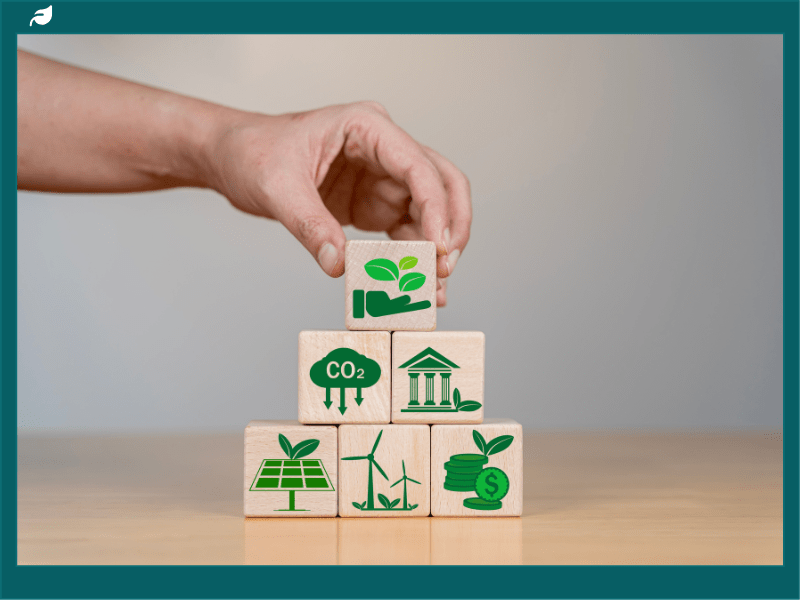
Remote working and sustainability are two points you would automatically think go hand in hand. What with the absence of a commute, surely remote working is more sustainable for the environment and bad for businesses too? Yes and no; while it is beneficial in reducing pollution, there are other ways your remote workers can impact the environment, thus decreasing your sustainability efforts. With more people working from home than ever before, employers looking for ways to reduce their carbon footprint need to go one step further to ensure all workers are on board with greener initiatives.
Effective Scheduling
Did you know that the internet uses vast amounts of energy? Having too many employees online at any one time can increase your resources and energy consumption. If you have employees who need to travel for meetings or appointments or even to a cafe to use their services, this again can further increase your carbon footprint if they aren’t walking.
Make use of effective software scheduling tools to help you better distribute your workers and ensure that you aren’t wasting resources by having too many people moving around for no reason or being online when you don’t need them to be. Using job management software is an excellent way to do this and can give you a better idea of who needs to be where and when, and what the status of each job is. In addition to smarter scheduling, companies can also rethink how they source talent. With the rise of remote data science jobs, businesses are no longer limited by geography when building specialized teams. Hiring remotely not only reduces the need for commuting and office resources but also lowers overall carbon emissions. By connecting with skilled professionals worldwide, organizations can balance sustainability goals with access to top-tier expertise
Effective Training
Putting training in place for all employees improves your employee’s culture and can increase productivity, which is more sustainable all around. It also helps to boost job satisfaction, which means you can retain your employees for as long as you are vested in their growth and development. Not only do they need training in all aspects of their job role, but they can have training on best remote working practices, best sustainability options for remote working and digital security to help you combat common issues faced by remote workers. This will reduce time wasted during the working day and reserve used by having to redo tasks or revisit issues to correct mistakes.
Think of it this way: the average business user created 135 kg of C02e pre covid from sending emails per year; this is the equivalent of driving a car. Fewer emails, less C02e!
Collaboration Tools
Now we know the impact sending just one email can have on the environment; it makes sense that reducing them without reducing communication is much needed. This is where tools like Slack come into play. One company found that using collaboration tools such as these reduced their emails by nearly 50%. If you have 100 employees resign their emails by half, this adds up over the year. So, make sure you are using the best tools to help you streamline communications at all times between remote workers.
Recycling
E-waste is one of the biggest environmental threats since plastic, and we still haven’t rectified that issue yet. More than 50 million metric tonnes of e-waste is generated each year. And while that isn’t devices alone, they do make up a considerable portion of this type of waste. Devices are made to be discarded once they’re no longer used and upgraded to a newer model. If this applies to your business, work with your remote workers to enable them to use only essential devices and reduce your e-waste. Have proper recycling plans for anything that is no longer usable or older divides when you upgrade. This can reduce your impact on the environment, making you more sustainable.