Recreational boating carries a green reputation problem it is working hard to fix. Older outboard engines burn fuel inefficiently and leak into the water. The sector knows the pressure is rising, from regulators and customers alike.
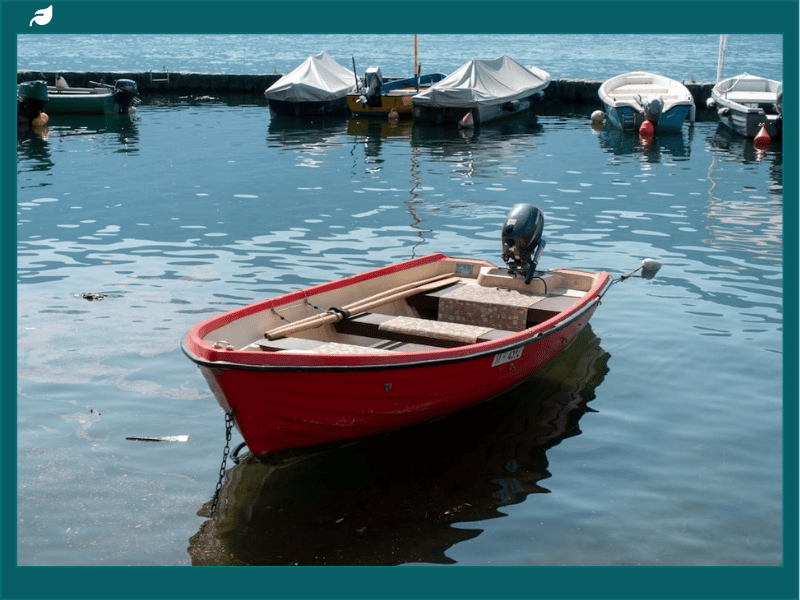
The scale is smaller than many assume. Recreational boats account for less than 0.1% of global greenhouse gas emissions, yet the industry is not waiting. In the United States, family-run dealers such as Avalanche Motors in North Carolina now steer buyers toward cleaner engines and responsible use. That local layer matters as much as any factory change.
Why Does Marine Sustainability Matter Now?
Pressure is arriving from several directions at once. Governments are setting emissions targets, buyers are asking harder questions, and waterway health is under scrutiny. Businesses that ignore the shift risk both fines and lost sales.
Water adds a specific urgency. Fuel spills, two-stroke exhaust, and antifouling chemicals all reach the ecosystems boaters value most. Protecting lakes and coasts is now a commercial issue, not only an ethical one.
There is a business case too. Cleaner operations cut fuel bills, reduce waste, and appeal to a growing base of eco-minded customers. Sustainability and profit are starting to point the same way.
Local economies add another reason. Lakeside and coastal towns depend on clean water for tourism, fishing, and recreation. When boating protects those waters, it protects the businesses built around them.
What Technologies Are Driving the Change?
Several advances are reshaping how boats are powered and sold. Each targets a different part of the emissions problem.
- Electric propulsion. Battery drives suit smaller craft and short trips, cutting local emissions to near zero.
- Hybrid systems. These pair a combustion engine with electric power for range and efficiency.
- Sustainable marine fuels. Drop-in low-carbon fuels can cut propulsion emissions sharply without new engines.
- Cleaner four-stroke engines. Modern designs burn far cleaner than the two-strokes they replaced.
- Smarter hull and coating design. Better shapes and safer antifouling reduce drag and pollution.
How Much Can Cleaner Power Actually Cut?
The gains are real when the technology matches the use case. Research points to a mix of solutions rather than one winner. Short-range boats favor electric drives, while longer trips lean on cleaner fuels.
The numbers are striking. Sustainable marine fuels could cut propulsion emissions by as much as 90% by 2035, without hurting range. The electric drivetrain benefits seen in road vehicles carry over to the water, where efficiency and quiet running both improve.
Infrastructure is the missing piece for many owners. Marinas need charging points and fuel supply before cleaner boats reach their potential. Trade bodies now list charging networks as a top priority, mirroring the early days of electric cars on land.
Policy is reinforcing the trend. The UK’s maritime emissions targets set steep cuts against a 2008 baseline, aiming for zero by 2050. Similar signals in the United States are pushing manufacturers to plan ahead.
What Role Do Dealers and Buyers Play?
Factories can build cleaner boats, but dealers put them in customers’ hands. A knowledgeable dealer explains fuel options, maintenance, and disposal in plain terms. That guidance shapes how a boat performs for its whole life.
Buyers can lower their own footprint with a few habits:
- Choose the cleanest engine that fits the intended use.
- Keep up with servicing so the motor runs efficiently.
- Prevent spills when fueling and follow pump-out rules.
- Recycle old batteries and worn parts through the dealer.
Buyers hold real power too. Choosing a cleaner engine, maintaining it well, and following no-wake and fueling rules all cut impact. The electric car shift shows how fast demand can move a market once buyers commit.
Service matters after the sale as well. Proper winterization, spill prevention, and battery recycling keep the gains from leaking away. Dealers who build these habits into their advice earn loyalty and protect the water.
The used market plays a quiet role too. A well-maintained trade-in keeps an efficient engine in service longer and out of landfill. Dealers who service and resell responsibly stretch the value of every boat they sell.
Does Going Green Make Business Sense?
For dealers and marinas, sustainability increasingly pays. Efficient operations trim costs, and green credentials draw a widening customer base. The same business case that drives green building applies to marine retail.
Early movers also manage risk. Tightening rules on engines and fuels will reach every dealer eventually. Those who adapt now avoid a scramble later and shape their reputation on their own terms.
What to Take Away
- Recreational boating is under real pressure to cut emissions and protect water.
- Electric, hybrid, and sustainable-fuel options each fit different boating needs.
- Sustainable marine fuels could cut propulsion emissions up to 90% by 2035.
- Policy targets, including the UK’s 2050 goal, are accelerating the shift.
- Dealers and buyers shape a boat’s real-world footprint through choices and upkeep.
- Cleaner operations increasingly lower costs and win customers.
The Course Ahead for Boating
The marine and powersports sector is charting a cleaner course without losing the joy of being on the water. Better engines, cleaner fuels, and informed dealers are moving the industry forward together. The businesses that lead now will define the next decade of boating.
FAQ
Are Electric Boats Practical Yet?
For smaller craft and short trips, electric boats are already practical and quiet. Range remains a limit for long-distance use. Many buyers pair electric power with cleaner fuels for flexibility. Charging access at marinas is improving steadily each year.
Do Sustainable Marine Fuels Need New Engines?
Many low-carbon marine fuels are designed as drop-in replacements. They work in existing engines with little or no modification. This lets owners cut emissions without buying a new boat.
How Can Boaters Reduce Their Impact?
Maintain the engine, prevent fuel spills, and follow no-wake and pump-out rules. Choosing a cleaner engine at purchase has the biggest long-term effect. Small habits add up across a boating season.
Why Should a Dealer Care About Sustainability?
Cleaner operations cut costs and appeal to a growing group of buyers. Tighter emissions rules are coming for the whole sector. Dealers who adapt early protect both profit and reputation.