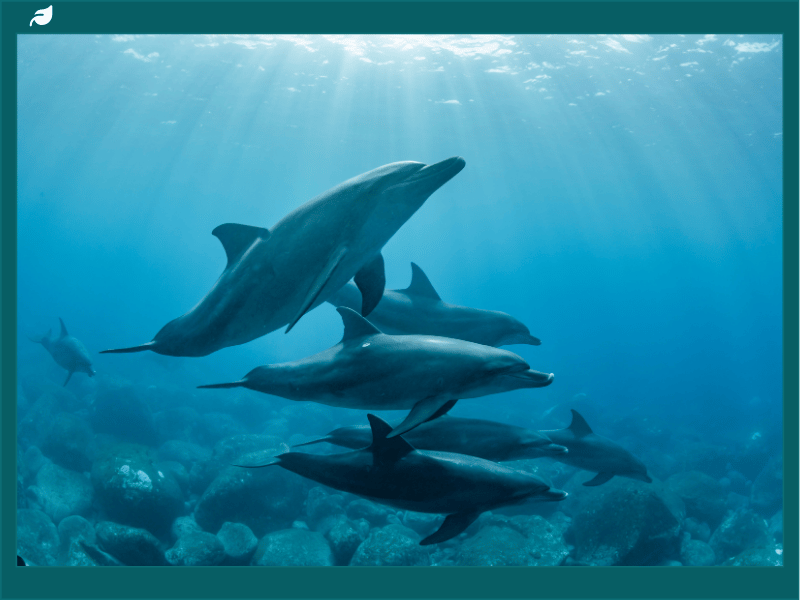
The growing fascination with dolphins and their remarkable intelligence has led many people to wonder about communicating with these marine mammals. Questions naturally arise about the legal implications of such interactions. The legality of talking to dolphins sits at a delicate intersection between human curiosity and the genuine need for wildlife protection. By examining the relevant legal frameworks and ethical considerations, we can better understand the boundaries and responsibilities that govern our interactions with dolphins in both natural and controlled environments.
Understanding Dolphin Interaction and Communication
Dolphins captivate the public with their intelligence and communicative abilities, which are unique among marine species. Their social interactions and complex communication systems are major areas of focus in dolphin research. This section explores how dolphins communicate and what science has revealed about their sophisticated social behaviour. Understanding these aspects gives us useful knowledge about how dolphins interact within their marine habitats and with humans.
As we go deeper into dolphin communication and social structures, it becomes clear how these factors connect to the broader study of marine life and species conservation.
How Do Dolphins Communicate?
Dolphins communicate through a combination of sounds, body language, and echolocation. Bottlenose dolphins, for instance, are well known for their dynamic vocalisations: clicks, whistles, and pulsed sounds. These auditory signals serve various functions, from social bonding to navigation and hunting within their marine habitat. The science of dolphin communication shows the complexity of these sounds, each carrying different meanings that can denote a dolphin’s identity or signal distress.
Non-verbal gestures, including fin touches and leaping, complement their vocal expressions. Taken together, dolphins have a broad behavioural repertoire that allows them to communicate efficiently.
From a research perspective, understanding these communication methods provides insights into dolphin intelligence and social structures. It allows scientists to assess how dolphins interact with one another and with humans. Dolphins are highly social creatures, living in pods that require close communication for coordination and social cohesion. Studying their communicative skills not only points to their intelligence but also helps in developing effective conservation strategies.
As researchers decode the nuances of dolphin communication, a clearer picture emerges of how closely these marine species resemble humans in social communication, which only strengthens the argument for protecting them against threats like feeding disruption and habitat loss.
The Science Behind Dolphin Social Behavior
The social behaviour of dolphins is a rich subject that continues to drive marine research and broaden our understanding of species interaction. Dolphins, particularly the bottlenose species, thrive in highly social networks defined by complex relationships and hierarchical structures. Dolphin research shows that social bonds are central to survival, shaping group dynamics, reproduction, and cooperative behaviours such as hunting. Communication is essential to this, and dolphins use vocalisations not just for basic contact but as tools for maintaining social harmony within the group.
Beyond vocal signals, dolphins exhibit behaviours that reflect deep social connections, such as synchronised swimming and coordinated movements. These suggest a real level of empathy and shared understanding within groups. Such behaviours allow dolphins to manage group activities like foraging and defending one another from predators. Dolphins also engage in teaching and learning interactions, passing knowledge across generations.
Scientific insights into dolphin behaviour carry significant weight for conservation efforts. Understanding how dolphins interact within their environments informs us about how human activities like feeding, habitat encroachment, and noise pollution affect their natural behaviours. There’s a real need to ensure marine conservation policies reflect these findings. By translating scientific knowledge into practical conservation strategies, we can better protect marine life and give dolphin populations a better chance of flourishing in their natural habitats.
Legal Aspects of Dolphin Interaction
Humans’ fascination with dolphins often leads to interactions that raise legal questions, particularly around communication and its potential impact on these marine mammals. This section examines whether it’s illegal to talk to dolphins, covering key regulations such as the Marine Mammal Protection Act (MMPA). Understanding the federal laws governing dolphin interactions is important for ensuring their protection and conservation. With guidance from NOAA Fisheries and other organisations, we look at how species protection is balanced against public interest, and what activities might cross the line into harassment under current legal frameworks.
Is It Illegal to Talk to Dolphins?
The question of whether it’s illegal to talk to dolphins touches on both legal and ethical dimensions of marine interaction. Under federal law, simply speaking to dolphins is not deemed illegal. However, the context and nature of the interaction can raise legal concerns. The primary legislation here is the Marine Mammal Protection Act (MMPA), which covers all marine mammal species.
Under the MMPA, any act that can be construed as harassment, including actions that disrupt dolphins’ normal behaviours, can be unlawful. Attempting to engage with dolphins in a way that causes stress or behavioural changes could fall under this definition. The intent matters, but so does the outcome. The law aims to ensure that human actions don’t negatively affect dolphins’ well-being or their natural habitat.
NOAA Fisheries plays a significant role in overseeing these interactions, providing guidelines to both the public and researchers. Their regulations aim to prevent actions that could be harmful or disruptive to dolphins. The distinction lies in the impact rather than the mere act of talking. Researchers conducting dolphin research must follow stringent protocols to ensure non-invasive study methods.
For the general public, it’s important to recognise that seemingly harmless actions can have unintended consequences on these intelligent marine species. Conversations with dolphins that stay within their natural behaviour zones aren’t outright forbidden, but any interaction that risks distressing them or altering their natural behaviour could be considered illegal.
- Always maintain a respectful distance to avoid disturbing their natural behaviours.
- Don’t feed or attempt to attract dolphins with food.
- Observe dolphins without trying to touch or handle them.
- Support organisations and regulations aimed at protecting marine habitats.
- Educate yourself on local and international laws governing marine wildlife.
- Use reputable, licensed operators for activities like dolphin watching.
- Report any illegal activities or harassment of dolphins to the relevant authorities.
Respecting these points helps protect the balance of marine ecosystems.
Exploring the Marine Mammal Protection Act (MMPA)
The Marine Mammal Protection Act (MMPA) of 1972 is a cornerstone in the effort to protect marine mammals, including dolphins, from human interference. This U.S. federal law prohibits the “take” of marine mammals, which includes harassing, hunting, capturing, or killing. The MMPA’s primary aim is to maintain the health and stability of the marine ecosystem, ensuring that population levels of marine species remain robust and sustainable.
One of its central provisions is the broad definition of harassment, which covers activities that have the potential to disturb marine mammals by causing injury or a disruption in behavioural patterns.
This provision is critical when considering any form of human interaction, including communication. The act requires that marine species, whether endangered or of least concern, are equally protected. NOAA Fisheries, tasked with implementing the MMPA, provides specific guidelines to facilitate lawful and respectful interactions with dolphins and other marine species. These guidelines apply to researchers, tourists, and anyone whose activities bring them into contact with marine environments.
NOAA provides comprehensive resources on identifying and avoiding unauthorised interactions that could constitute harassment or harm.
In the context of dolphin research, the MMPA requires scientists to obtain permits for any study involving direct interaction with dolphins. These regulations ensure that close encounters or intrusive methodologies are avoided unless expressly approved under strict ethical scrutiny. The MMPA shapes how we approach our interactions with dolphins and reinforces our responsibility towards marine conservation and sustainable practices.
The Consequences of Illegal Activities
Engaging with marine life, particularly dolphins, involves a mix of curiosity, ethics, and legal obligation. Human actions can inadvertently cross into illegal territory, especially around feeding or harassing these intelligent animals. The laws exist to preserve the integrity of marine ecosystems and protect sensitive species from the consequences of human interference. Understanding what the repercussions of illegal activities actually look like can help people make better choices when they encounter marine life.
What Happens if It’s Illegal to Feed or Harass Marine Life?
Feeding or harassing marine life doesn’t just disrupt natural behaviours. It also carries significant legal consequences. Federal laws, notably the MMPA, provide clear guidelines about what constitutes harassment and feeding. These activities are illegal because they can alter the natural behaviours and habitats of marine animals like dolphins, who are often the focus of such interactions.
Feeding changes dolphins’ foraging habits, leading them to associate humans with easy food sources. This can create dependency, leaving them more vulnerable to harm from boats or from people who don’t understand their needs. Harassment covers a wide range of behaviours, from loud noises to excessive proximity, any of which can induce stress or disrupt natural behavioural patterns.
When marine life is fed improperly or harassed, the consequences for their health and survival are real. For dolphins, these interactions can cause stress, disrupt social structures, and spread disease. The MMPA defines harassment at two levels: Level A covers acts causing injury, while Level B involves disturbances in behavioural patterns without physical harm. Those caught violating these protections face hefty fines and potentially jail time.
Protecting dolphins and marine ecosystems connects directly to conservation goals, which stress the importance of maintaining natural behaviours within ecological frameworks. Education and awareness are important parts of equipping the public with the knowledge to act sustainably. NOAA Fisheries and similar organisations provide guidelines aimed at preventing unlawful activities and promoting non-invasive, respectful engagement with marine life. Their outreach work includes educational materials targeting tourists, recreational boaters, and marine wildlife enthusiasts.
Understanding the consequences of illegal activities around marine life encourages responsible wildlife engagement. It builds respect for the legal frameworks that protect endangered and non-endangered species alike. As we look for sustainable ways to coexist with marine animals, recognising the impact of our actions matters. It’s not only about avoiding legal trouble.
It’s about creating conditions where marine species can thrive without harmful human interference.
Responsible Wildlife Viewing Practices
Engaging with marine life such as dolphins can be a genuinely enriching experience, but it requires a careful balance between curiosity and the need for wildlife preservation. Adopting responsible viewing practices keeps these interactions positive and protects the well-being of dolphins and other marine mammals. Following established guidelines allows the public to observe these animals without causing disturbances. Knowing the legal implications of inappropriate interaction also helps maintain healthy marine ecosystems and ensures these resources are protected for future generations.
Guidelines for the Public on Viewing Marine Mammals Respectfully
When observing dolphins and other marine mammals, several guidelines help ensure respectful interactions. Maintaining a safe distance is important to avoid disturbing their natural behaviours. This simple practice reduces stress for both the animals and the people watching them. Using binoculars or cameras with a zoom lens allows for close observation without direct contact, which could lead to inadvertent harassment.
When boating or kayaking, following best practices to avoid collisions or disruptive movements is just as important.
Don’t feed dolphins or any marine animals. Feeding, even with good intentions, disrupts natural foraging behaviours and can create dependency on humans. It increases the risk of injury from human-related activities and can lead to dietary imbalances and health problems. Feeding is considered a form of harassment and is prohibited under laws protecting marine mammals.
Allowing these animals to find food independently is essential to maintaining ecological balance.
Educating yourself about marine life protection laws is also worthwhile. The MMPA is a regulatory framework that many public awareness campaigns draw on, and understanding its legal boundaries helps people appreciate why these protections exist. Respecting posted signs and guidelines at wildlife reserves or coastal areas ensures compliance with local regulations designed to protect marine habitats.
Supporting marine conservation efforts matters too. This means engaging with programmes that focus on conservation education, adopting habits that reduce ocean pollution, and contributing to habitat clean-up initiatives where possible. By following these guidelines, the public supports both the protection of dolphins and broader conservation goals aimed at preserving marine biodiversity for future generations. Informed, respectful engagement allows people to appreciate the wonders of marine life while ensuring their actions meet both ethical and legal standards.
Engaging with dolphins raises ethical and legal considerations that don’t disappear simply because an encounter feels harmless. Laws exist to protect marine life from disturbance and exploitation. While the fascination with communicating with dolphins is entirely understandable, respect for wildlife and compliance with regulations must come first. Some jurisdictions have strict laws against interacting with wild dolphins, specifically to preserve their natural behaviour and habitat.
Familiarising yourself with local and international laws is important for anyone interested in dolphin encounters, so that these intelligent creatures can be enjoyed responsibly and ethically without compromising their well-being.