Digital transformation is playing a major role in how businesses approach sustainability and reduce their impact on the environment. For electrical contractors, switching to digital tools is more than a modern upgrade, but rather it’s a direct way to cut emissions, improve efficiency, and run a more sustainable business. In this sector, scheduling delays, wasted trips, and paper-heavy processes quietly add up to extra fuel usage and waste. What if changing the way jobs are managed could help solve these problems?
Let’s look at how the move from manual to digital workflows, especially with mobile scheduling and job tracking, can actively shrink your carbon footprint.
The Problem: Traditional Job Management Increases Emissions
There are over 257,000 electrical service providers operating in the US. Many still rely on paper work orders, phone calls, and manual scheduling. However, these systems can be cumbersome, energy-intensive, and error-prone. And, each missed connection often means extra trips, more idling time, and stacks of wasted paper.
These routine inefficiencies don’t just dent productivity, they also fuel unnecessary emissions and create landfill waste. For instance, when a technician makes a repeat visit to get a forgotten tool or find a customer who wasn’t home, it means more driving and more fuel burned. If calls get crossed, a two-hour job turns into a full day’s worth of driving and waiting, affecting operational efficiency and sustainability alike.
Digital Tools: Immediate Cuts to Repeat Visits and Fuel Use
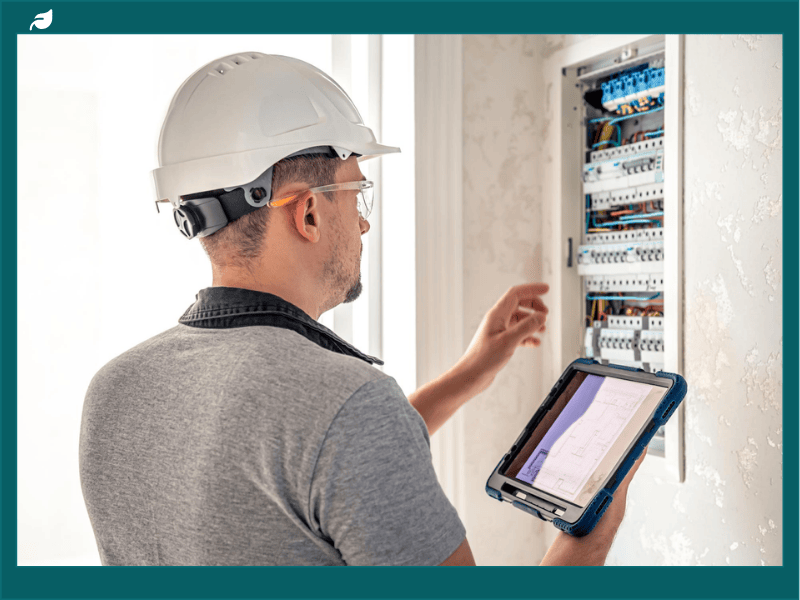
Using software for electrical contractors makes a real difference. Ad hoc systems created for the specific needs of electrical businesses in mind help centralize scheduling, automate dispatch, and allow field techs to update jobs from their phones. This isn’t just about convenience. It means contractors can:
- Reduce trips by scheduling jobs based on real-time location and staff availability.
- Avoid paper by sending digital quotes, invoices, and updates directly to clients and the team.
- Track vehicles and job progress from one dashboard.
By optimizing routes, industry-specific tools designed for electrical businesses can significantly reduce drive time and improve coordination between office staff and field technicians. Solutions like Service Fusion, a platform built as software for electrical contractors, help streamline dispatch, scheduling, and job tracking in one system—making it easier to reduce repeat visits and improve overall operational efficiency.
Going Paperless: Small Changes, Big Environmental Wins
Switching to digital work orders, invoicing, and timesheets may seem minor—but it adds up fast. The EPA notes that paper still makes up for the large majority of total landfill waste in the US. Electrical contractors regularly handle stacks of documents on every job. Moving those operations online means:
- No lost or misread work orders
- Instant, accurate records for everyone
- Less physical storage, no printing costs
Mobile apps cut the risk of errors, which helps make other swaps, like digital inspections or safety checklists, seamless. Reducing paper use isn’t just about convenience, it means less trash on every site, and less impact on forests over time.
Real-Time Tracking Creates Transparency and Fewer Repeat Visits
A key benefit of digital systems is mobile job tracking. Instead of checking in with calls or paper logs, field workers update job status from anywhere. Dispatchers see progress instantly and customers get automatic updates about arrival windows.
That transparency helps contractors make fewer errors in scheduling or materials prep—both big reasons for costly return trips. You might notice, too, that with everything stored and tracked in one cloud-based platform, it’s easier to measure your sustainability improvements across jobs.
Team Buy-In: Making Digital Workflows Stick
Adopting new software can play a role in making your fleet and workflow greener, but it isn’t always easy to implement. Start by digitizing scheduling and work orders. Train your team on one system at a time, using mobile-friendly platforms they can access in the field.
It’s best to keep communication open as the team adjusts, since real, lasting change depends on everyone seeing the real-world benefits and not just checks on a screen, but fewer wasted hours, less money spent on fuel, and tangible reductions in waste.
How Digital Workflows Reduce Emissions in Electrical Contracting
If you want to lower your business’s carbon footprint, digital workflows are an immediate, measurable step forward. By cutting down on paper waste, limiting repeat trips, and bringing scheduling into the cloud, you can cut emissions and drive a positive reputation for your company.
To learn more about how digital transformation is unlocking greener business practices, check out our other articles with actionable tips and industry insights at sustainablebusinessmagazine.net.