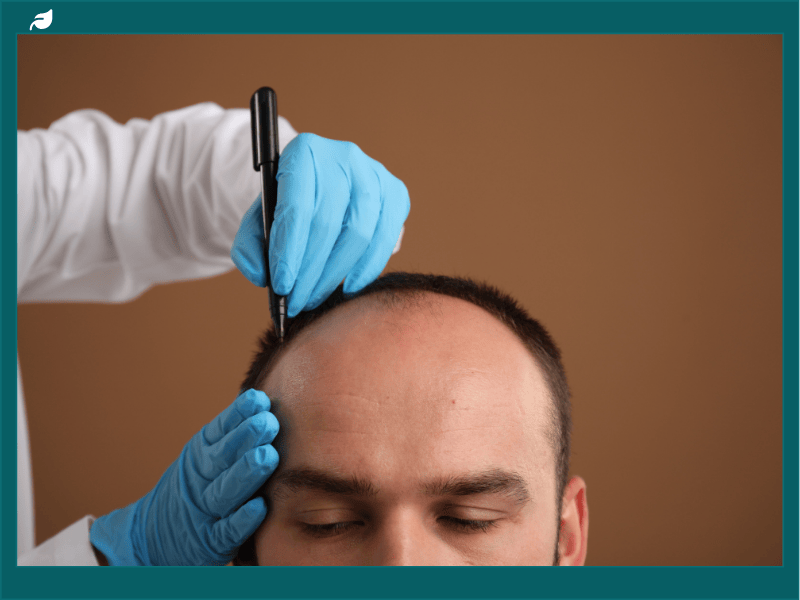
The methods of hair transplantation—FUE, FUT, and DHI—have evolved significantly, not only in terms of patient outcomes but also in their environmental and operational footprint. Modern clinics increasingly recognize the importance of sustainable healthcare practices, integrating energy-efficient technologies, responsible waste disposal, and eco-friendly surgical supplies into their operations. These initiatives align with ESG (Environmental, Social, and Governance) principles, ensuring that patient care does not come at the expense of the planet.
Sustainable Post-Procedure Care
While patient recovery remains a priority, responsible clinics now emphasize eco-conscious aftercare. For example:
- Water and chemical efficiency: Specialized shampoos and saline sprays used for post-transplant care are designed to minimize water usage and avoid harmful chemicals.
- Biodegradable or recyclable products: Disposable surgical caps, gloves, and packaging are increasingly sourced from environmentally friendly materials.
- Energy-efficient facilities: LED lighting, low-energy autoclaves, and solar-powered systems reduce energy consumption without compromising hygiene standards.
Responsible Waste Management
Hair transplant procedures generate medical waste, including used syringes, gloves, and surgical dressings. Clinics implementing strict waste segregation and partnering with certified biohazard disposal services ensure that these materials do not harm the environment. Some leading centers even audit their suppliers to confirm sustainable sourcing of surgical instruments and consumables.
ESG Governance in Medical Services
Beyond environmental considerations, hair transplant providers are also embracing broader ESG practices:
- Transparent reporting on patient safety, staff training, and clinical outcomes
- Social responsibility programs supporting community health education
- Governance policies ensuring ethical sourcing, fair labor practices, and patient data protection
The Intersection of Healing and Sustainability
Even routine aspects of post-transplant care can reflect sustainability thinking:
- Clinics encourage minimal chemical usage during scalp healing.
- Reusable or recyclable towels and tools reduce single-use waste.
- Educating patients about sustainable personal care products supports long-term environmental awareness.
Conclusion
Integrating sustainable practices into hair transplant clinics benefits both patients and the environment. By combining advanced methods of hair transplantation with ESG-focused operations, clinics can deliver excellent care while modeling responsible business practices. This holistic approach ensures that medical innovation and environmental stewardship go hand in hand, setting a standard for healthcare sustainability worldwide.