By Jamie Baxter, Associate Partner, Carter Jonas
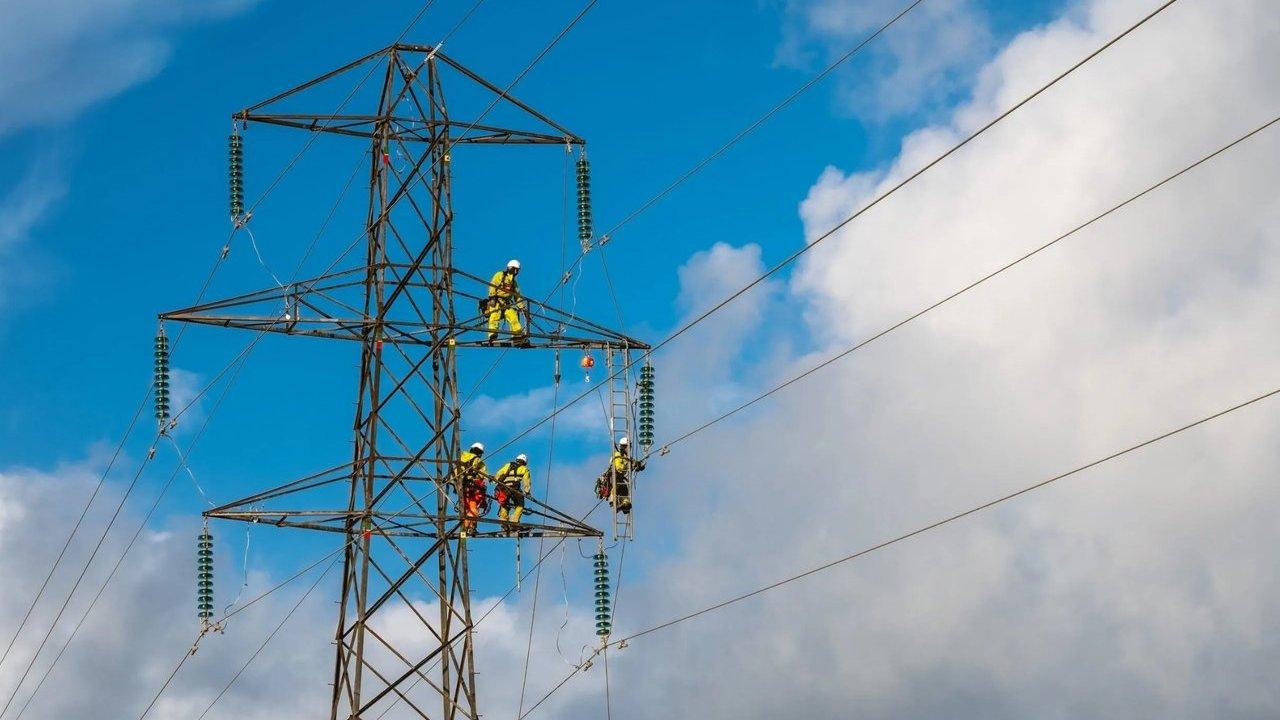
Recent changes to UK energy policy are reshaping the outlook for onshore wind, creating renewed opportunity for businesses with high energy demand to secure long-term cost efficiencies while strengthening energy resilience.
Following the change in government in July 2024, the new Labour administration has signalled a markedly more supportive stance toward renewable energy deployment. Renewable generation and enabling technologies are now positioned as central to both energy security and the UK’s net zero ambitions. Early policy decisions, including support for large-scale schemes and revised planning guidance, have been interpreted by industry as a clear shift in direction.
A key development has been the updated policy statement on onshore wind, alongside revisions to the National Planning Policy Framework. The removal of the NPPF footnote that had placed onshore wind at a relative disadvantage compared to other renewable technologies eliminates a longstanding planning barrier to new turbine installations.
The government has also committed to doubling onshore wind capacity from 15GW to 30GW by 2030. While much of this expansion is expected to come from projects in Scotland and the repowering of existing sites in England, the policy shift also has implications for commercial and industrial energy users across the country.
For sites with substantial electricity demand, the installation of a turbine either onsite or in close proximity presents an opportunity to generate power locally. Turbines typically range from 200kW to 4MW, with sizing determined by a combination of energy consumption, planning considerations and grid capacity, particularly where export constraints apply.
Electricity generated onsite offsets grid consumption, which in the current market can equate to 20 to 25 pence per kilowatt-hour. Surplus generation can be exported under a power purchase agreement, usually at 7 to 9 pence per kilowatt-hour. As a result, the financial case is strongest where a high proportion of generation can be used directly onsite, reducing exposure to retail electricity prices.
Advances in turbine technology and improved mitigation of issues relating to radar and aviation constraints are also improving viability. Sites that may previously have been ruled out on technical grounds could now warrant reassessment under the revised policy and technical landscape.
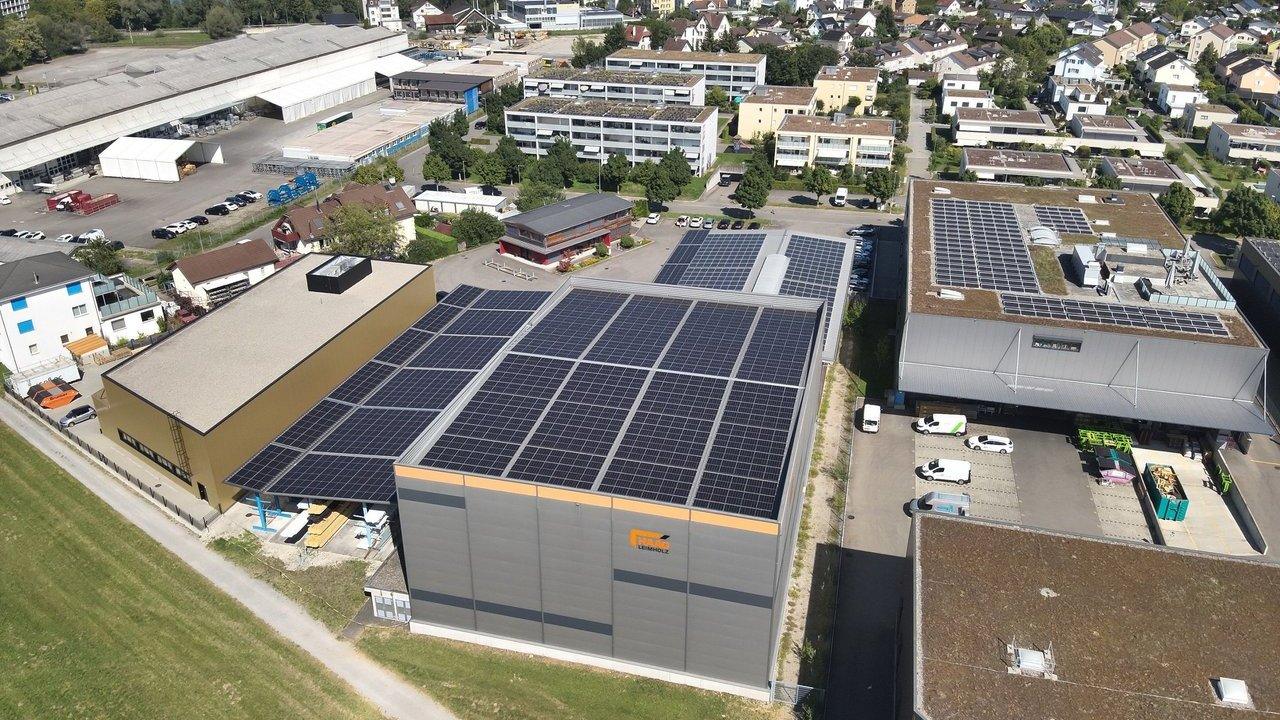
Wind generation can also complement existing solar photovoltaic installations. Many high-energy users have already invested in rooftop or ground-mounted solar, where output typically peaks during summer months. Wind turbines, by contrast, tend to generate more consistently throughout the year, with stronger output in winter. A combined approach can provide a more balanced renewable energy profile across seasons.
Battery storage may further enhance onsite use by storing excess generation for later consumption. While battery costs have declined and continue to do so, they remain significant. Their inclusion in a project is often driven by the need to maximise onsite consumption, meet internal energy security or ESG objectives, or manage limited grid export capacity.
As with all renewable technologies, location is a determining factor. Establishing local wind speeds is a fundamental first step in assessing feasibility. A 1MW turbine can typically generate between 2,500 and 3,000 megawatt-hours annually, depending on wind resource. Capital costs are generally in the range of £1.2 million to £1.4 million per megawatt, although this will vary according to site logistics, ground conditions and any required planning mitigation.
Payback periods depend heavily on the level of onsite consumption. Projects designed to minimise export and maximise direct use of generation are likely to achieve shorter returns on investment. Where export is anticipated, a power purchase agreement can provide revenue certainty, but tariff differentials reinforce the importance of appropriate system sizing.
Despite the more favourable policy environment, onshore wind projects remain subject to the full planning application process. The removal of provisions that previously allowed a single objection to block development alters the dynamics, but local authorities must still consider community views alongside the broader merits of a scheme.
Comprehensive surveys, environmental studies and a clear planning case remain essential. Constraints such as proximity to residential properties, rights of way and highways must be addressed from the outset. Where turbines are installed close to high-energy-use buildings and connected directly, the operational rationale can support the planning case by demonstrating a clear need for that location.
The shift in central government policy signals renewed momentum for onshore wind. For businesses with suitable sites and significant electricity demand, the opportunity now extends beyond participation in national generation targets. Onsite wind can provide a hedge against volatile energy markets, deliver long-term cost reductions and contribute to corporate decarbonisation objectives.
As planning and technical barriers ease, organisations that reassess their estates in light of the updated policy framework may find that onshore wind has become a viable component of their energy strategy.