New Performance Plus framework targets reliability, downtime and sustainability
John Crane, the rotating equipment solutions specialist and part of Smiths Group plc, has launched Performance Plus, a modular service framework designed to help industrial operators reduce downtime, improve equipment performance and advance their sustainability commitments.
The launch comes at a time when the manufacturing and energy sectors face intensifying pressure to manage ageing assets, meet stricter emissions rules and stabilise operations in the face of volatile economic conditions. Industry analysis illustrates the scale of the challenge. Deloitte estimates that unplanned downtime costs manufacturers about 50 billion dollars annually, with equipment failures responsible for more than 40 percent of those losses.
Philippe Lambert, Vice President of Commercial and Service at John Crane, says the company is shifting its role to meet these realities head on.
“We are evolving from a supplier of components to a strategic partner in performance. The focus is on measurable outcomes, increased uptime, safer operations and a lower emissions and total cost profile across the asset lifecycle,” he said.
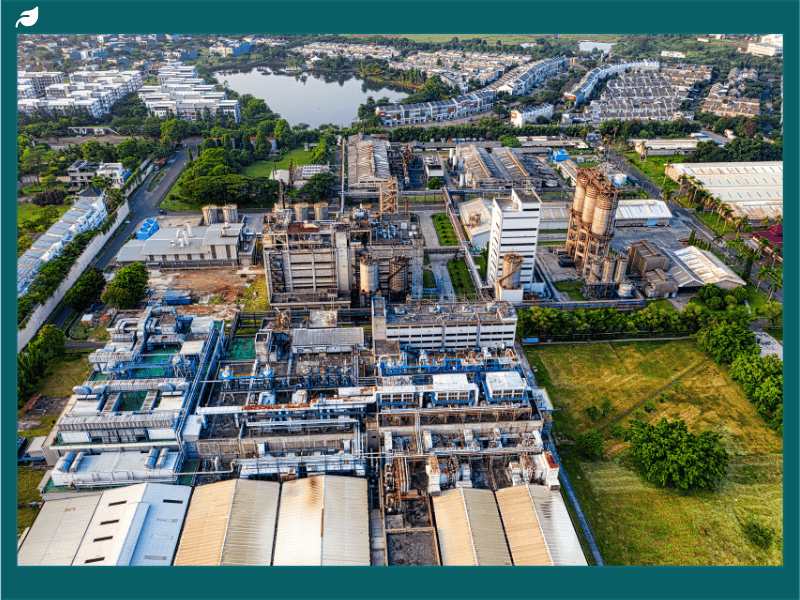
Performance Plus is designed to bring structure to reliability improvement in sectors where rotating equipment is mission critical. Energy producers, chemical manufacturers, water utilities and other process industries depend on seals, couplings and filtration systems for safe and stable operation. Failures can trigger shutdowns, safety risks and emissions spikes, making the case for predictive and data informed maintenance increasingly clear.
A new architecture for modern servicing
The launch of Performance Plus formalises an approach that John Crane’s service teams have been developing across global markets. The company operates more than 200 facilities in 50 countries, giving it close proximity to operators who need rapid support and regionally informed expertise.
The framework unifies several components:
- Data driven monitoring of rotating equipment
- Consultancy and engineering support focused on reliability
- Training and workforce upskilling to embed long term resilience
- Seal Reliability Management contracts, which function as long term agreements centred on continuous improvement
This combination is designed to help customers shift their maintenance strategies from reactive to predictive. In industries where equipment failures can halt production, this shift is increasingly seen as essential to both operational stability and carbon reduction.
A central feature is the integration of John Crane Sense Turbo, an advanced diagnostics tool that enables remote monitoring of turbomachinery. The technology has already logged more than one million hours of active monitoring in the field, offering real world insight into the condition of assets. Predictive analytics aim to give operators the ability to intervene before failures develop, reducing outages and limiting the environmental and financial impact of equipment malfunction.
Alongside the digital tools, the framework emphasises hands on engineering support. Technical specialists work with site teams to interpret data, streamline decision making and align maintenance strategies with operational risk, asset age and production demands. For many industrial operators, this type of hybrid digital and human model reflects a broader shift occurring across the maintenance landscape.
Reliability as a sustainability enabler
While downtime reduction is a major driver of interest in the new framework, John Crane positions Performance Plus as equally relevant to climate goals. Rotating equipment failures can lead to fugitive emissions, energy waste and safety incidents, all of which attract increased scrutiny under tightening regulations.
For companies working to meet emissions reduction commitments, improving the reliability of seals and related equipment is one of the most direct ways to avoid unplanned leaks or breakdowns. This connection between reliability and environmental performance is gaining attention as industries explore how operational excellence can support sustainability strategy.
Training plays a role in this. The Performance Plus framework includes upskilling programmes to ensure in house teams understand diagnostic data, can identify early indicators of equipment stress and maintain safe operating practices. For sectors dealing with workforce shortages and skills transition challenges, structured training is becoming an important part of long term asset planning.
Lambert says the goal is to break down silos that typically separate servicing, engineering and digital solutions.
“Industry servicing shouldn’t exist in silos. John Crane Performance Plus delivers an integrated, customer centric approach that brings together smart technology, data insights and human expertise to keep operations running smoothly, reliably, safely and sustainably. That’s what service excellence looks like in the modern era.”
Responding to industry wide pressures
Industrial operators are confronting several simultaneous challenges. Energy transition policies are reshaping operating environments. Global supply chain volatility continues to affect maintenance planning. Workforce trends are increasing the demand for knowledge transfer and upskilling. Against this backdrop, servicing frameworks must adapt to help operators plan with greater certainty.
Performance Plus enters the market as companies seek solutions that are both technologically advanced and grounded in practical experience. The framework’s modular structure is designed to allow customers to scale support depending on asset age, criticality and risk exposure.
Experts across the maintenance sector note that remote monitoring has become a cornerstone of asset strategy. The challenge lies in translating data into action and integrating it into day to day routines. By combining advanced diagnostics with regional service centres, the framework aims to close this gap.
A broader shift in service expectations
The introduction of Performance Plus reflects a bigger trend across industrial supply chains. Manufacturers and energy producers increasingly expect service providers to deliver measurable outcomes rather than transactional component replacement. This includes commitments to reducing incidents, improving operational efficiency and aligning maintenance plans with sustainability targets.
John Crane positions the new framework as a response to this shift. With its global footprint and sector specific expertise, the company aims to support operators navigating complex compliance landscapes and increasing pressure to document maintenance linked emissions reductions.
The company continues to provide mechanical seals, couplings and filtration technology as its core offering, but the service evolution signals how digital capabilities and engineering support are becoming central to industrial resilience.
Looking ahead
As industries transition toward more efficient and lower carbon operations, frameworks like Performance Plus represent a growing convergence between maintenance strategy, digital transformation and sustainability planning. Manufacturers are expected to face stricter operational and reporting requirements, raising the importance of equipment reliability and transparent data.
For operators, the broader question is how to integrate monitoring, maintenance and training into a cohesive long term strategy. John Crane’s new framework suggests that service providers will play an increasingly important role in that transition, offering both technology and practical guidance to help companies reduce risk and build resilience.
More details are available at johncrane.com/performance