Do you have a growing collection of old keys sitting in drawers? From house keys and older car keys to unwanted smart key fobs and transponder keys, it’s easy to end up with piles of metal and plastic that no longer serve any purpose. Before tossing them in the general waste bin, consider their potential value as scrap metal, DIY materials, or charitable donations. Whether you own a spare key for an older model car or have a mixed batch of key fobs, there are plenty of good ways to recycle them responsibly.
Why We Accumulate So Many Keys
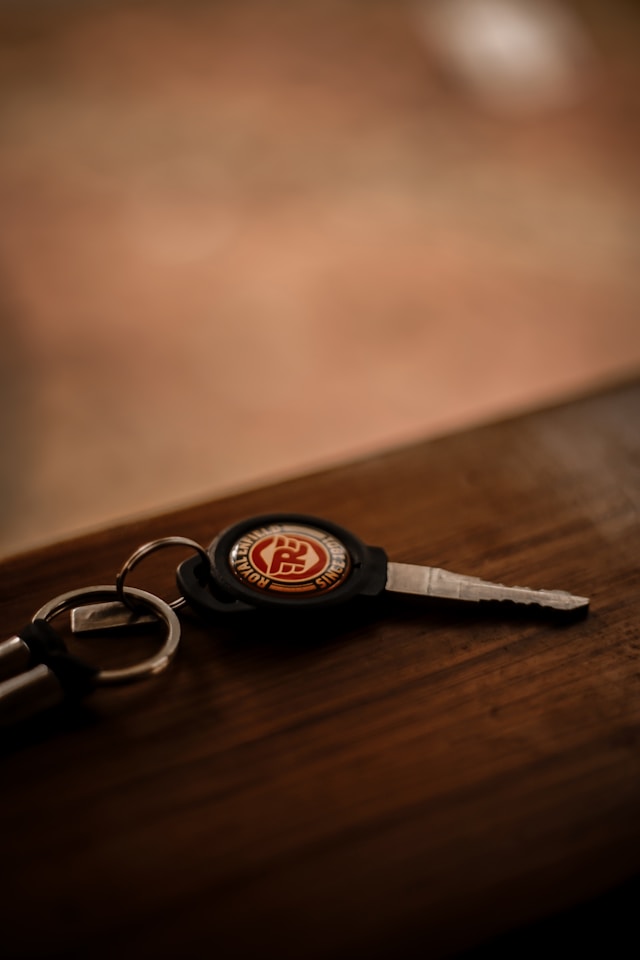
It’s common to end up with a lot of keys over the years. You might have changed a lock and never discarded the old keys, or upgraded your vehicle and kept older car keys and fobs. The result? A drawer stuffed with a mix of house keys, auto keys, and possibly circuit board–equipped transponder keys.
- Security Concerns: Unwanted car keys or a misplaced key fob could cause risk if they still match an existing vehicle.
- Household Clutter: Bulky sets of keys and fobs take up space, especially if they no longer serve a purpose.
- Environmental Impact: Throwing keys in the trash contributes to landfills. Many of these items contain metals or electronics that could be recycled or repurposed.
Understanding Different Types of Keys and Fobs
To decide how best to dispose of old keys, it helps to know the basic categories:
- Standard Keys: Traditional metal items, such as house or older car keys, often made from brass, steel, or nickel silver.
- Transponder Keys: Include a small chip that communicates with the vehicle’s security system.
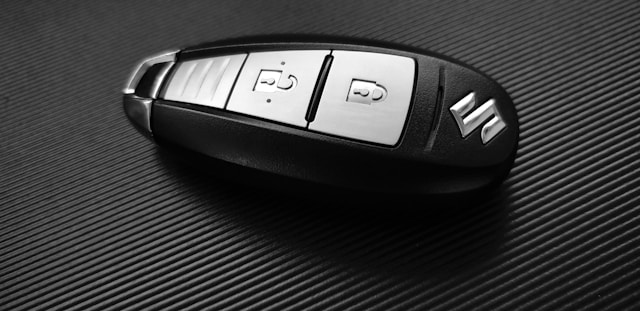
- Smart Keys and Modern Fobs: Offer features like keyless entry systems, remote start, or other electronic functions.
- Remote Heads: Look like basic keys with a remote head that controls car doors or trunk release.
Each type may require unique handling. Standard metal keys can go to a local recycling center or scrap yard, while key fobs must be treated as electronic waste.
Recycling Options for Metal Keys
Local Recycling Center
Many recycling facilities accept metal keys if you separate them from any plastic parts. Ask about a mixed metals bin and confirm whether your center takes nickel silver or brass.
Scrap Yards
If you have a large number of older car keys or house keys, you might collect enough metal to justify a trip to the scrap yard. Though the value of old car keys is usually low, it could be worth the short drive if you’re recycling other light items at the same time.
DIY Projects
Old metal keys are perfect for creative projects:
- Wind Chimes: Create a charming outdoor accent by hanging winged keys from wire or string.
- Decorative Frames: Glue keys around a mirror or photo frame for a rustic look.
- Jewelry: Transform a sentimental house key into a unique necklace pendant.
These DIY ideas can breathe new life into ordinary metal keys, turning them into interesting conversation pieces.
Dealing with Smart Keys and Key Fobs
Modern key fobs contain electronic components and often a small circuit board, so recycling them is more involved:
- Remove the Battery: Key fobs usually have a lithium-ion or button-cell battery. Take it out and recycle it separately at an electronics store or other facility that accepts small batteries.
- Disassemble the Fob: If you can, remove the circuit board before disposing of the plastic shell. Many electronic waste programs won’t accept items unless you separate these parts.
- Donate or Sell: If the fob still works, consider donating it to charitable organizations or listing it on online platforms. It might help someone who needs a replacement key fob for older models.
Always verify local e-waste rules to ensure proper disposal. Simply dropping an electronic fob in a standard recycling bin could cause harm to the environment.
Donating Old Keys and Fobs to Charitable Causes
Some charities collect old metal keys for fundraising efforts. They melt them down for scrap metal and use the proceeds to support various programs. If you have usable key fobs, these organizations or community groups may also accept them for individuals who need a spare key.
This approach keeps your unwanted items out of landfills and contributes to a charitable cause. Look for local or national initiatives that accept keys—especially if you’ve accumulated a big batch over the years.
Selling Used or Older Car Keys and Fobs
You might be surprised to learn there’s a market for unwanted car keys and fobs:
- Collectors: Enthusiasts of classic cars often look for original fobs, as new-car dealers might not carry them anymore.
- DIY Car Owners: Someone who lost a key fob might be happy to buy a working unit at a lower price.
Be sure there are no legal issues with selling keys. If they still match a vehicle in your possession, deactivate or reprogram your locks before selling.
Key Replacement and Modern Technologies
Costs and Considerations
Losing a newer key fob or transponder key can mean a high replacement cost. Car manufacturers and new-car dealers often charge a premium for advanced features like remote start or keyless entry systems. If you need a new set, consult an automotive locksmith, who might offer a more affordable option—especially if your vehicle is an older model. Always confirm the year of the vehicle and type of key required to avoid buying the wrong key.
Security Tips
If you suspect a misplaced fob or transponder key could still start your vehicle, contact a locksmith or dealer to ensure it’s deactivated. This step can help prevent theft or unauthorized access.
Choosing the Best Way to Recycle or Repurpose
Not sure where to start?
- Check Your Key Type: Is it a standard metal key, a transponder, or a smart key fob? Each type might need a different approach.
- Evaluate Condition: Does it still work? Donating might be more useful than recycling if it’s functional.
- Quantity: A small handful might be best for a local metals bin, but a large collection could yield a bit of cash at a scrap yard.
Taking a little time to figure out the right path for your old keys ensures they’ll be handled responsibly.
Safe Storage and Organization
- Label Spares: If you hold onto a spare key, mark it clearly to avoid confusing it with obsolete ones.
- Use a Lockbox: For sentimental keys, a lockbox or safe place prevents loss or accidental mixing with current sets.
- Prevent Unintended Use: Ask an automotive locksmith to confirm any old key fobs aren’t still programmed to a vehicle you own.
Creative Ways to Reuse Metal Keys
- Home Décor: Attach keys to a wreath or wooden board for a rustic display. Some people even create a decorative “tree” from holiday ornaments and keys.
- Garden Markers: Turn house keys into plant labels by writing the name of the herb or flower on each key.
- Mini Sculptures: Combine keys with scrap metal to form small statues or wall art.
- Ornamental Gifts: Use a special key from a memorable time—like an original key from a car you loved—and give it as a keepsake.
These projects let you transform everyday objects into art while clearing clutter from your space.
Internal Links for Further Reading
- Find more information on cost-effective key replacement options here.
- Explore other eco-friendly ways to handle automotive accessories.
Maximizing the Value of Old Keys
When you’re finally ready to get rid of your old metal keys, transponder keys, or unwanted fobs, think about the potential benefits. Recycling them as scrap metal helps the environment, while donating them may support charitable causes. A few minutes of research could turn your junk drawer into an opportunity for creative upcycling or a small source of extra cash.
Perhaps you have a lost key fob or older remote head that someone else desperately needs. By listing it online or donating it locally, you help reduce waste and might assist someone who’s been searching for a specific model or brand. Meanwhile, if you need a replacement key yourself, remember that automotive locksmiths, car manufacturers, and new-car dealers each have pros and cons when it comes to cost and compatibility.
Recycling and reusing old keys fosters a more sustainable lifestyle. Rather than discarding objects made from valuable materials, you’re choosing to give them new purpose—whether as part of a DIY project, a donation, or a sale that puts them into the hands of someone who can use them. If that drawer full of older car keys, house keys, and random key fobs has been bothering you, there’s no better time to clear it out in a responsible way.
Ready to take action? Start by gathering all your keys, sorting them by type, and removing any extra plastic rings or attachments. Look up local recycling guidelines for metals and e-waste. If you have a particularly special key—maybe from the first car you ever owned—consider using it in a fun DIY project or keeping it in a memory box. Everything else can find its next life in a recycling center, a charity, or as a useful spare for someone else. It’s a small but meaningful step toward reducing clutter and promoting reuse in everyday life.