Riversimple is redefining how rural healthcare providers approach sustainable transportation with their innovative hydrogen fuel cell vehicles. Their latest success story involves the NHS Highland, Scotland’s largest health board covering remote and rural communities across the Highlands and Islands. By deploying a fleet of Riversimple’s Rasa hydrogen cars for community healthcare visits, NHS Highland has achieved remarkable sustainability goals while maintaining essential patient care services, demonstrating zero-emission mobility solutions can work effectively in challenging rural environments.
Zero Emission Healthcare Mobility
This project highlights how hydrogen fuel cell technology can be integrated into critical public services. NHS Highland, which have long prioritised patient access in remote locations, now have the tools to take their environmental commitments further while ensuring healthcare professionals can reach patients across vast rural territories. The hydrogen vehicles provide reliable transportation with extended range capabilities essential for covering the expansive Highland region.
The deployment represents a significant step forward for sustainable healthcare logistics. Unlike battery electric vehicles that may struggle with range limitations in remote areas, hydrogen fuel cells offer rapid refuelling and consistent performance across Scotland’s challenging terrain and weather conditions.
Tailored Solutions for Rural Challenges
Riversimple’s success with NHS Highland stems from their understanding of rural healthcare mobility requirements. The Rasa vehicles were specifically designed for efficiency and reliability, weighing just 580kg and achieving exceptional fuel economy. This lightweight construction makes them ideal for navigating Highland roads while delivering the 300-mile range needed for extensive community visits.
The hydrogen fuel cell powertrain eliminates range anxiety common with battery electric alternatives, allowing healthcare professionals to focus on patient care rather than charging logistics. Each vehicle produces only water vapour as exhaust, contributing zero local emissions to the pristine Highland environment.
Circular Economy Innovation
The partnership demonstrates Riversimple’s innovative service model approach to sustainable mobility. Rather than traditional vehicle sales, the company operates a service-based system where customers pay per mile for complete mobility solutions including maintenance, insurance, and fuel. This circular economy model aligns perfectly with public sector sustainability objectives while reducing operational complexity for healthcare providers.
The service model ensures vehicles remain in optimal condition throughout their lifecycle, maximising efficiency and minimising environmental impact. By retaining ownership, Riversimple can guarantee end-of-life recycling and component recovery, creating a truly circular approach to automotive manufacturing.
Hydrogen Infrastructure Development
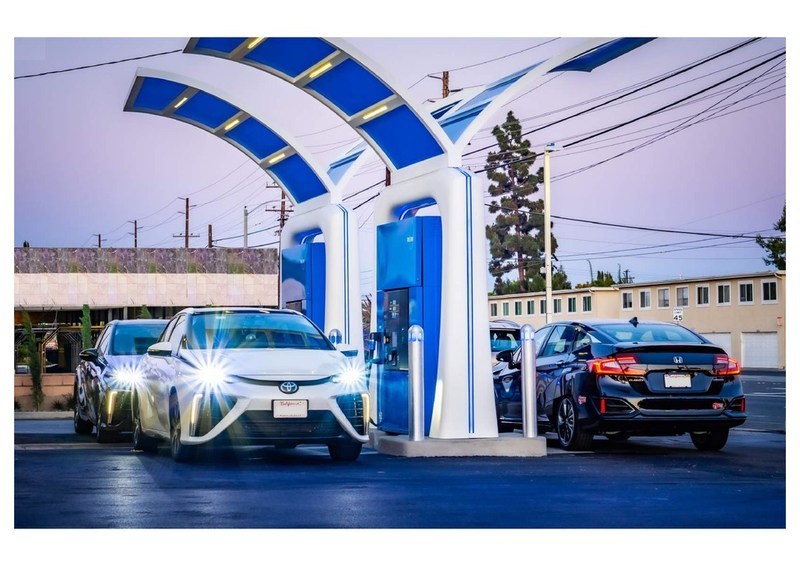
The NHS Highland deployment contributes to expanding hydrogen infrastructure across rural Scotland. The project supports the Scottish Government’s hydrogen strategy while proving commercial viability for fuel cell vehicles in challenging operational environments. Each successful deployment strengthens the business case for additional hydrogen refuelling stations, creating a positive cycle for zero-emission transportation adoption.
The installation of hydrogen refuelling capability in Highland regions represents infrastructure investment that benefits multiple sectors beyond healthcare. Emergency services, rural businesses, and private vehicle owners can all potentially access the same clean fuel infrastructure, multiplying the environmental and economic benefits of the initial healthcare deployment.
A Model for Public Sector Transformation
The collaboration between Riversimple and NHS Highland serves as a compelling example for other public sector organisations seeking to reduce their environmental impact while maintaining service delivery. It demonstrates that hydrogen fuel cell technology offers practical solutions for rural and remote operations where charging infrastructure remains limited. By proving zero-emission vehicles can meet demanding rural healthcare requirements, this project paves the way for broader public sector adoption of clean transportation technologies.