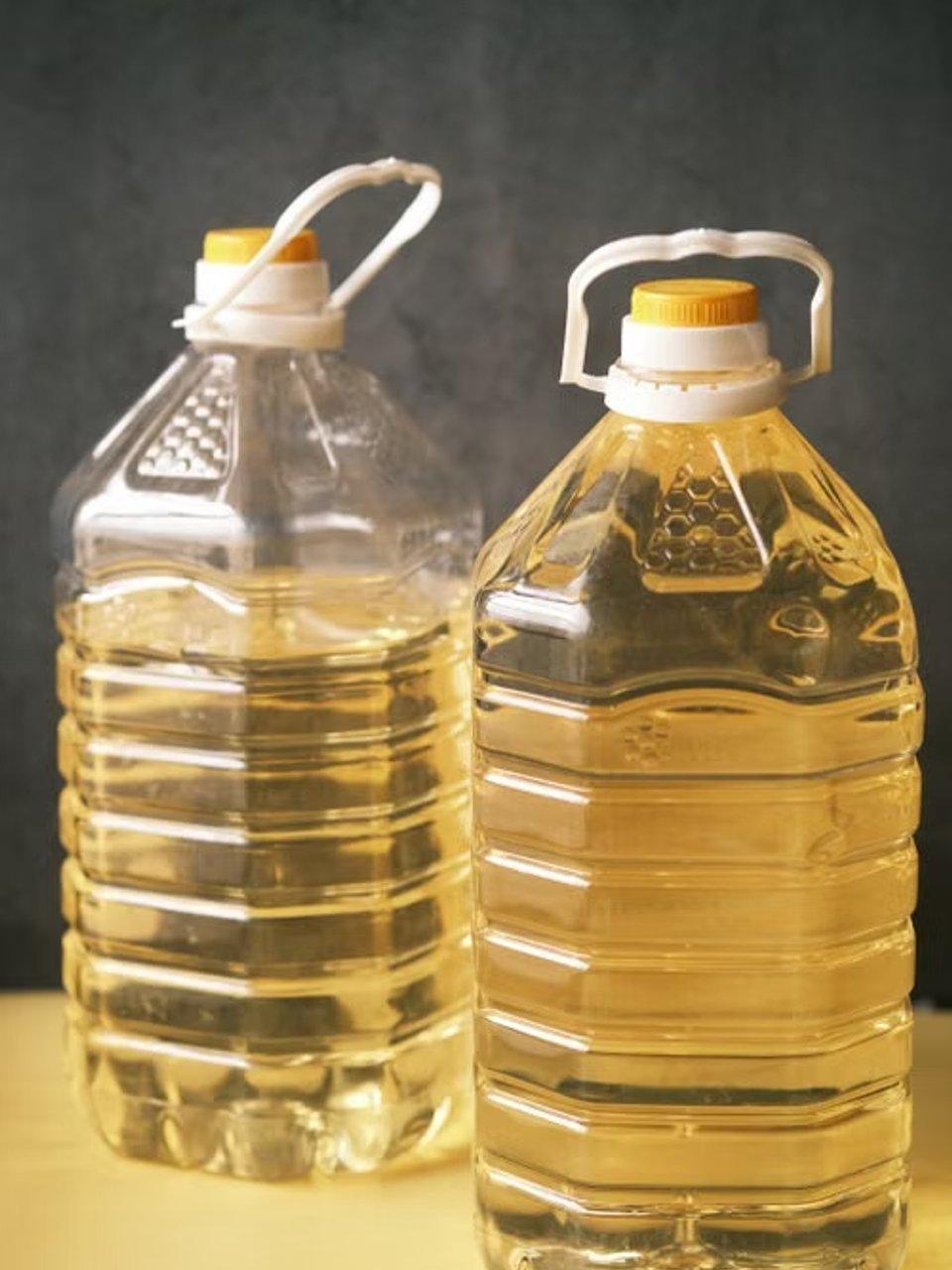
Business Waste is urging restaurants and takeaways to strengthen controls around used cooking oil following a reported theft in Worksop, Nottinghamshire. Two men were arrested after police stopped a van carrying several drums of suspected stolen oil, following a report of theft in the early hours of 29 September. The warning comes as used cooking oil accounted for 46% of renewable fuel verified in the UK in 2024 and was used to make 81% of the country’s biodiesel supply. Business Waste says more secure storage, clearer collection procedures and robust waste records could make stolen material harder to re-enter legitimate supply chains.
A Valuable Waste Stream
Used cooking oil has become an important feedstock beyond commercial kitchens. It is widely processed into renewable transport fuels including biodiesel and hydrotreated vegetable oil, creating a recognised market for material that might otherwise be viewed simply as a waste product.
Government Renewable Transport Fuel Obligation statistics show the scale of that market. For hospitality businesses, this means waste oil can have commercial value, either through direct payment or credits from a waste provider. Its loss can affect both revenue and waste-management arrangements.
The reported Nottinghamshire incident is part of a wider pattern. Police Scotland recorded 178 reported thefts between April and October 2025, with catering businesses estimated to have lost around £20,000. Other cases have been reported in Suffolk and elsewhere in the UK, illustrating that theft is not confined to a single area.
Securing Restaurant Collections
Practical on-site measures can reduce opportunities for theft. Business Waste recommends storing oil containers in locked areas where possible, supported by CCTV, lighting or alarms around outdoor storage. Such measures are also consistent with crime-prevention guidance for hospitality businesses.
Staff awareness is equally important. Teams responsible for waste should know the identity of their regular collection provider, the usual collection pattern and the approximate volume of oil held on site. Unexpected visitors, unfamiliar vehicles or drivers, damaged locks and disturbed containers should all prompt checks before oil is released.
A sudden reduction in the amount of oil stored between scheduled collections can also provide an early warning. Clear internal procedures allow businesses to query irregular collections with their usual provider rather than relying on informal assurances at the point of collection.
Checking The Supply Chain
The issue does not end at the point of theft. Used cooking oil may be re-sold, which makes due diligence among buyers, processors, collectors and waste sites an important part of preventing material from being absorbed into legitimate routes.
Businesses receiving oil can ask suppliers to demonstrate its origin and confirm that the organisation or individual moving it is authorised to handle waste. Large volumes from unfamiliar suppliers, unclear information about collection arrangements and absent paperwork may all warrant closer scrutiny.
UK businesses also have a duty to ensure waste is passed to an authorised person under the Government’s waste duty of care code of practice. In England and Wales, movements of non-hazardous waste generally require a waste transfer note or an equivalent record. These records can help establish a clearer chain of custody for valuable waste streams such as used cooking oil.

Mark Hall, Waste Oil Collection Expert at Business Waste, said:
“Restaurants can make used cooking oil harder to steal, but that only deals with one part of the problem.
“Stolen oil still needs a route back into the market. If businesses buying or receiving it are checking who supplied it, where it came from and whether the paperwork adds up, that makes it harder for stolen oil to simply disappear into the system.
“There are some simple checks that restaurants can do that also are the most useful. Staff should know who normally collects the oil, when they are expected and whether the amount being stored suddenly looks lower than it should.”
Digital Records Take Effect
The discussion arrives as new digital waste tracking requirements began taking effect in England and Wales on 1 October. Permitted and licensed waste sites must report the controlled waste they receive through the Government’s digital waste tracking service, recording information including the waste itself, its transporter and its recipient.
Collectors, brokers and dealers are expected to enter the system at a later stage, from October 2027. The phased introduction means the system will expand over time across the businesses involved in moving and managing waste.
Digital tracking will not prevent cooking oil theft on its own. However, better records can provide waste holders and receiving sites with stronger visibility over material flows, while helping identify inconsistencies in supply routes, transport arrangements and supporting documentation.
Protecting Circular Fuel Feedstocks
Cooking oil theft demonstrates the importance of treating commercial waste as a managed resource rather than an afterthought. The same material that supports renewable fuel production can also become a target when its value is poorly monitored between kitchen, collector and processor.
For restaurants and takeaways, secure storage and informed staff are straightforward first steps. For organisations across the waste chain, authorised handling, traceable paperwork and more complete digital records offer a practical route to greater accountability. As used cooking oil continues to contribute to the UK’s renewable fuel supply, protecting its journey from collection point to processing facility will remain central to maintaining confidence in the circular system around it.