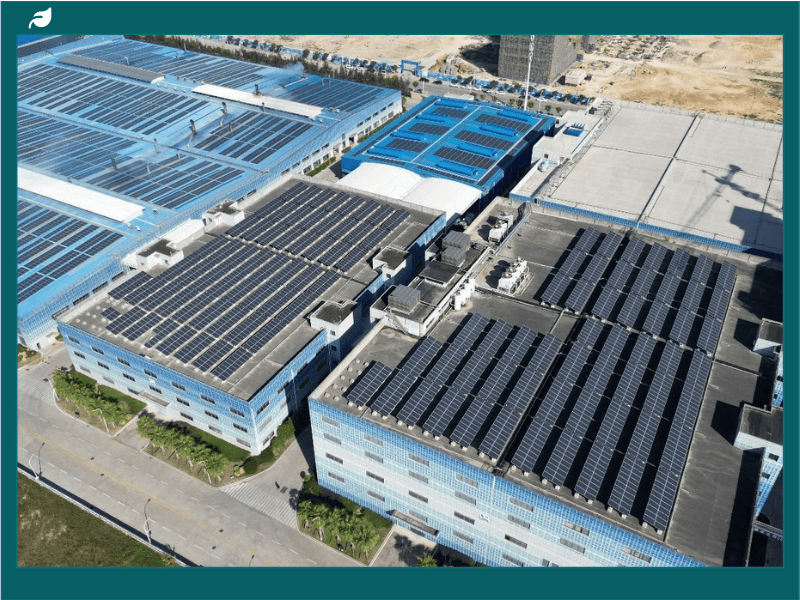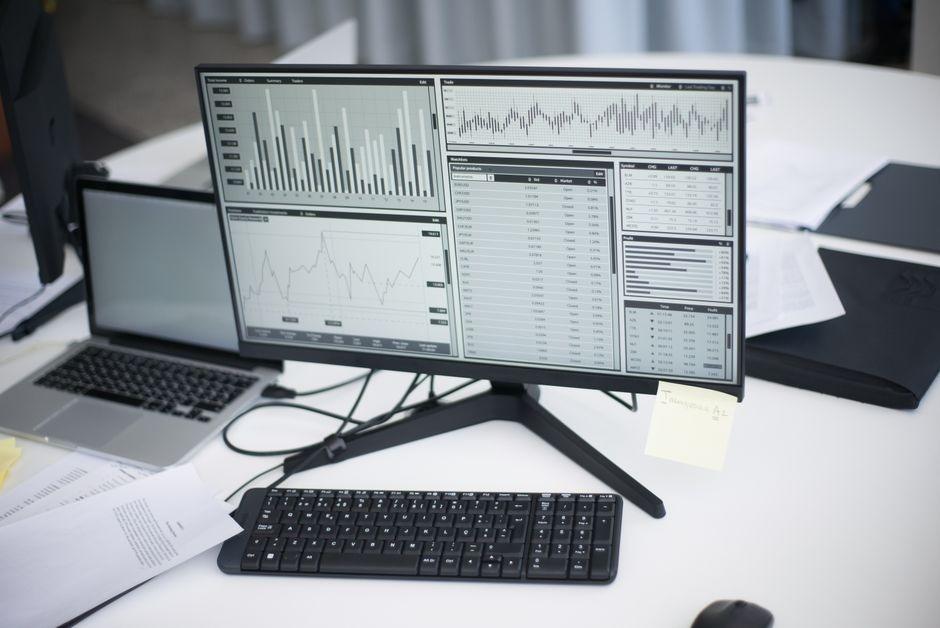
If you work around sustainability, technology, or operations, you’ve probably noticed a shift: environmental goals now depend heavily on data systems. Energy modeling, supply chain tracing, emissions reporting, and predictive maintenance all run on better analytics than most companies had five years ago. That creates a practical question for any business watching the talent market: what kind of AI and data expertise actually helps build more sustainable operations without turning strategy into buzzword-heavy confusion?
How education pathways are changing to meet industry demand
Traditional degrees in computer science or statistics still matter, but employers increasingly want applied, interdisciplinary training. You need people who can work with machine learning workflows while understanding the business environment where the models will live.
That’s where programs like an artificial intelligence and data science degree become relevant to the sustainability economy. The strongest candidates often combine technical depth with practical skills in analytics, programming, and decision support. They’re more useful when they can explain a model to operations staff, question flawed source data, and connect outputs to cost, risk, and compliance.
For employers, this matters during screening. A credential alone won’t solve hiring, but a targeted program can signal that a candidate has trained across the data stack rather than learning one isolated tool. That makes onboarding easier when your sustainability projects depend on cross-functional execution.
Why sustainability teams are suddenly competing for AI talent
You’re no longer hiring data talent only for software companies or research labs. Utilities, manufacturers, retailers, logistics firms, and green construction groups all need people who can clean messy datasets, train models, and turn outputs into operational decisions.
A sustainability roadmap often stalls at the same point: your company has targets, but your systems can’t measure progress fast enough. Carbon accounting platforms need integration. Energy use data comes from disconnected assets. Procurement records don’t line up with emissions factors. AI talent helps bridge those gaps with data pipelines, anomaly detection, forecasting, and automation.
That shift changes hiring pressure. You’re not just looking for someone who can code. You need someone who understands model performance, governance, and business trade-offs well enough to support real environmental outcomes instead of producing dashboards that look impressive and fix nothing.
What these roles actually do inside a modern business
When companies talk about AI in sustainability, the conversation often sounds abstract. In practice, the work is concrete. A data scientist might forecast electricity demand across facilities. A machine learning specialist might optimize HVAC schedules based on occupancy and weather. An analyst could flag supplier risk using shipment, pricing, and environmental compliance data.
In agriculture, AI models can reduce water waste through precision irrigation. In freight, route optimization can cut fuel burn and idle time. In manufacturing, predictive maintenance can reduce downtime, scrap, and unnecessary part replacement. Those are direct operational gains, not branding exercises.
You can also see the governance side expanding. Companies need people who understand data lineage, bias controls, model drift, and auditability. If an emissions model informs investor reporting or regulatory disclosures, weak methodology becomes a legal and reputational problem, not a technical footnote.
The hidden risks of hiring for hype instead of capability
It’s easy to overbuy on AI language and underbuy on actual competence. You’ll see résumés packed with references to neural networks, automation, and optimization, but many candidates have limited experience with deployment, governance, or domain-specific problem framing.
That mismatch shows up fast. A model may test well in a notebook and fail in production because source data is delayed, incomplete, or poorly labeled. A team might automate reporting with no validation controls. Leadership may expect generative AI to solve forecasting issues that really come from bad enterprise data architecture.
You can avoid a lot of this by tightening role definitions. Ask whether the job is about forecasting, data engineering, machine learning operations, business intelligence, or regulatory analytics. Those are different functions. Sustainability teams lose time when one “AI hire” is expected to cover all of them at once.
Where AI talent creates measurable sustainability gains first
If you want fast impact, start with high-volume systems that already produce data. Buildings are a good example. Smart meters, occupancy sensors, and maintenance logs create a base layer for load forecasting and energy optimization. Transportation networks offer similar opportunities through telematics, route history, and fuel records.
Procurement is another strong use case. Many companies struggle to estimate Scope 3 emissions with confidence because supplier data arrives in inconsistent formats and varying levels of detail. Data professionals can build normalization workflows, detect reporting gaps, and improve category-level estimates without pretending the data is cleaner than it is.
Waste streams also deserve more attention. Computer vision and sensor-based monitoring can improve sorting efficiency and contamination tracking, especially in high-throughput facilities. You don’t need futuristic systems to get value. Often, modest AI deployment on a well-scoped process produces better returns than a broad transformation plan with vague ownership.
What to look for if you’re hiring or partnering this year
You should focus less on whether someone calls themselves an AI expert and more on whether they can solve operational problems under real constraints. Strong candidates usually show evidence in three areas: technical execution, data judgment, and communication.
Technical execution means they can work with code, data models, and analytical tools beyond slide-deck theory. Data judgment means they know how to question source quality, document assumptions, and monitor model reliability over time. Communication means they can explain outputs to finance, compliance, facilities, or procurement teams without making the work sound mystical.
If you’re partnering with vendors, use the same lens. Ask how their models are trained, maintained, validated, and integrated into existing systems. Ask who owns the outputs and how exceptions are handled. Sustainable business performance improves when AI is treated like infrastructure, not theater.
Why this talent shift matters beyond the next job posting
The broader story isn’t just about labor demand. It’s about how sustainability work is becoming more computational, more regulated, and more accountable. ESG narratives alone don’t carry much weight when stakeholders want auditable evidence, cost discipline, and operational precision.
You’re moving into a market where environmental progress depends on technical fluency across the organization. Teams that can translate sustainability goals into usable data workflows will move faster on decarbonization, resilience planning, and resource efficiency. Teams that can’t will keep chasing fragmented reports and delayed decisions.
The smartest move now is to treat AI and data capability as a core business function tied directly to sustainability performance. Not a side initiative. Not a branding line. A real operational advantage that shapes who can measure, improve, and defend progress over the next decade.