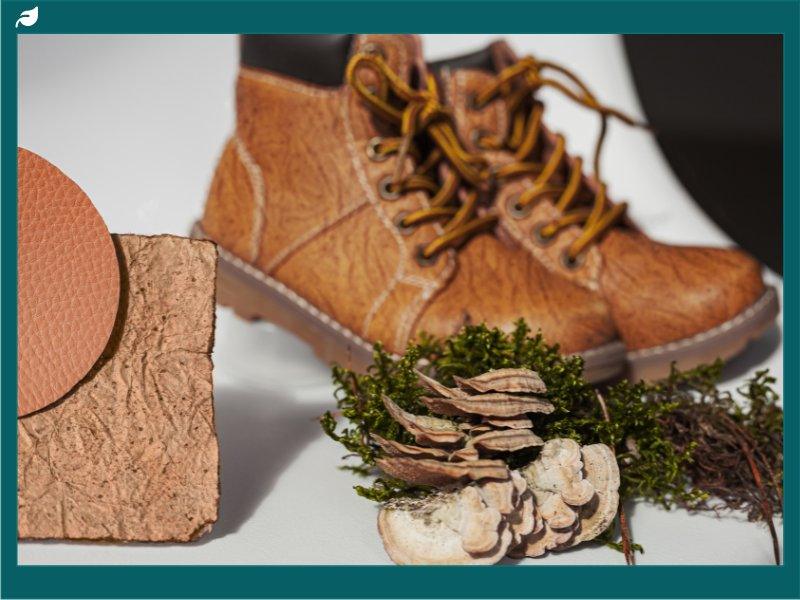
Vegan leather has emerged as a sustainable alternative to traditional animal-derived materials, appealing to eco-conscious consumers and fashion enthusiasts alike. The shift towards cruelty-free and environmentally friendly alternatives has sparked interest in vegan leather, leading to innovations in textiles that reduce reliance on animal agriculture. Understanding its impact matters for anyone looking to make informed decisions about their wardrobe choices. Vegan leather replicates the look and feel of genuine leather while contributing to a smaller carbon footprint, making it a thoughtful choice for anyone committed to a more ethical and sustainable lifestyle.
Understanding Vegan Leather
Vegan leather is gaining traction in sustainable fashion circles, largely because of its eco-friendly properties. Unlike traditional leather, it doesn’t involve animal skins, making it a humane choice for conscientious consumers. These alternatives, including options like cactus leather and pineapple leather, aim to reduce the environmental footprint associated with leather production. In exploring what vegan leather is made of and how it compares to traditional leather, we can uncover both the potential and the challenges this material presents.
What is Vegan Leather Made Of?
Vegan leather is a material designed to mimic the look and feel of real leather without using animal products. It’s typically created from a variety of synthetic and natural materials, with the most common forms being PVC vegan and PU leather. These are plastic-based materials processed to offer durability and strength comparable to traditional leather. Many people, however, are concerned about the environmental impact of these materials, as they’re derived from fossil fuels and can take years to decompose.
Eco-conscious alternatives such as Piñatex, made from pineapple leaves, and cactus leather, derived from the prickly pear, are increasingly sought after. Piñatex pineapple leather harnesses agricultural waste, creating a sustainable cycle that benefits both the environment and local economies. Cactus leather offers another natural option, using a resource that requires minimal water and no pesticides to cultivate. These natural forms of vegan leather minimise the carbon footprint and draw on renewable sources of materials.
Each development in this space points to a growing trend towards sustainability and a broadening scope of environmentally friendly materials.
Both natural and synthetic vegan leathers matter in this evolution. Synthetic options like PU and PVC may raise environmental concerns, but continuous advancements in production technologies are working to address them. New techniques aim to create these materials with lower energy consumption and reduced toxic emissions. Beyond their green credentials, these vegan leather variations tend to be highly versatile, used extensively in producing vegan accessories like backpacks and wallets.
The Difference Between Vegan Leather and Traditional Leather
Vegan leather differs from traditional leather at the most fundamental level, in its origin. That difference shapes both production methods and ethical considerations. Traditional leather involves tanning animal skins, a process that is resource-intensive and raises serious animal rights concerns. Vegan leather, by contrast, is crafted without any animal derivatives, appealing to a growing demographic that wants cruelty-free and humane products.
The environmental impact also sets the two apart. Traditional leather production involves tannery processes that frequently contribute to pollution through heavy chemical use. Many faux leather and vegan options, particularly those made from plants or recycled materials, focus on minimising that ecological damage. Materials like cactus leather and synthetic leather crafted from sustainably sourced components promise reduced carbon emissions and better conservation of natural resources.
Despite these advantages, some still question whether all vegan leather qualifies as eco-friendly leather. Synthetic materials such as PU or PVC bring concerns over biodegradability and plastic pollution. However, advances in technology are pushing for more eco-conscious production methods and improved recycling capabilities. This reflects a more responsible pursuit of leather alternatives, with efforts to improve both material quality and environmental impact so these new materials can earn their place in sustainable fashion.
The Environmental Impact of Vegan Leather
As demand for ethical consumer goods grows, vegan leather is becoming a serious contender in sustainable fashion because of its reduced environmental impact. Unlike traditional tanning processes that place heavy demands on natural resources, vegan leather production focuses on eco-friendly alternatives. Materials like cactus leather and Piñatex contribute to a lower carbon footprint, though production challenges remain. Vegan leather is a component in reducing the fashion industry’s overall environmental toll, and ongoing innovation is making that contribution more meaningful.
Sustainability and Eco-Friendly Leather Alternatives
The appeal of vegan leather rests significantly on its commitment to sustainability and eco-friendly production. Unlike conventional leather, which involves resource-intensive animal farming and chemical tanning, vegan leather production aims to minimise environmental damage. Materials such as cactus leather and Piñatex have changed what sustainable leather can look like. Cactus leather stands out because it requires little water and no harmful pesticides to cultivate.
Piñatex, derived from pineapple leaves, uses agricultural waste and fits a circular economy model that supports local communities while reducing ecological strain.
Beyond the materials themselves, synthetic options such as PU and PVC vegan leather are also benefiting from progressive production innovations, including energy-efficient manufacturing methods that reduce greenhouse gas emissions and toxic waste. The shift towards these materials reflects the fashion industry’s response to growing consumer demand for products that prioritise both quality and environmental responsibility.
The term “eco-friendly leather” has evolved alongside these developments, pushing boundaries to redefine what sustainable materials can mean. Faux leather, alongside more natural alternatives, shows the industry moving towards lower carbon footprints and better resource conservation. As more brands integrate these materials, they’re expanding the definition of eco-friendly leather and raising the bar for sustainable fashion. Here are some of the developments shaping eco-friendly leather today:
- Cactus leather requires minimal water, offering an efficient and sustainable production model.
- Piñatex repurposes pineapple leaves, supporting a circular economy and reducing waste.
- PU and PVC vegan leather focus on energy-efficient production, minimising greenhouse emissions.
- Bio-based leathers derive from renewable sources, aligning with regenerative agricultural practices.
- Mushroom leather, made from mycelium, is biodegradable and carries a reduced environmental impact.
- Apple leather utilises apple waste, turning food byproducts into usable materials.
- Cork leather prioritises renewability by harvesting bark without harming trees.
These developments are redefining the future of sustainable fashion materials.
Reducing the Carbon Footprint: Why Choose Vegan?
Choosing vegan leather can significantly reduce the carbon footprint that comes with traditional leather production. Tanning animal hides is a resource-heavy process that contributes substantially to greenhouse gas emissions. Vegan leather, by bypassing that process, is a less environmentally burdensome option. Synthetic leather still carries some impact, but it’s continually being refined through technological advances that aim to lower production-related emissions.
Biodegradable and bio-based options, such as those derived from cactus and Piñatex, are particularly relevant to climate concerns. They reduce demand for new resource extraction by using existing agricultural by-products, which limits environmental degradation and supports more efficient use of resources. Creating cactus leather, for instance, involves capturing the carbon already present in plants during photosynthesis, which helps mitigate its potential atmospheric contribution.
Choosing vegan materials also supports the broader movement towards sustainable production. As brands adopt eco-friendly leather alternatives, they contribute to a larger market shift that encourages sustainable consumption. By opting for vegan leather, consumers play a role in promoting an industry-wide transition towards more environmentally friendly practices. This aligns with global sustainability targets, including those aimed at reducing carbon footprints and lessening reliance on non-renewable resources.
Vegan leather’s ability to deliver quality and versatility while prioritising environmental responsibility makes a strong case for its place in conscious consumer wardrobes.
Vegan Leather in Fashion
Vegan leather continues to change the fashion industry by offering stylish and sustainable alternatives to traditional leather products. Vegan jackets, backpacks, and accessories are becoming fixtures in modern wardrobes, and this shift reflects changing consumer attitudes towards sustainability. Fashion-forward consumers are seeking cruelty-free options that don’t compromise on style, driving brands to innovate in the production of faux leather goods. That’s visible not only in aesthetic improvements but in the superior functionality and durability of the products coming to market.
Styling Vegan Jackets: Fashion Forward and Sustainable
Vegan jackets have become a popular choice for eco-conscious consumers who want stylish yet sustainable additions to their wardrobes. A strong part of their appeal is the luxurious appearance they maintain without the ethical concerns tied to animal leather. The materials used, including synthetic leather and cactus leather, offer a diverse range of textures and finishes suited to different styles, from sleek and minimalist to bold statement pieces. Consumers can personalise their look while staying committed to ethical fashion.
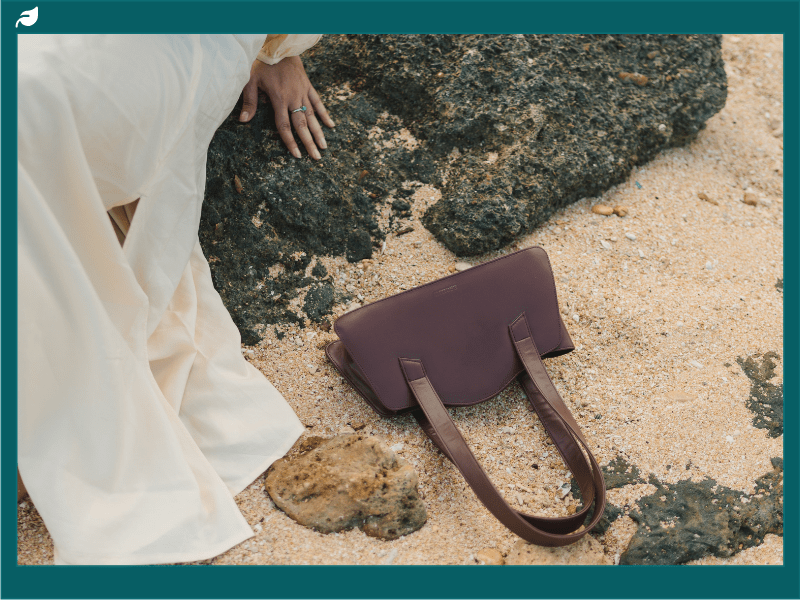
Vegan leather jackets are also built for practicality; they’re designed to withstand daily wear with durability that matches traditional options.
The functionality of vegan leather goes beyond aesthetics. Jackets crafted from Piñatex, derived from pineapple leaves, combine durability with an eco-friendly footprint. Piñatex uses agricultural by-products, which helps reduce waste and supports sustainable farming communities. Cactus leather, known for its resilience and minimal environmental impact, provides a versatile option for outerwear that can handle various climates and conditions.
These materials bring sustainability and technology together in a way that demonstrates real fashion industry innovation.
Brands around the world are capitalising on the sustainability trend by introducing lines dedicated to vegan leather jackets. This reflects a clear understanding of what modern consumers want: green, guilt-free fashion. By sourcing sustainable materials and using energy-efficient manufacturing, these brands contribute to reduced carbon emissions and less resource wastage. The resulting products are not only chic and sustainable but are also raising the bar for what fashion innovation can look like.
Vegan Backpacks and Wallets: Combining Utility with Style
Growing demand for functional yet fashionable accessories has driven increased interest in vegan backpacks and wallets. These items bring together utility and style, allowing eco-conscious consumers to accessorise without compromising their values. Vegan leather options frequently use synthetic or sustainable materials like Piñatex and cactus leather, which mimic the aesthetic qualities of traditional leather while delivering the durability needed for everyday use.
Backpacks made from vegan leather offer versatile designs suited to work, travel, and leisure. Piñatex adds unique textures and structural integrity, making these backpacks a solid choice for those who value both durability and environmental ethics. Cactus leather, lightweight yet tough, provides a reliable option for everyday use, combining style with real functionality. These options demonstrate that sustainable materials don’t have to compromise on performance.
Wallets crafted from vegan materials also show how elegance can meet ethical production. The slim, sleek profiles of faux leather wallets are a genuine match for their traditional counterparts, providing aesthetically pleasing accessories that work across any wardrobe style. Their production relies less on harmful chemical processes, offering a cleaner alternative that aligns with sustainability goals. Brands focusing on these accessories often share their production processes openly with consumers, building transparency and strengthening trust with environmentally aware customers.
Vegan backpacks and wallets sit at the intersection of practical utility and forward-looking design. As consumers grow more aware of the environmental impact of their purchases, the move towards vegan leather accessories reflects genuinely changing priorities in fashion. By combining sustainability with style, these brands are contributing meaningfully to the movement for sustainable fashion solutions. The adoption of vegan leather for bags and accessories continues to build momentum as part of the broader shift in conscious consumerism.
Embracing Vegan Materials in Everyday Life
Integrating vegan materials into daily life promotes ethical consumption and reduces environmental impact. Vegan leather offers a sustainable alternative to traditional leather, avoiding animal exploitation while minimising ecological footprints. From cactus leather to synthetic options like PVC and PU, the range of leather alternatives keeps expanding, driven by consumer demand for eco-friendly products. Leading brands are increasingly incorporating these materials into their ranges, reflecting a genuine commitment to innovation and sustainability.
Understanding how to care for faux leather products, and recognising the durability of vegan materials, helps to make the case for their place in modern wardrobes.
Caring for Your Faux Leather Products
Proper maintenance is important for preserving the quality and lifespan of faux leather products, keeping them functional and looking good over time. Vegan leather, whether derived from synthetic materials like PVC and PU or natural sources such as Piñatex or cactus leather, requires specific care techniques that differ from those used on traditional leather. Unlike animal leather, faux leather is non-porous, which gives it a degree of resistance to liquids and makes cleaning relatively straightforward. Regular, gentle cleaning is still advised to maintain appearance and structural integrity.
A soft cloth moistened with warm water and mild soap is typically sufficient for removing dust and grime. Avoid harsh chemicals or aggressive scrubbing, as these can damage the material’s finish and lead to premature wear.
Storage also plays an important role in extending the life of vegan leather accessories such as bags, wallets, and backpacks. Keeping items in cool, dry places away from direct sunlight will help prevent fading or cracking caused by prolonged heat exposure. When storing bags and shoes, placing them in dust bags or using acid-free paper helps maintain their form and protect against dust.
Understanding the composition of your faux leather product can also help you choose the right care method. Cactus leather, for example, is known for its durability and may need less frequent conditioning than more delicate faux leathers. Regularly conditioning certain types of vegan leather, particularly those imitating the supple texture of traditional leathers, with a specialised faux leather conditioner can improve their sheen and flexibility and help maintain their appearance over time. This is less about necessity and more about preserving the product’s finish, especially for items that see frequent use.
As the range of faux leather continues to develop, so do the care products available to support it. Eco-friendly care products are becoming more widely available, supporting sustainable living goals. As more consumers embrace vegan materials, applying appropriate care techniques ensures their products remain fashionable and functional, in line with the broader movement towards ethical and environmentally responsible consumption.
Why Vegan Materials Are Here to Stay
The growing place of vegan materials in fashion and everyday life reflects a significant shift towards sustainability and ethical practices. Vegan leather’s popularity isn’t simply a passing trend. It reflects a genuine and lasting change in consumer values and industry standards. The broad adoption of faux leather, particularly in forms like cactus leather, is driven by increasing awareness of the environmental and ethical issues tied to traditional leather production.
Traditional tanning processes, known for their intensive resource use and pollutive chemistry, have pushed both consumers and manufacturers to look for more sustainable solutions.
The demand for eco-friendly leather alternatives reflects a changing mindset that favours products which are stylish and kind to the planet. Vegan materials provide a cruelty-free option that reduces reliance on animal agriculture, a significant contributor to greenhouse gas emissions, making them relevant to the conversation around climate change. Brands that use these materials often maintain transparent supply chains and eco-conscious business models, which appeals to consumers who prioritise sustainability in their purchasing decisions.
Advances in technology are further strengthening the case for vegan materials, improving their feel, durability, and aesthetics to the point where they genuinely rival traditional options. The rise of bio-based materials, such as Piñatex from pineapple leaves, alongside synthetic innovations like lower-impact PU, shows that the industry is serious about environmentally responsible production. These developments reduce the carbon footprint of manufacturing and open new paths in fashion and design, keeping vegan leather competitive and desirable.
As societal norms around consumption and waste continue to shift, vegan materials are finding their footing in the circular economy model. Products designed with recyclability and biodegradability in mind encourage reduced waste and more efficient resource use. The presence of vegan materials in mainstream fashion confirms they’re not a niche concern; they’re becoming a foundational element in modern apparel and accessory design. As innovation continues, vegan leather and other alternative materials are set to reshape conscious consumerism by offering sustainable, ethical, and appealing choices that have a genuine place in everyday life.
Vegan leather is a practical solution for fashion enthusiasts who want to reduce their environmental footprint without sacrificing style or quality. It offers durability and versatile design options, and it challenges traditional notions of luxury materials. Integrating vegan leather into your wardrobe is a way to support sustainability and contribute to a broader cultural shift towards ethical consumption. As the textile industry continues to develop, this material points to what fashion can look like when it’s guided by both conscience and creativity.