In an era marked by pressing environmental challenges, eco-friendly technologies have emerged as powerful tools driving sustainable living. As societies strive to reduce carbon footprints and preserve natural resources, innovations in green technology are paving the way for a more sustainable future. From renewable energy sources to smart homes equipped with energy-efficient appliances, these advancements not only mitigate environmental impact but also enhance quality of life. By embracing these technologies, individuals and communities can contribute to a healthier planet and ensure a more sustainable legacy for future generations.
What Is Green Technology?
Green technology represents a powerful avenue for addressing today’s environmental challenges. As sustainability becomes an increasingly urgent priority, these eco-friendly technologies aim to minimize the ecological impact of human activities. Often called “green tech,” this science involves the development and implementation of sustainable technologies designed to promote a cleaner, greener future. By focusing on reducing emissions, conserving energy, and utilizing renewable resources, green technology offers solutions that cater to both environmental and economic needs. This section explores the core concepts that underpin green tech and its critical role in modern society.
Understanding the Core Concepts
At its essence, green technology is an umbrella term that encompasses a wide range of sustainable technologies all aimed at creating a more sustainable planet. These eco-friendly technologies prioritize efficiency and the reduction of negative environmental impacts. Among them, renewable energy technologies such as solar panels, wind turbines, and biofuels are prominent. Solar and wind harness natural forces to generate clean, sustainable power, whereas biofuels provide an alternative to fossil fuels by using biological matter that is renewable and less harmful to the environment.
The core mission of green tech is to amalgamate technology with sustainability, steering innovations that cater to both immediate human needs and long-term ecological balance. Innovations in sustainable agriculture, waste management, and water purification systems also fall under this bracket. Sustainable agriculture, for instance, employs methods that use fewer natural resources and encourage biodiversity, while waste management strategies focus on recycling and reusing materials to lower landfill loads and pollution. Furthermore, water purification technologies aim to expand access to clean drinking water while conserving and optimizing water resources. Each of these green solutions exemplifies how sustainable technologies merge practicality with environmental responsibility.
Another fundamental aspect of green technology is the concept of a circular economy. This approach breaks away from the traditional linear economic model of “take, make, dispose,” and instead promotes a more sustainable cycle of resources. By encouraging recycling, repair, and reuse, the circular economy model minimizes waste and keeps materials in use for as long as possible, thereby stretching valuable resources further and helping reduce environmental pollution.
Green technology also extends to the field of transportation. Electric vehicles (EVs), for instance, represent a significant shift from the reliance on fossil fuels to electricity. EVs emit zero exhaust pollutants, making them a greener, more sustainable choice for personal and public transport. Similarly, advancements in battery technologies and fuel cells are crucial in extending the range and efficiency of these vehicles, making sustainable transportation more accessible to the masses.

The Role of Green Tech in Modern Society
Green technology’s role in modern society is pivotal as it intersects with diverse sectors to support a more sustainable world. From promoting energy efficiency in homes to revolutionizing industrial processes, green tech emphasizes the necessity of driving sustainable change across all facets of life. For instance, innovations such as smart meters and building automation systems contribute significantly to reducing energy consumption and optimizing resource use in both residential and commercial buildings. These systems not only help reduce the carbon footprint but also translate into cost savings for consumers and businesses alike.
In the realm of industry, green technologies redefine how businesses operate by encouraging cleaner production methods and cutback in resource use. For example, factories are adopting eco-friendly technologies that utilize renewable resources, streamline manufacturing processes, and reduce waste. This shift not only aligns with global sustainability goals but also generates a competitive advantage by appealing to a growing demographic of eco-conscious consumers who are increasingly favoring brands that prioritize environmental responsibility.
Moreover, the role of green technology in advancing economic sustainability cannot be understated. It provides new avenues for job creation and economic growth while helping mitigate the environmental impacts of industrialization. The rapid expansion of the green job market highlights the symbiotic relationship between economic and environmental health, underscoring the value of investing in eco-friendly innovations. Governments and regulatory bodies are recognizing the merits of green tech, subsequently supporting its adoption through subsidies, tax incentives, and stricter environmental regulations.
Furthermore, education and public awareness are essential elements that drive the acceptance and application of green tech. By emphasizing the importance of sustainable practices and integrating green tech into educational curricula, society can foster a new generation of informed citizens ready to engage with environmental challenges. Community initiatives and public campaigns can bolster awareness, making sustainability a collective effort rather than a solitary pursuit. This integration of green technology into societal norms ensures that the pursuit of a greener future is a shared objective, vital for continuous progress towards sustainability.
Eco-Friendly Building Innovations
Eco-friendly building innovations are transforming the landscape of construction and design, paving the way for a future comprised of sustainable and energy-efficient structures. This shift towards sustainable construction is driven by a growing awareness of environmental challenges and the need to reduce the ecological footprint. A key aspect of this transformation is the use of sustainable materials and innovative techniques that prioritize eco-friendliness and minimal waste. These advancements not only support a greener environment but also offer economic benefits by lowering energy consumption and reducing waste. As the demand for green buildings surges, it’s essential to delve into the specific materials and methods that are shaping this evolution.
Materials and Techniques for Sustainable Construction
Sustainable construction hinges on the efficient use of eco-friendly materials and innovative techniques aimed at minimizing environmental impact. One of the essential components of this approach is the utilization of sustainable materials, which include renewable resources like bamboo, recycled metals, and low-emission concrete. These green materials not only reduce the ecological footprint of buildings but also promote a circular economy where resources are continually reused and recycled. In modern manufacturing, innovations such as silicone molding also contribute to eco-friendly production by offering durable, reusable, and low-waste components for sustainable construction and product design. Bamboo, for instance, is celebrated for its rapid growth and strength, making it a viable alternative to traditional timber. Similarly, low-emission concrete, which incorporates industrial waste products like fly ash, reduces the carbon emissions typically associated with concrete production, thus aligning with broader sustainability goals.
Innovative construction techniques also play a pivotal role in creating eco-friendly buildings. Prefabrication is one such method, where building components are manufactured in a controlled environment and transported to the construction site for assembly. This process significantly reduces waste by ensuring precision and efficiency in the use of materials. Additionally, green building designs often incorporate features such as green roofs, which offer environmental benefits like reducing stormwater runoff and improving insulation, thus lowering energy consumption. The integration of energy-efficient systems, such as passive solar design and advanced HVAC (heating, ventilation, and air conditioning) systems, further enhances the sustainability of these buildings by optimizing energy use and reducing reliance on non-renewable energy sources.
The concept of adaptive reuse is another emerging trend within sustainable construction. This involves repurposing existing structures for new uses, thereby extending their lifespan and reducing the need for new construction. Adaptive reuse not only preserves the historical and cultural significance of buildings but also conserves resources and minimizes waste. Furthermore, smart building technologies, which include automated systems for lighting, heating, and security, contribute to reduced energy use and operational efficiency. These technologies facilitate real-time monitoring and management of building systems, ensuring optimal performance with minimal energy input.
Moreover, eco-friendly construction methods focus on site sustainability by minimizing environmental disruption during the building process. This involves thoughtful planning and implementation practices such as erosion control, preservation of natural habitat, and efficient water management systems. These techniques ensure that the construction process itself is aligned with the principles of sustainability. As eco-friendly building innovations continue to evolve, the overarching goal remains clear: to develop structures that meet human needs while safeguarding environmental health for future generations. By embracing sustainable construction practices, the building industry advances towards a greener, more sustainable future, reflecting the broader movement towards eco-friendly technologies in all facets of life.
Implementing Smart Home Technology for Sustainability
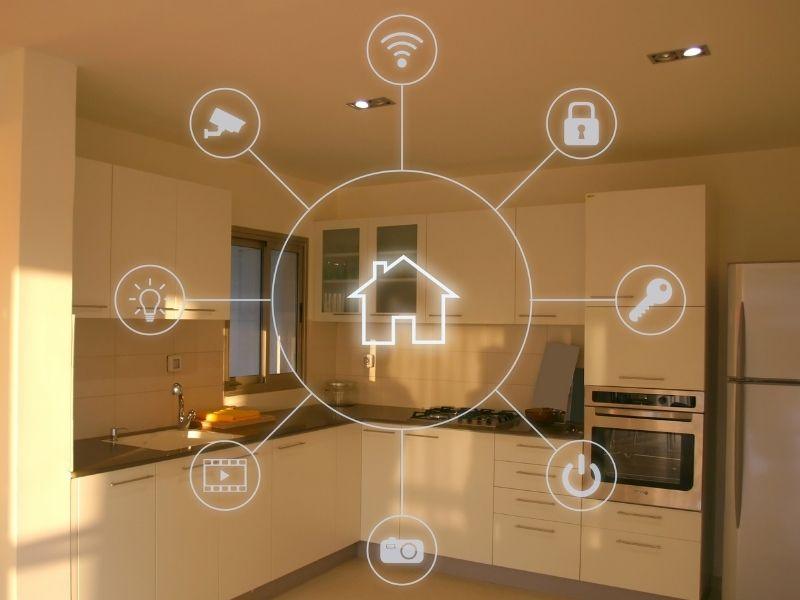
Embracing smart home technology is central to advancing sustainability in modern living spaces. These energy-efficient gadgets, such as smart thermostats and lighting systems, bridge the gap between ecological responsibility and everyday convenience. As we transition towards more eco-friendly living environments, smart home devices are designed to minimize energy consumption while promoting a greener lifestyle. Beyond reducing utility bills, they play a critical role in lessening our environmental footprint. This section explores the specific advantages of intelligent home systems, focusing on how smart thermostats contribute significantly to sustainable home practices.
Benefits of Smart Thermostats
Smart thermostats, a staple in energy-efficient gadgets, embody the intersection of technology with practicality in eco-friendly homes. These devices are designed to optimize heating and cooling through automation, learning your daily routine, and adjusting temperatures accordingly. This intelligent approach reduces unnecessary energy consumption, translating into lower energy bills and a smaller carbon footprint. By minimizing energy wastage, smart thermostats contribute significantly to a cleaner and more sustainable home environment, aligning with broader eco-friendly goals.
The appeal of smart thermostats also lies in their user-friendly interfaces and programmable features. These devices allow homeowners to control heating and cooling remotely via smartphones or tablets. This feature is particularly beneficial for eco-conscious individuals who aim to maintain a greener lifestyle while balancing comfort and energy efficiency. For instance, while away from home, users can adjust the settings to ensure energy isn’t wasted, contributing to environmental conservation efforts. Additionally, many smart thermostats provide detailed insights into energy consumption patterns, empowering users to make informed decisions about their energy use.
Moreover, the integration of smart thermostats with other smart home technologies broadens their impact on sustainability. These devices can communicate with smart lighting and security systems, creating a cohesive, energy-efficient ecosystem within the home. They contribute to the automation of a sustainable lifestyle, where systems operate in harmony to optimize energy use and reduce environmental impact. This symbiotic relationship between technologies underscores the potential of smart thermostats to foster a comprehensive approach to sustainability in modern homes.
Importantly, the adoption of smart thermostats extends beyond individual benefits, bolstering broader environmental objectives. By collectively reducing energy demand, these devices aid in managing peak energy loads and mitigating the need for additional power generation. This ripple effect reinforces the importance of integrating energy-efficient gadgets like smart thermostats in homes worldwide, as every small step towards sustainability contributes to significant global environmental benefits. As smart technology continues to evolve, the role of smart thermostats in promoting a greener, cleaner, and more sustainable future will undoubtedly become even more pronounced.
Harnessing Solar Panel Technology
The rise of solar panel technology marks a significant stride towards sustainable energy solutions. Solar panels have become synonymous with renewable energy, offering a clean, reliable source of power that aligns with eco-friendly goals. From reducing dependency on fossil fuels to providing cost-effective energy, solar panels represent a cornerstone in the quest for sustainable living. Delving into the intricacies of their installation and usage reveals how individuals and communities can maximize the benefits of solar energy, thereby contributing to a greener future.
A Guide to Effective Installation and Use
Understanding the effective installation and use of solar panels is crucial for tapping into the full potential of this renewable energy source. When planning a solar panel installation, one must consider several factors to ensure maximum efficiency. The orientation and tilt of the panels play pivotal roles in capturing the optimum amount of solar energy. Ideally, panels should face the sun directly, with the optimal angle depending on the geographical latitude of the installation site. This ensures that the solar panels receive the most sunlight throughout the day, enhancing energy production. Additionally, minimizing obstructions such as trees or buildings that could cast shadows is essential to optimize sunlight absorption.
Harnessing the power of solar technology also involves selecting the right type of solar panel. There are primarily three types: monocrystalline, polycrystalline, and thin-film. While monocrystalline panels are known for their high efficiency and longevity, polycrystalline offers a cost-effective solution with comparatively lower efficiency. Thin-film panels, although less efficient, provide versatility and flexibility in installation. Choosing the appropriate type depends on budget, space availability, and specific energy needs, ensuring that users can tailor their solar energy systems to their circumstances.
Once installed, proper maintenance is vital to sustain the performance and lifespan of solar panels. Regular cleaning is recommended to remove any debris or dust that may accumulate on the panels, as this can significantly reduce their efficiency in capturing sunlight. In addition, periodic inspections should be conducted to check for any signs of damage or wear, ensuring that the system continues to operate at its best. These proactive steps in maintenance not only extend the life of the solar panels but also ensure consistent energy output.
In terms of usage, integrating solar energy into everyday life involves more than just installation. It requires an understanding of the energy use patterns within the home or business to leverage solar power effectively. By aligning energy-intensive tasks with peak sunlight hours, consumers can optimize the use of solar-generated power, thereby reducing reliance on external power supplies and further cutting down on energy costs. A comprehensive approach to solar panel technology, from installation to ongoing use and maintenance, allows individuals to not only embrace renewable energy but also actively contribute to a sustainable and eco-friendly future.
The Future of Renewable Energy
The horizon of renewable energy is rapidly advancing with innovations that promise to revolutionize how we supply and consume power. With an increasing global focus on sustainable development, renewable energy solutions are crucial in addressing environmental challenges and reducing carbon emissions. From leveraging solar and wind energy to integrating cutting-edge technologies, these advancements not only aim to mitigate climate impact but also to provide more efficient energy systems for a green future.
Emerging Trends and Innovations
As the demand for cleaner energy sources intensifies, remarkable innovations in renewable energy solutions are taking center stage. Solar and wind energy remain at the forefront, with each sector experiencing substantial technological growth. In solar, advancements in photovoltaic materials are enhancing the efficiency of solar panels, making energy conversion more effective even in lower light conditions. Meanwhile, floating solar farms are emerging as a novel solution to land scarcity, enabling solar panels to be installed on bodies of water, which reduces land use and potentially increases energy collection due to the cooling effect of water.
Wind energy is equally witnessing groundbreaking developments. Offshore wind farms, now more prevalent, benefit from stronger and more reliable wind patterns, maximizing electricity generation compared to their onshore counterparts. Innovations in turbine design, such as bladeless wind turbines, offer reduced environmental impact by minimizing harm to wildlife, particularly birds and bats, common concerns with traditional turbines. Moreover, these new designs often produce less noise and require lower maintenance, making them more sustainable and cost-effective in the long run.
A significant trend is the integration of AI and IoT technologies in optimizing energy use. Smart grids are being developed to improve the efficiency of power distribution, predict energy demand, and integrate renewable sources seamlessly into existing infrastructure. These grids enhance communication between the energy supplier and consumer, allowing for better management of energy consumption and reducing wastage. Additionally, AI algorithms are being used to predict maintenance needs, preventing downtime and ensuring the reliability of renewable energy systems.
Energy storage solutions also constitute a critical area of focus. As renewable energy systems often face variability in supply, battery technologies are advancing to store excess energy for later use. Lithium-ion batteries dominate the market, but emerging alternatives like solid-state and metal-air batteries are promising to deliver higher capacity and longer life spans. These developments are vital for ensuring a steady supply of renewable energy, mitigating the challenges of intermittency, and enhancing energy security.
Overall, the future of renewable energy is being shaped by a synergy of technological advancements and environmental initiatives aimed at creating a sustainable global energy framework. By continually pushing the boundaries of what’s possible in renewable energy, these emerging trends offer hope for a cleaner, more sustainable planet. With governments and industries increasingly prioritizing these innovations, the transition towards a predominately green energy landscape appears not only feasible but imminent.

Carbon Capture and Environmental Impact
In an era defined by climate concerns and the pursuit of a sustainable future, carbon capture technology has emerged as a pivotal innovation. By directly addressing the issue of carbon emissions, these technologies aim to mitigate their environmental impact and foster a more balanced climate. This section delves into how carbon capture technologies work, exploring their mechanisms, challenges, and potential benefits, as we continue to navigate the path towards a greener planet.
How Carbon Capture Technologies Work
Carbon capture technologies are designed to intercept and secure carbon emissions before they reach the atmosphere, thus reducing their environmental impact. At the core of this technology is the process of capturing carbon dioxide (CO2) emissions directly from industrial sources such as power plants and manufacturing facilities. This is achieved using various methods, with the most commonly used being pre-combustion, post-combustion, and oxy-fuel combustion. In pre-combustion capture, carbon is removed from fuels before they are burned, whereas post-combustion focuses on capturing CO2 from flue gases post-burn. Oxy-fuel combustion involves burning fuels in oxygen instead of air, producing a flue gas that is primarily water vapor and CO2, making it easier to capture.
Once captured, the carbon is then compressed and transported to storage sites, typically deep underground geological formations. These storage sites often include depleted oil and gas fields or deep saline aquifers, where the CO2 can be safely trapped. This sequestration process, though vital, is not without its challenges. The cost-effectiveness of transportation and storage, potential leakage from storage sites, and the energy requirements for the capture process itself are all significant hurdles that researchers and innovators are working diligently to overcome.
Despite these challenges, the potential benefits of carbon capture technologies cannot be understated. They offer a critical tool in the effort to manage carbon emissions, especially in sectors where reducing emissions remains difficult. By preventing carbon from entering the atmosphere, these technologies play a crucial role in combating climate change. Furthermore, carbon capture can contribute to a more sustainable industrial process by enabling industries to reduce their carbon footprint while maintaining production levels. This aligns with global climate goals and commitments to achieving net-zero emissions.
The advancement of carbon capture technology also opens doors for further innovations, such as carbon utilization. This involves converting captured carbon into useful products like fuels, building materials, and chemicals, thus promoting a circular economy. By turning a waste product into valuable resources, carbon capture technologies not only mitigate environmental impact but also contribute to economic opportunities. As the world grapples with the urgent need to address climate change, the development and implementation of carbon capture technologies represent a promising path towards a more sustainable future, reducing emissions and enhancing our ability to manage environmental responsibly.
The Importance of Eco-Friendly Practices
In the face of growing climate concerns, eco-friendly practices are more essential than ever for fostering sustainability. These practices encompass a wide range of activities that collectively aim to reduce environmental impact and promote a greener lifestyle. With the escalating effects of climate change affecting air quality, water resources, and food security, adopting sustainable practices can significantly mitigate these impacts. Moreover, these practices not only benefit the environment but also hold promise for economic savings and improved health. We’ll explore how adopting a green lifestyle can be a crucial component of sustainability and a way forward in preserving our planet’s future.
Adopting a Green Lifestyle for Sustainability
Embracing a green lifestyle is an integral part of the eco-friendly movement, where individual actions collectively contribute to reducing the ecological footprint. Choosing sustainable products, reducing waste, and conserving resources are fundamental components of this lifestyle, aimed at fostering a cleaner, greener environment. Utilizing eco-friendly practices in daily activities can significantly impact air quality, water conservation, and energy usage, culminating in a more sustainable way of living.
Sustainability in our daily lives often starts with conscious decisions, such as opting for reusable over disposable products. The elimination of single-use plastics and the adoption of recyclable materials are pivotal steps in reducing waste. These habits not only alleviate landfill burdens but also conserve the energy needed to produce and dispose of non-recyclable goods. For instance, by carrying a sturdy tote bag for groceries or using a reusable water bottle, consumers can lessen their plastic footprint effectively.
Moreover, energy conservation plays a vital role in promoting sustainability. Households can adopt energy-efficient technologies like LED lighting, smart thermostats, and energy-saving appliances. By optimizing energy use, these technologies not only reduce carbon emissions but also contribute to significant economic savings. Consider replacing incandescent bulbs with LEDs; though they have a higher upfront cost, they consume less energy and last substantially longer, leading to long-term benefits for both the wallet and the environment.
Water conservation is another critical aspect of sustainable living. Simple practices such as fixing leaks, using low-flow fixtures, and adopting drought-resistant landscaping can greatly reduce water consumption. The protection of this precious resource ensures its availability for future generations and maintains ecosystems. Moreover, incorporating rainwater harvesting systems can supply additional water for non-potable uses, reducing the demand on municipal systems and promoting eco-friendliness.
Food choices also play a significant part in a sustainable lifestyle. Opting for local, organic produce reduces the carbon footprint associated with transporting goods over long distances and supports sustainable agriculture practices. Farmers’ markets and community-supported agriculture (CSA) initiatives provide fresh options that align with sustainability principles.
Overall, adopting a green lifestyle entails a mindful approach to everyday activities, promoting sustainability through deliberate, impactful choices. As individuals and communities embrace these eco-friendly practices, the collective effort fosters a more sustainable world. The transition towards a greener future is not only necessary for mitigating climate impacts but also beneficial in forging a lifestyle that sustains economic, environmental, and social health. This holistic view capitalizes on the simple yet powerful changes we can incorporate, reinforcing the importance and effectiveness of eco-friendly practices in attaining a sustainable future.
Embracing eco-friendly technologies signifies a pivotal shift towards a sustainable and resilient future. These innovations not only help mitigate environmental impact but also pave the way for smarter, more efficient living. By integrating these green solutions into everyday life, individuals and communities can actively participate in safeguarding natural resources and ensuring a healthier planet for generations to come. From renewable energy systems to sustainable agriculture practices, the combined efforts to adopt and innovate within green technology realms hold the potential to significantly transform and redefine modern living in harmony with nature.