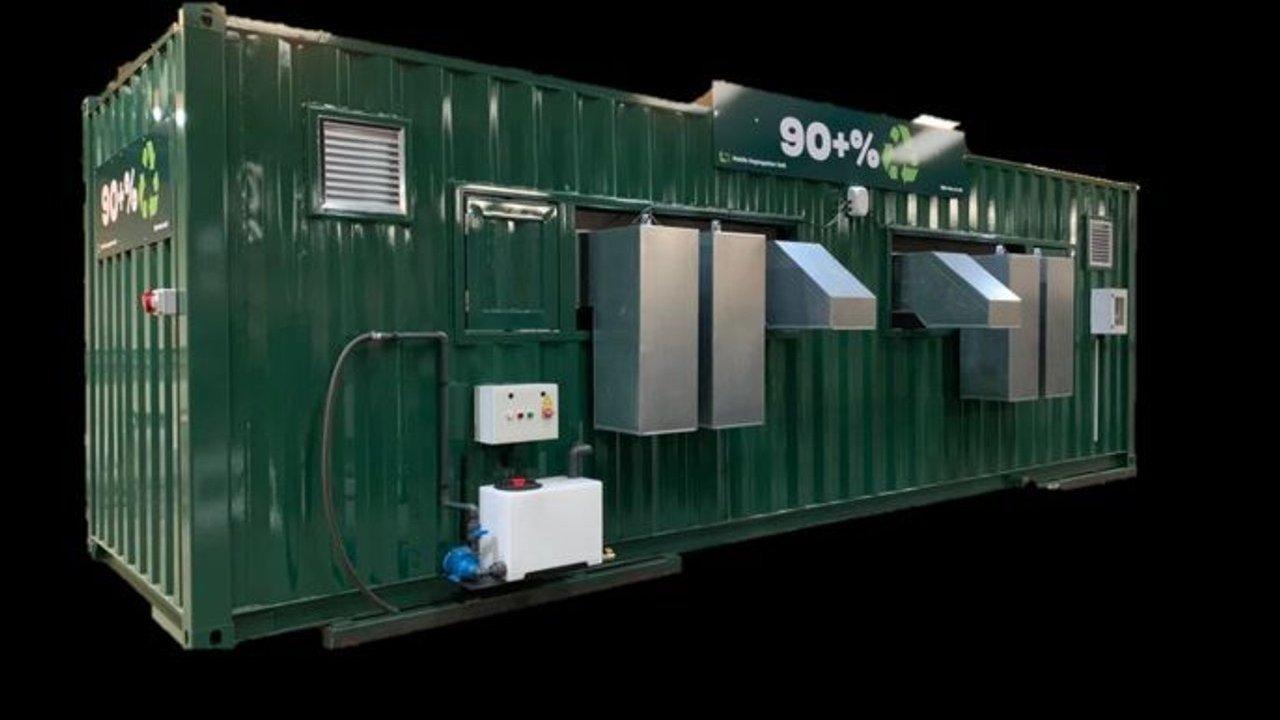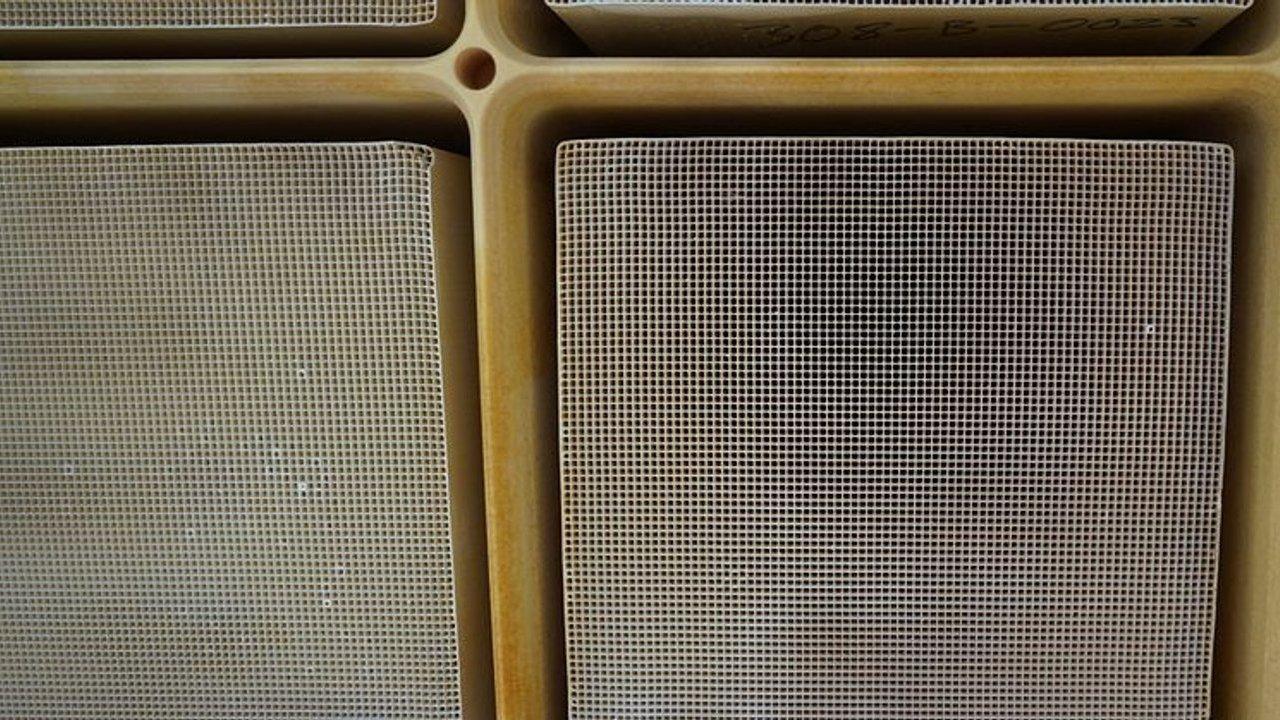
Aircapture and NGK Corporation have commissioned a direct air capture, or DAC, demonstration system at AIZAWA Concrete Corporation’s Fukushima RDM Center in Japan. The project brings Aircapture’s modular capture system together with NGK’s honeycomb ceramic substrates, with testing focused on performance, operating characteristics and durability in a commercial setting. It is Aircapture’s first deployment in Japan and NGK’s first DAC demonstration in a commercial operating environment. The partners will also assess routes for using captured atmospheric CO2 in concrete mineralisation, placing carbon removal alongside material production.
Commercial Conditions In Fukushima
The Fukushima RDM Center installation is designed to move DAC evaluation beyond laboratory conditions. Aircapture supplied and commissioned the system, incorporating ceramic substrates developed by NGK specifically for DAC applications. The live demonstration will examine capture performance, operating reliability and the durability of the ceramic technology within a working system.
For the concrete sector, the trial also creates an opportunity to consider whether captured CO2 can be incorporated into manufacturing processes and permanently stored within building materials. That connection gives the installation a practical circularity focus, linking atmospheric carbon capture with an industrial use case at the same location.
Matt Atwood, Founder and CEO at Aircapture Inc., said:
“ Almost all of Japan’s industrial CO2 today comes from fossil-based processes. Japan’s 2050 carbon neutrality target requires phasing that supply out, and there is currently no plan to replace it. That is why we prioritized Japan as an early market. In this demonstration, we installed NGK’s ceramic substrate in a working Aircapture system to test its performance under real conditions, not only in the lab. What we learn here will support our plan to commercialize DAC in Japan.”
Ceramics For Lower Energy Use
NGK has adapted ceramic technology originally developed for automotive emissions-control applications for use in DAC equipment. Its approach uses honeycomb-structured ceramic substrates rather than pellet-based materials, seeking to promote more uniform airflow through the capture system.
The company states that the substrate’s lower pressure loss can reduce blower energy consumption. Its lightweight, thin-wall structure also lowers thermal capacity, reducing the energy needed when CO2 is desorbed and the capture material is regenerated. These attributes could support more compact system configurations while addressing a central consideration for DAC deployment, the energy and cost associated with operating capture equipment.
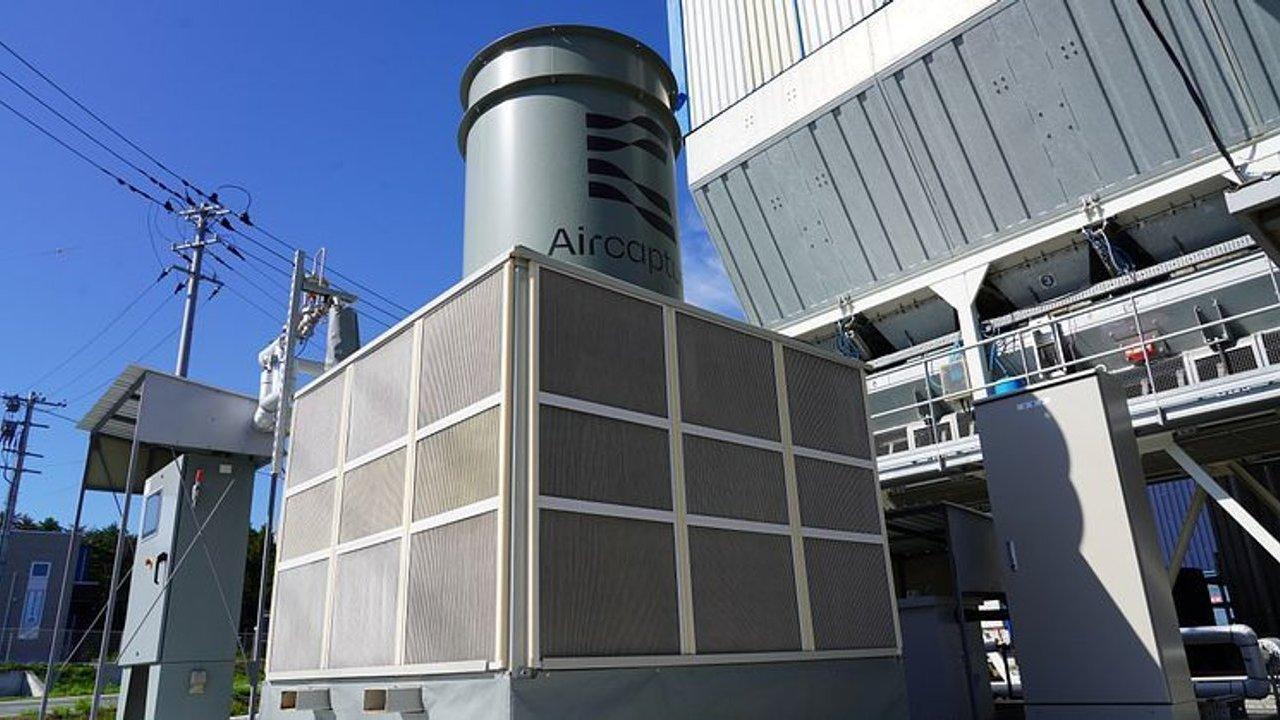
The combination of Aircapture’s modular system integration and NGK’s substrate design is being evaluated for efficient atmospheric CO2 capture, lower blower and regeneration energy requirements, reduced system costs and wider opportunities for modular installations. The project’s results will help determine how the component performs under the demands of industrial operation.

Motoo Noritake, Senior Vice President and Group Executive, Environment Business Group, General Manager at NGK Corporation, stated:
“Leveraging more than a century of ceramic technology expertise, NGK is developing advanced materials that improve DAC performance while contributing to lower system costs. For DAC technologies to achieve broader adoption, it is essential not only to demonstrate technical performance but also to validate performance and durability under real operating conditions. Through this demonstration with Aircapture and AIZAWA Concrete, we will accelerate efforts toward the practical deployment of DAC systems.”
A Modular Carbon Supply
Aircapture develops modular DAC systems intended for installation directly at industrial and manufacturing facilities. The model is centred on producing high-purity CO2 on-site, allowing industrial and commercial customers to use atmospheric CO2 as a local input rather than relying solely on conventional fossil-based supply routes.
At Fukushima, this concept is being considered in relation to concrete mineralisation. If captured CO2 can be incorporated into concrete manufacturing and retained within building materials, the project could demonstrate a route from atmospheric removal to a potential storage pathway within a product. The partners are not presenting the demonstration as a finished commercial solution, but as a focused test of the technologies and their interaction under operational conditions.
DAC is positioned by the companies as a negative-emissions technology that can complement emissions reductions by removing CO2 already present in the atmosphere. The system’s deployment at an operating concrete centre gives that proposition a tangible industrial setting, while allowing the participants to assess operational and economic considerations that influence scale-up.
Building Evidence For Deployment
The collaboration provides a meaningful early reference point for DAC in Japan, combining a modular capture platform, specialised ceramic components and a possible end-use route for captured CO2. Aircapture plans to expand deployments across further industrial and commercial sites, applying learning from each installation to reduce system costs.
NGK, meanwhile, is continuing work on next-generation DAC substrates intended to be lighter and more energy efficient than current products. The company is also preparing for future volume production through its global manufacturing platform developed in the automotive industry.
For AIZAWA Concrete, the demonstration brings carbon removal technology into direct contact with a material sector examining ways to retain CO2 in its products. For Aircapture and NGK, it offers a disciplined test of whether modular DAC and advanced ceramic design can deliver the operational reliability, energy performance and compact configurations needed for broader practical deployment.