Start with how the space is used
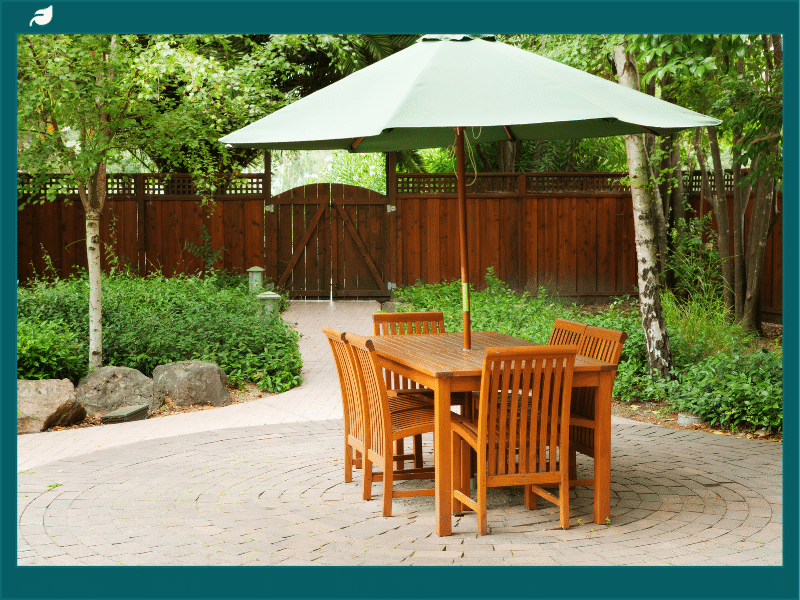
A school playground, a council park and a commercial forecourt may all need seating, fencing and bins, but each places different demands on them. Before comparing products, describe the space: who uses it, how many people are there at peak, what hazards or boundaries need managing and how often staff can inspect and clean. A clear description keeps the brief to suppliers specific and stops you buying equipment that suits a catalogue entry better than a working site.
Then name the purpose of each item. Fencing may separate a sports field from a road, contain a ball, mark a boundary or guide foot traffic. Benches may serve short rests or long gatherings. Bin enclosures may need to hide waste or make it easier to sort. Purpose defines what fit for purpose means, and it is a better starting point than price alone.
Treat durability as a question
Suppliers often describe products as durable. Treat the word as an invitation to ask: durable against what, and for how long? Weather, vandalism, ball strikes, mowing equipment, cleaning chemicals and daily wear are different stresses. Ask what each component is made from, how it is designed to cope with the stresses on your site and what the written warranty covers.
Ask what repair looks like. A fence panel that can be replaced on its own wastes less than a whole section that must be removed. Check whether spare parts, fixings and end caps are available and for how long. A product that can be repaired at modest cost keeps materials in use longer than one thrown away at the first fault.
Finally, ask what maintenance the product needs. Some surfaces need regular cleaning or treatment, and a maintenance plan that nobody has budgeted for tends to be skipped. Record who will do the work, how often and with which materials.
Count the whole life of the purchase
Australian Government procurement guidance says officials must take into account all relevant costs and benefits over the entire life of a procurement. The same guidance lists strategies that reduce demand or unnecessary consumption and end-of-life disposal as examples of sustainable practice. It is written for government buyers, but a school business manager or facilities team can borrow the approach by adding up purchase, installation, upkeep, repair and disposal and comparing options on that basis.
That comparison can change the answer. A cheaper item that needs replacing sooner may cost more over its life than a dearer one that can be repaired, and an item that is not needed at all has the lowest cost of any. Question whether every bench, enclosure and run of fencing is required, or whether an existing item can be moved or repaired.
Disposal deserves a line in the plan. Ask what happens when a product reaches the end of its useful life, whether the supplier or a local contractor can take it back and whether parts can be recycled or reused. If nobody can answer, record that as a risk and do not assume it will sort itself out.
Match suppliers to commercial and public sites
Australian suppliers such as Felton Industries list sports fencing for schools, clubs and sporting venues, along with park settings, bench seats and bin surrounds. A range like that lets a buyer see several needs met by one source, which can simplify ordering and maintenance records. It does not show how a given product will behave in your conditions, so use product pages as a prompt for the questions above and ask the supplier to answer them in writing.
Visit comparable installations if you can. Speak with the facilities staff who look after similar sites and ask what has needed repair, what they would change and how long installation took. Their answers carry information that no catalogue can.
Plan inspection and review
Treat installation as the start of a routine. Schedule regular inspections of fences, fixings and seating for damage, rust, wear and loose parts, and record what you find. Early repairs are cheaper and safer than waiting for a failure, and records show whether a product performs as promised.
Safety and design requirements for play areas, sports grounds and public seating vary by site and jurisdiction, so check them with a qualified person before you specify anything.
Review the purchase after a season. Compare the plan with what happened: repairs needed, complaints received, cleaning time and whether use matched your forecast.
Write the brief before you order
Choose one shared space you manage and write a one-page brief covering its users, the purpose of each item, the hazards to manage and the inspection routine. Send your questions on materials, repair, maintenance and disposal to two suppliers, and compare their written answers before you order anything.