Swedwatch, HEKS and the Sierra Leone Network on the Right to Food, known as Silnorf, have published research raising concerns about land rights, livelihoods and benefit sharing around a 10,000-hectare forestry and carbon credit project in Sierra Leone. The project, owned by UK-based Miro Forestry Developments Limited, includes around 5,000 hectares eligible to generate carbon credits in Tonkolili and Port Loko districts. It was registered in 2021 and has generated more than 480,000 credits, including credits issued retrospectively from 2016. The findings place community consent and fair access to carbon revenues squarely within the debate over credible land-based climate finance.
Report Examines Carbon Project
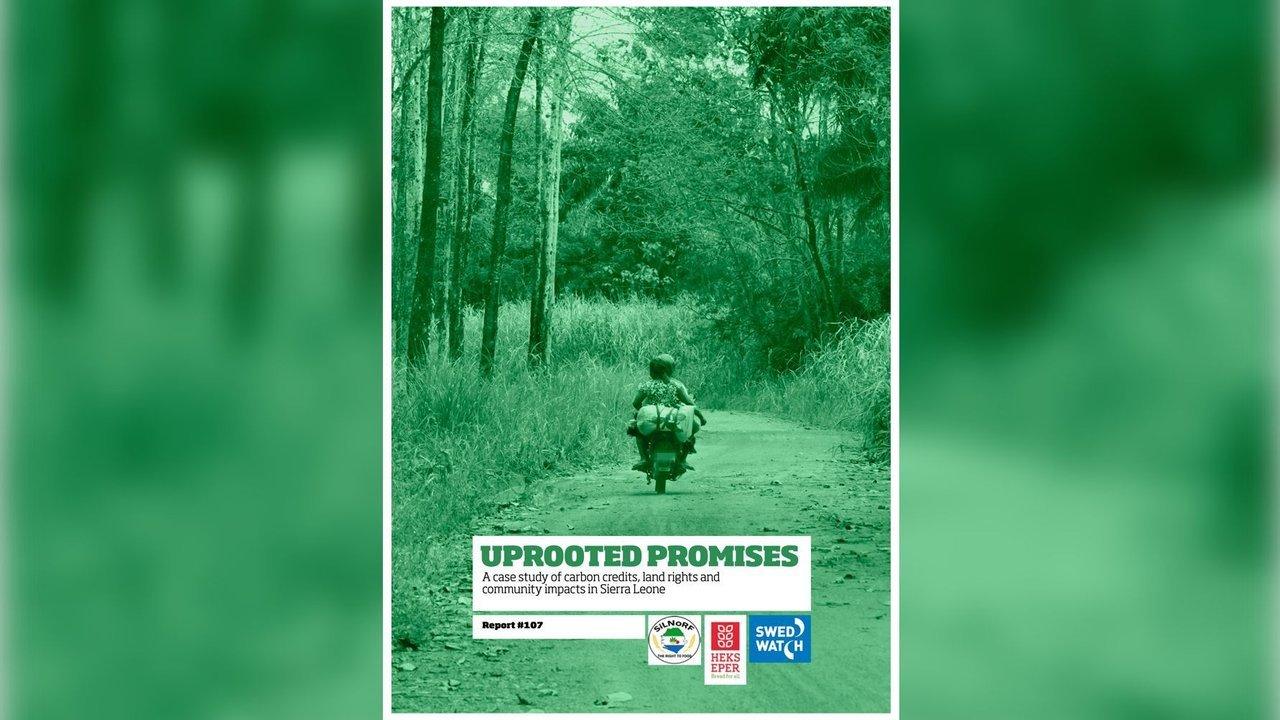
The research is set out in Uprooted promises – a case study of carbon credits, land rights and community impacts in Sierra Leone. Fieldwork was carried out in October 2025 by Swedwatch and Silnorf, with 289 participants from six villages adjoining the plantations, alongside a review of project records. The report assesses the human rights effects of the registered “Reforestation of Degraded Lands in Sierra Leone” project.
Miro established the plantations for commercial timber production and has operated in Sierra Leone since 2012. South Pole was appointed to support registration under Verra’s Verified Carbon Standard, allowing the resulting credits to be sold.
Davide Maneschi, Programme Officer at Swedwatch and co-author of the report, said:
“Voluntary and compliance carbon markets are expanding rapidly and many actors turn to climate offsets to meet regulatory obligations or support net-zero claims. But climate action must not come at the expense of human rights and of the people living on and depending on the land. Our research shows that, to avoid social impacts, carbon credit projects should build on strong human rights safeguards, meaningful consultation and continued dialogue with communities,”
Community Accounts Of Land Use
The organisations identified a gap between official project documents, third-party audits and accounts from residents. Interviewees reported limited consultation and negotiation before land acquisition, while some said land described in project materials as degraded had been used for subsistence farming and harvesting natural resources.
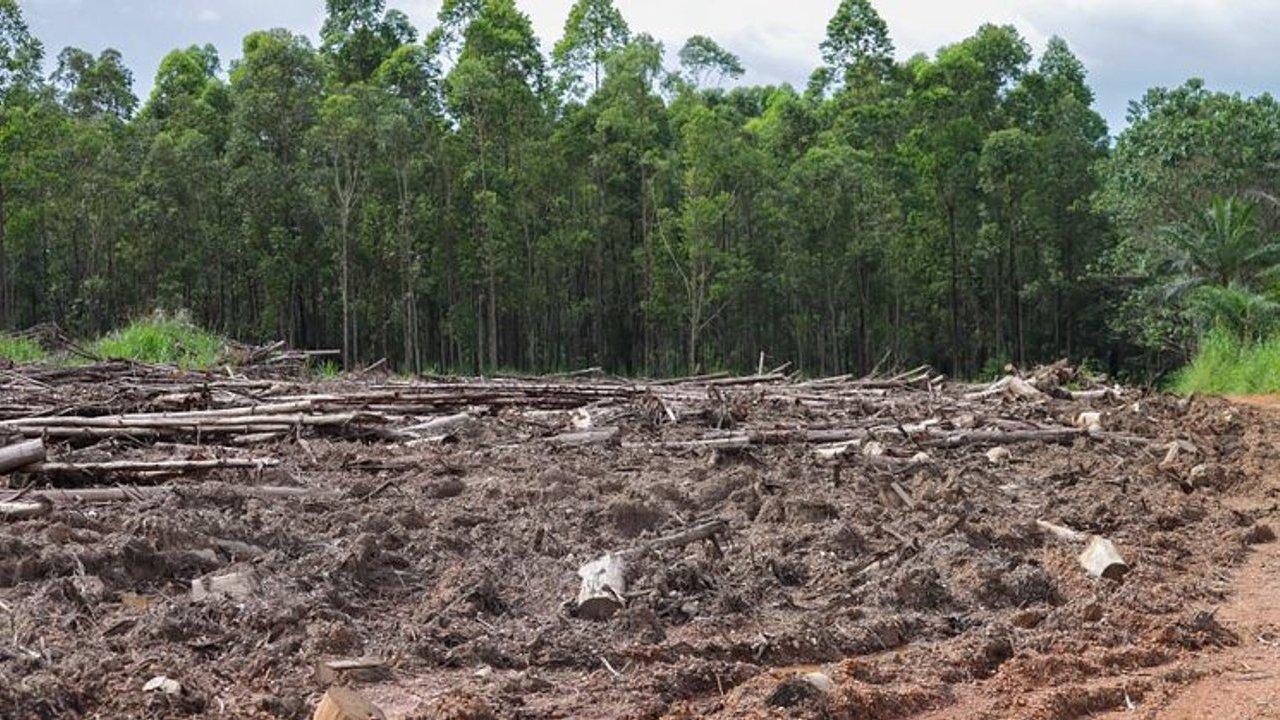
Residents reported that plantation development restricted access to land, fruit trees and firewood, with consequences they linked to food insecurity and poverty. Several interviewees said they did not know the duration of land leases. Residents, key informants and some local authorities also reported being unaware that the plantations were registered as a carbon project, believing that they were solely used to produce timber.
Abass John Kamara, Deputy National Coordinator at Silnorf, said:
“During the fieldwork, we saw a clear gap between formal consultation and meaningful community participation, particularly for women. Communities need to understand and genuinely consent to decisions affecting their land,”
The report places particular emphasis on women’s experience. Women interviewed said they had lost access to natural resources and were largely excluded from consultation processes and lease payments, which were typically distributed to male elders. Landowners also described annual rent of USD 12 per hectare as inadequate for the loss of subsistence income and support for large families.

Benefit Sharing Under Scrutiny
How carbon revenues reach communities is another central concern. Miro reported USD 6.7 million in carbon credit sales revenue across its two African projects in 2024. Project records state that a sharing agreement giving 5% of net profits to a community fund was enclosed with the land lease, yet interviewed landowners said no share of proceeds from credit sales had been received and no operational revenue-sharing mechanism was functioning.
Miro told Swedwatch that it had not yet made a net profit, a position the report says is confirmed by its financial disclosure. The company has also stated its commitment to reviewing a revenue-based benefit-sharing mechanism from January 2027 as a possible alternative to profit sharing.
Alhaji Amdu Bunduka, Head of Research and MEAL Manager at Silnorf, said:
“For the communities we visited, land is much more than property; it is their source of food, income, and survival. Losing access to land and natural resources has therefore had direct consequences for their livelihoods,”
The context matters beyond this individual project. The report notes that land-based projects need dedicated land for sequestration and conservation, creating potential tension with agricultural and forestry uses. It also cites Sylvera’s State of Carbon Credits, which reported carbon credit spending of more than USD 1 billion in 2025.
Project Responses And Standards
Swedwatch and Silnorf shared findings with Miro, South Pole and Verra before publication. Miro and South Pole dispute the report’s characterisation of impacts, maintaining that operations comply with relevant local laws, international sustainability standards and validated methodologies. They cited independent third-party certification, including certification by the Forest Stewardship Council.
Both organisations also questioned a methodology based primarily on verbal accounts from a limited number of communities. Miro expressed an intention to investigate and engage on the issues raised, and to improve practices where needed. South Pole stated that it has established third-party assured internal processes for more stringent project screening beyond carbon standards. Verra had not supplied a statement at the time of publication.
Rights Based Carbon Finance
The report recognises reported benefits including tree-cover restoration, local micro-climate improvements and employment opportunities. Yet it says these benefits were unevenly experienced and contested by those interviewed. It refers to the UN Guiding Principles on Business and Human Rights, which state that positive contributions do not remove a company’s responsibility to respect human rights throughout its operations.
Its recommendations call for Miro to renegotiate leases in line with Sierra Leone’s 2022 Customary Land Rights Act, implement a revenue-based benefit-sharing model and support women’s participation in land governance. South Pole and Verra are asked to strengthen human rights due diligence, auditor oversight and engagement with affected communities. The Government of Sierra Leone is urged to protect customary land rights, provide effective grievance mechanisms and require investor transparency.
The case offers a clear test for carbon market credibility: climate finance must be matched by informed community participation, transparent benefit sharing and safeguards that work on the ground. For project developers, standards bodies and credit buyers alike, these principles are essential to ensuring that emissions claims are not separated from the rights and livelihoods of people living on the land involved.