Operational sustainability, infrastructure decisions and resilience for businesses operating in capital-constrained markets
YES (Your Equipment Suppliers) is a Caribbean-based B2B platform focused on helping small and mid-sized businesses make sound production infrastructure decisions in under-resourced environments. The platform supports founders operating with limited access to capital, skills and reliable infrastructure, where early system and equipment choices can quietly undermine long-term viability.
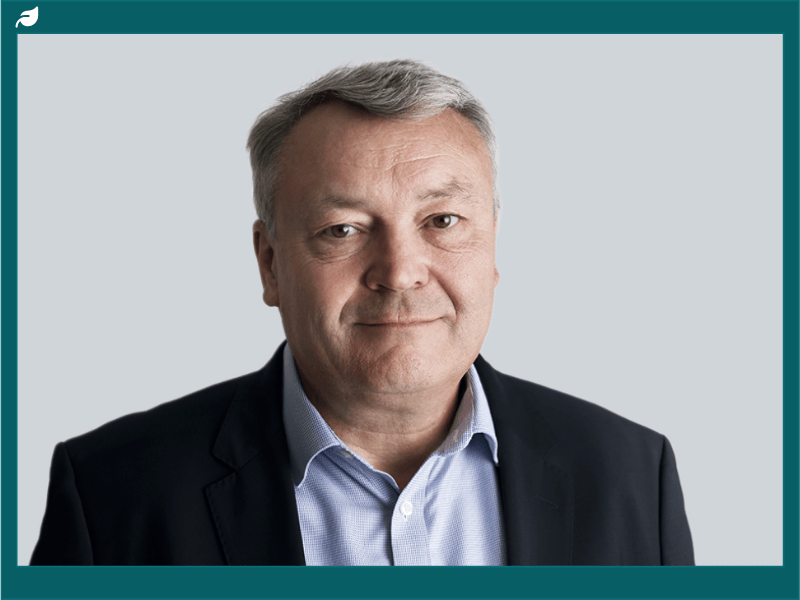
Krystle Phillips is the Founder and CEO of YES (Your Equipment Suppliers). She works with businesses across the Caribbean and other under-resourced markets to align assets, training and systems for long-term operational resilience. She can be found on LinkedIn.
Please introduce yourself to our readers and tell us a bit about your role at YES and the challenges your platform is designed to solve for small and mid-sized businesses.
I’m the Founder and CEO of YES (Your Equipment Suppliers), a Caribbean-based B2B platform that helps small and mid-sized businesses make sound production infrastructure decisions in under-resourced and capital-constrained environments. We work with founders who cannot afford expensive mistakes and need systems that function reliably under real operating conditions.
My role spans systems design, supplier governance, and decision frameworks around equipment selection, production readiness, and long-term operational viability. YES exists because many businesses fail not due to lack of demand, but because early infrastructure decisions quietly erode cash flow, capacity, and people over time.
We help founders make durable, informed choices that support growth without creating hidden fragility.
“Many businesses fail not due to lack of demand, but because early infrastructure decisions quietly erode cash flow, capacity, and people over time.”
You frame sustainability as an operational and structural issue, particularly in capital-constrained and under-resourced markets. What does operational sustainability look like in practice when access to capital, skills, and infrastructure is limited?
Operational sustainability in constrained environments means designing businesses that work under imperfect conditions. It requires selecting assets that can be serviced locally, building processes that match available skill levels, and pacing growth to avoid overextending cash flow.
Rather than optimizing for ideal scenarios, founders must design for resilience. Sustainability is achieved when operations remain stable without constant emergency fixes, heroic effort, or repeated capital injections to correct preventable structural issues.
“Operational sustainability in constrained environments means designing businesses that work under imperfect conditions.”
In markets where capital is tight and infrastructure reliability varies, early equipment and system decisions can have outsized consequences. What are the most common mistakes founders make, and how can they be avoided?
The most common mistake is adopting infrastructure designed for better-resourced markets. Founders are often sold systems that assume stable utilities, abundant technical talent, and fast access to parts and service.
When those assumptions fail, businesses absorb the cost through downtime, waste, and stress. These mistakes can be avoided by slowing the decision process and asking harder questions upfront.
Can this be maintained locally? Who supports it long-term? What happens when conditions are less than ideal? Decision discipline is one of the most underrated sustainability tools.
“Decision discipline is one of the most underrated sustainability tools.”
How do asset selection, supplier governance, and workforce training influence waste reduction and team sustainability in environments with limited technical support and skills pipelines?
When assets exceed operator capability or suppliers are unreliable, waste becomes systemic rather than incidental. Poor alignment leads to product loss, inefficiency, and workforce burnout as teams compensate for failing systems.
Thoughtful asset selection, strong supplier governance, and practical training reduce dependency on constant intervention. Over time, this stabilizes teams, preserves institutional knowledge, and lowers operational risk.
Workforce sustainability is closely tied to whether systems support people or quietly exhaust them.
“Workforce sustainability is closely tied to whether systems support people or quietly exhaust them.”
What role does local production play in reducing import dependency, managing capital risk, and strengthening long-term resilience for businesses operating in under-resourced regions?
Local production shortens supply chains and reduces exposure to delays, currency volatility, and external shocks. It also builds technical capacity within the region, lowering long-term operational risk.
While global sourcing has its place, resilient businesses balance it with local capability. This balance gives founders greater control over quality, costs, and continuity.
This is especially important in environments where disruption is not the exception but the norm.
“Resilient businesses balance global sourcing with local capability.”
What exciting plans and goals do you have for the next few years?
Over the next few years, my focus is on deepening YES as a decision support and education platform rather than simply a sourcing channel. This includes expanding structured guidance around asset lifecycle planning, operator training, and peer support for founders navigating similar constraints.
I am also in the ideation stage of a B2B communication platform for new versus seasoned business owners. The goal is to help more businesses become structurally sound from the inside out.
That way, growth does not come at the expense of people, capital, or long-term viability.
“The goal is to help more businesses become structurally sound from the inside out.”