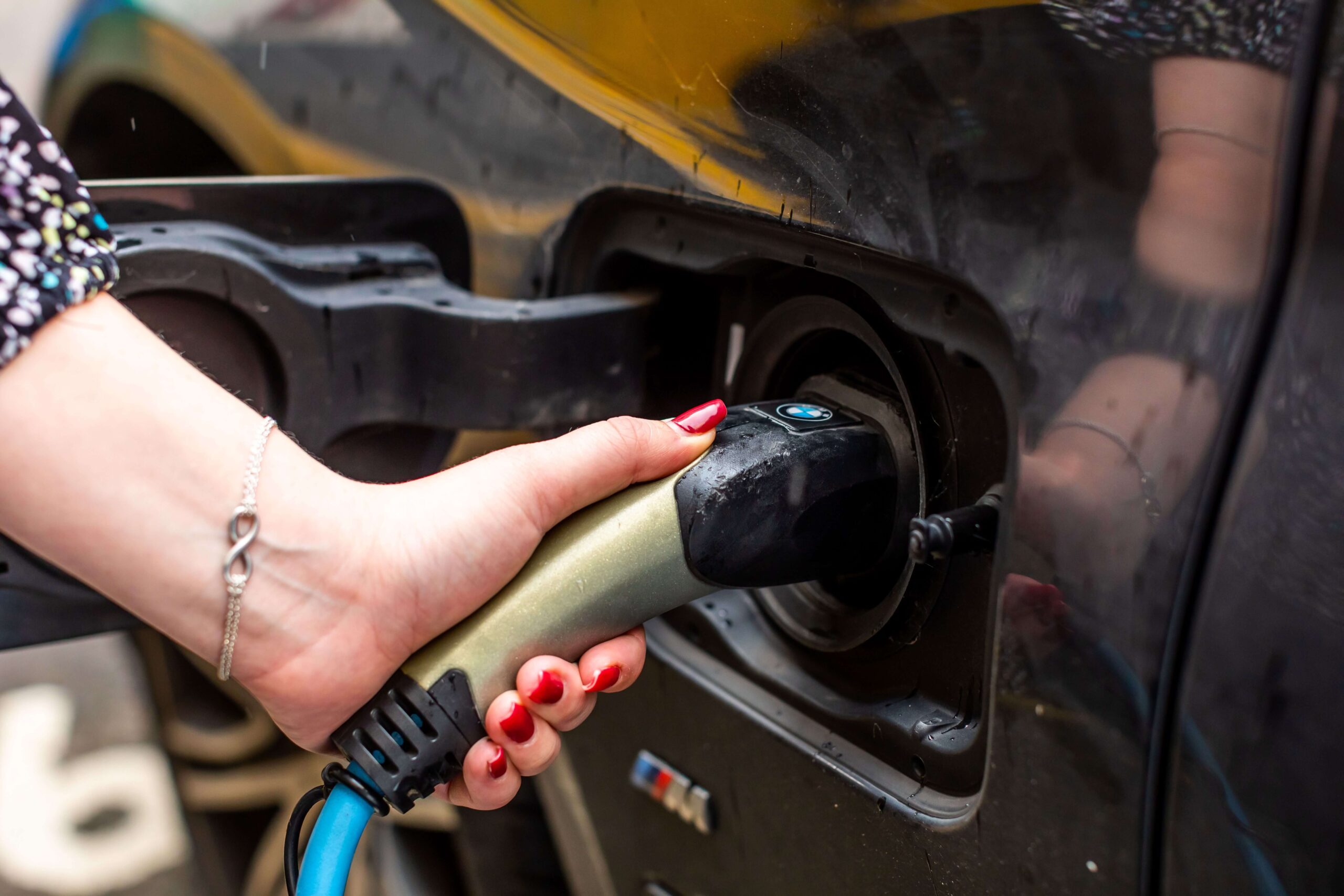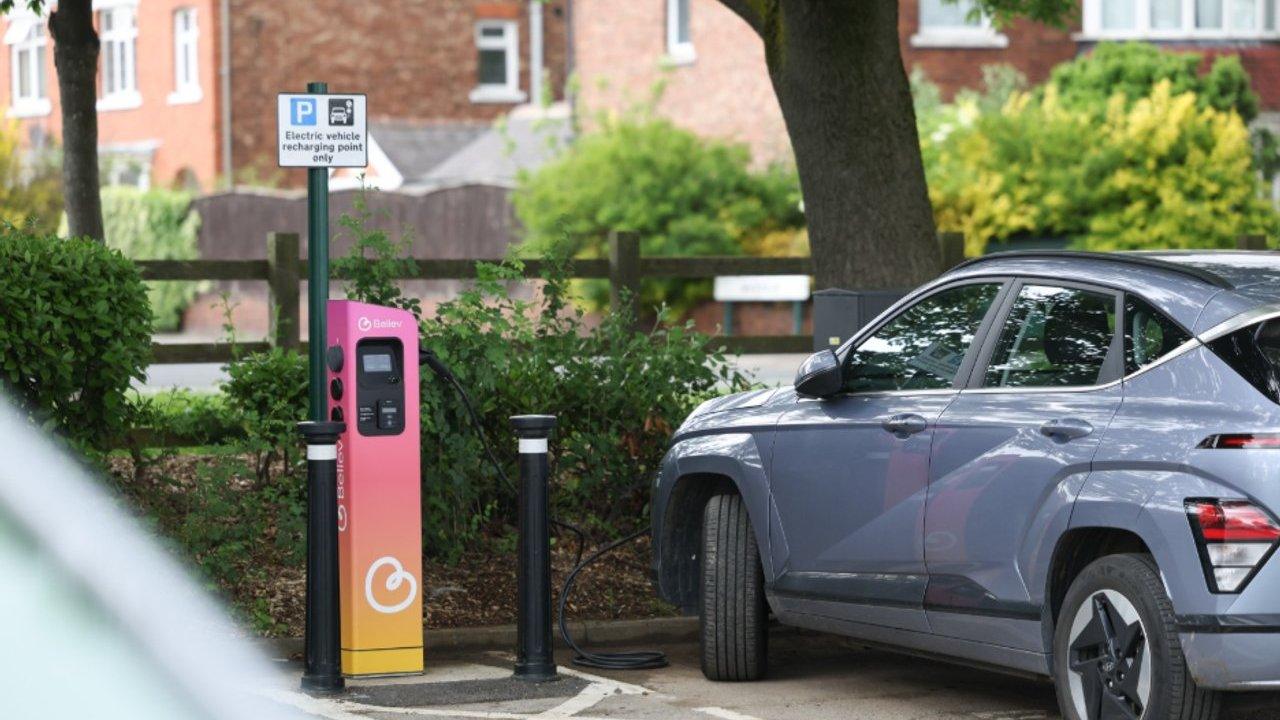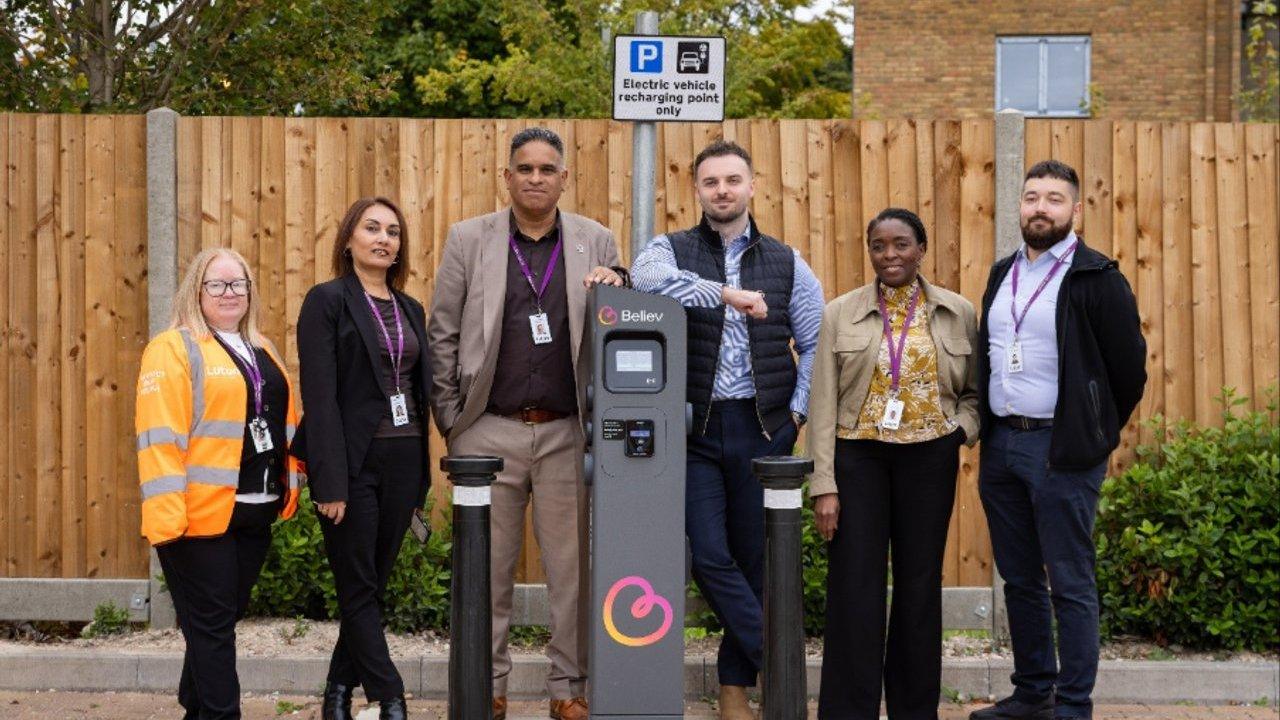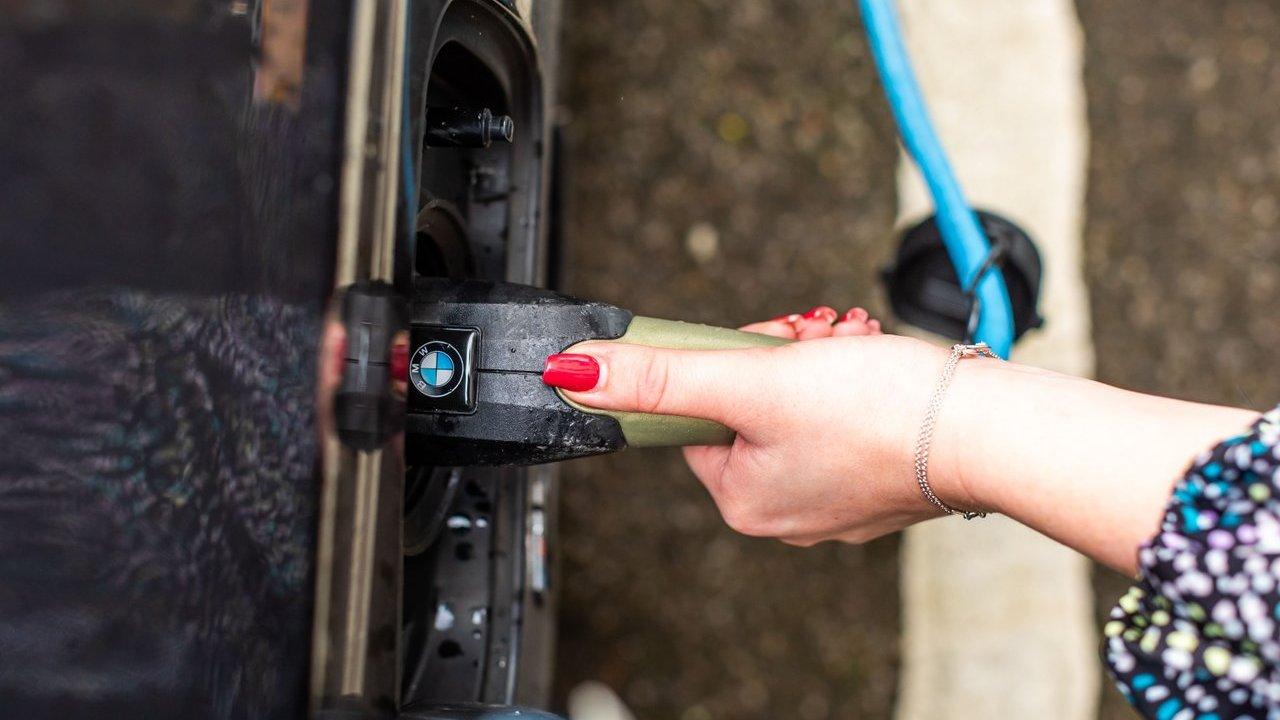
UK Power Networks now automatically approves more than 86% of domestic applications for electric vehicle charge points and heat pumps, up from 70% a year ago. The electricity distributor says the progress will help customers install low carbon technologies faster while retaining its technical, safety and reliability standards. Approval rates for EV charge points reached 88% in June 2026, while heat pump approvals reached 86%. The company has also retained the top position for auto-approvals for two consecutive years in an annual league table published by Octopus Energy.
Faster Routes To Connection
Connecting electric vehicle chargers and heat pumps to local electricity networks can require an application process to establish whether the existing network can support the new equipment. Automatic approval can reduce the time required for eligible domestic installations, helping installers and households move ahead more quickly.
UK Power Networks’ overall automatic approval rate has risen by more than 16 percentage points in a year. The separate figures show progress across both technologies: EV charge point approvals increased from 68% in July 2025 to 88% in June 2026, while heat pump approvals increased from 74% to 86% during the same period.
The increase reflects investment in digital tools and continuing changes to the company’s approval processes. It also offers a practical example of how network operators can make the installation process simpler as customers choose electric vehicles and low carbon heating.
Ashley Southgate, low carbon technology strategy manager at UK Power Networks, said:
“As more customers move to electric vehicles, heat pumps and other low-carbon technologies, it’s vital that connecting them to the network is simple and straightforward.
Improving Application Quality
Automatic decisions depend on applications being submitted with the right information. UK Power Networks has worked with installers and industry trade associations to improve understanding of the requirements, reducing avoidable errors and increasing the proportion of applications completed correctly first time.
This work is important for the people carrying out installations as well as customers waiting for a connection decision. Clearer requirements can reduce repeat submissions and give installers more certainty about the steps needed before equipment is installed.
The company’s approach combines installer engagement with enhanced digital tools. That combination has supported higher approval rates without changing the standards applied to applications.
Ashley Southgate, low carbon technology strategy manager at UK Power Networks, said:
“By investing in smarter digital tools, streamlining our processes and working closely with the industry, we’ve increased automatic approvals while maintaining the high safety and reliability standards our customers expect.
Installer And Platform Support
Collaboration with installers has been a central part of the programme. The release identifies charge point installers and trade bodies among the partners that have contributed support and challenge as UK Power Networks has refined its processes.
Renbee, whose managing director Tej Patel commented on the scheme, highlighted the role of UK Power Networks’ Smart Connect operating model. The company views the process as relevant to installer adoption, response times and confidence between technology platforms, installer networks and distribution network operators.
Tej Patel, managing director at Renbee, said:
“Smart Connect and the operating model that underpins it from UK Power Networks is not only critical to the adoption of low carbon technologies, it sets the benchmark all other distribution network operators (DNOs) should strive for. It’s not just the focus on customer journey but the drive to improve approval thresholds, reduce response times and increase installer adoption that enhance trust between platforms like Renbee, our installer network and the DNO.”
Supporting Net Zero Adoption
UK Power Networks owns and runs the cables and substations that deliver electricity from the national grid to 8.5 million homes and businesses across London, the South East and East of England. As more households adopt electric vehicles and heat pumps, the process for connecting these technologies becomes an increasingly visible part of the electricity system.
The latest figures show that a larger share of applications can now move through an automatic route. For customers and installers, that can mean a more straightforward path from application to installation. For UK Power Networks, it provides a measurable outcome from its work on digital tools, process improvements and industry collaboration.
Ashley Southgate, low carbon technology strategy manager at UK Power Networks, said:
“This success reflects a genuine collaboration across the industry. It is thanks also to our partners who include charge point installers, and trade bodies for their support and challenge, as well as the outstanding teams across UK Power Networks. Together, we’re ensuring the network helps enable the UK’s transition to Net Zero.”