The Wildlife Trusts, Trent Rivers Trust and Intact Insurance have published the Rivers 2040 Vision, setting out a catchment-wide plan for restoring the River Trent. The analysis estimates that investing £43 million annually over 30 years could generate approximately £10 billion in economic benefits. It finds that every £1 invested in nature-led river restoration could return more than £7 in benefits for nature, communities and the economy. The Vision presents the Trent, England’s longest river from source to sea, as a practical model for improving whole river systems across the country.
A Catchment Scale Blueprint
The Rivers 2040 Vision assesses the environmental, economic and social value of restoring the River Trent across its 350km of catchments, floodplains and riverbanks. Its proposals arrive as drought, flooding, pollution and unequal access to nature place increasing pressure on England’s waterways.
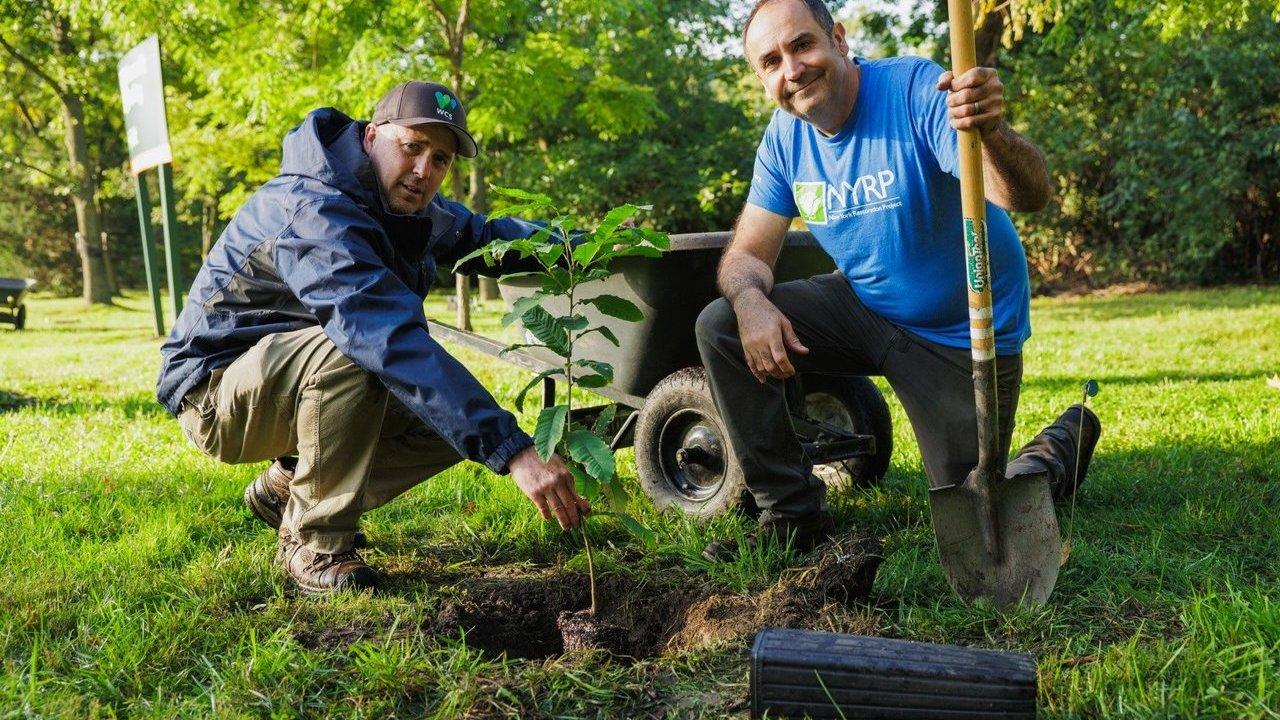
The report argues that local authorities, businesses, communities and land managers need to work together across complete catchments. It identifies wetland restoration, beaver reintroductions, river rewiggling, wet woodland creation and natural flood management among the measures already being used to improve river health.
Across the Trent, the report identifies potential benefits including carbon sequestration, cleaner water, flood management, green job creation, recreation and improved health outcomes. It also points to changes in farming practices and the repurposing of former power stations and gravel pits as part of a wider restoration programme.
Nature Based Solutions At Scale
The Vision calls for nature-based solutions to be deployed across whole catchments rather than through isolated projects. Reconnecting floodplains, restoring wetlands and peatlands, supporting nature-friendly farming and creating wet woodlands could help protect homes, businesses and communities from flood risk and water pollution.
It proposes three broad changes: scaling up restoration measures, giving local areas greater control over water management, and embedding nature-first thinking in long-term water and development policy. The report calls for Regional Water Authorities that can bring together locally focused investment and expertise.
Dr Rob Stoneman, director of landscape recovery at The Wildlife Trusts, said:
“ As our mapping of the River Trent proves, we must work together across whole catchments – and the communities, businesses and local authorities within them – to embed nature-based solutions into the heart of river restoration efforts. Only then, with national and regional policy recognising that nature is necessary to the health of our waterways, can investment in river recovery truly deliver greater climate resilience, local prosperity and bring wildlife back to our waterways.”
Pressure On England’s Rivers
The Vision is published against a difficult national backdrop. Just 14% of rivers currently meet ecological health standards, while many have not improved since their condition was last reported in 2019. The Government is also likely to miss legal targets to restore almost 80% of England’s waters by 2027, according to the Office for Environmental Protection.
Flood risk is another central concern. The release states that one in four properties could be at risk of flooding by 2050 without action, strengthening the case for restoring natural features that can hold and slow water across landscapes.

The report presents river restoration as both an environmental measure and an economic proposition. Its analysis suggests that investment can support communities while addressing the connected pressures of climate resilience, water quality and habitat recovery.
Insurance Sector Support
Intact Insurance has supported the Vision alongside The Wildlife Trusts and Trent Rivers Trust. The insurer’s involvement reflects the direct connection between healthier floodplains and wetlands, reduced flood risk, and the resilience of places where people live and work.
Chris Reid, deputy senior vice president at Intact Insurance, said:
“As extreme weather becomes more frequent, we need to think differently about how we protect our communities. Restoring rivers, floodplains and wetlands can help manage water, reduce flood risk and make the places where people live and do business more resilient.”
The Vision also places accountability at the centre of its recommendations. It argues that responsibility for river health is currently fragmented, with no single body accountable for tackling pollution and pressure on water resources across England’s waterways.
A River Reset
The Rivers 2040 Vision has been released alongside A River Speaks, an immersive film following the River Trent from source to sea. Voiced by Line of Duty actor Vicky McClure, the film features conservationists, farmers, schoolchildren and communities working to restore the river and reconnect people with it.
The film premiered at the Blue Earth Summit on 14 October. Together, the film and the Vision make the case for a national “great river reset”, with restoration planned at the scale needed to bring rivers back to health.