The logistics industry is approaching a pivotal shift. While the roar of diesel engines has been the soundtrack of freight for decades, the conversation is increasingly turning to the silent hum of electric motors.
For the LTL freight shipment sector, this isn’t just a distant, idealistic vision; it’s becoming a practical question of operational efficiency. As leading carriers begin integrating electric vehicles (EVs) into their networks, a clearer picture emerges of how this technology fits into the complex world of freight shipment.
Why LTL Transportation is a Prime Candidate
LTL operations, which consolidate shipments from multiple customers into a single trailer, are inherently suited for early EV adoption. Unlike long-haul truckload carriers that traverse thousands of miles across interstate highways, LTL fleets typically operate on a hub-and-spoke model . Local pickup and delivery (P&D) routes usually run predictable 100- to 250-mile daily loops, a range that comfortably fits within the capabilities of current electric models .
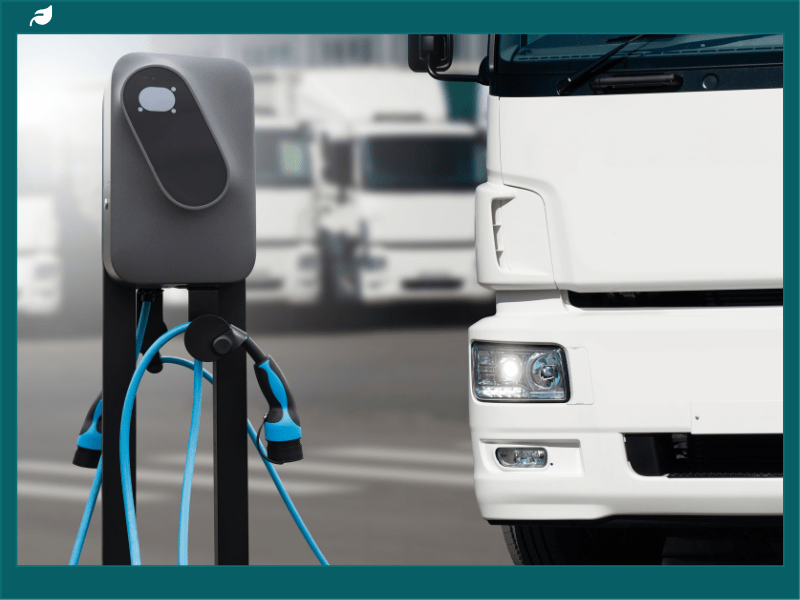
The infrastructure requirements also favor LTL. Instead of relying on a patchwork of public charging stations along highways, LTL carriers can install depot chargers at their service centers. This allows trucks to recharge overnight or during dock loading, integrating seamlessly into existing workflows .
Environmental and Sustainability Benefits
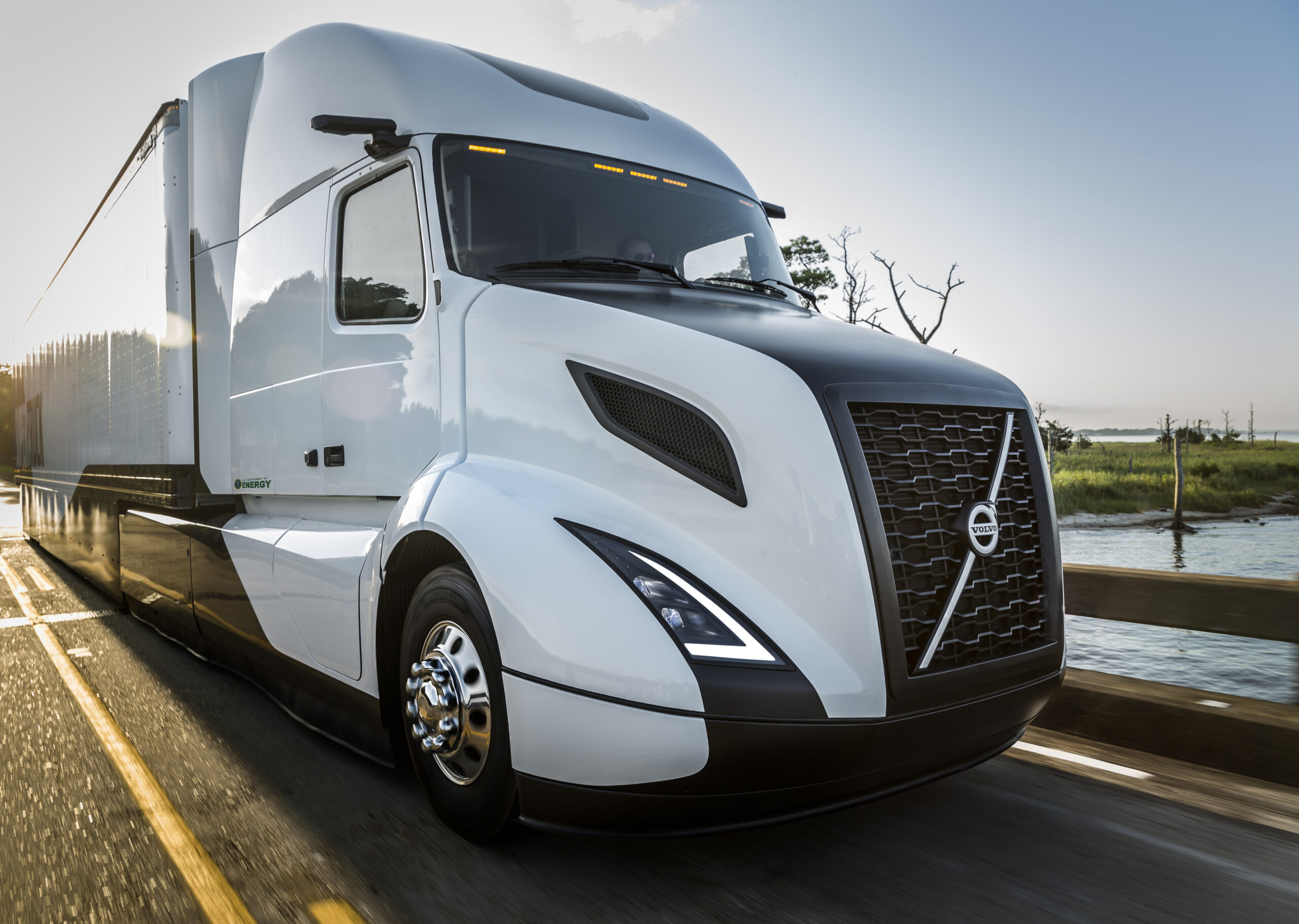
The movement toward electrification has been highly motivated by sustainability objectives, and the implications are massive. While the heavy – duty vehicles may comprise only 10% of all the vehicles in the US, they generate up to 28% of the carbon emissions within the transportation industry. Compared to their diesel counterparts, the battery-powered heavy – duty trucks have been found to emit up to 44 – 79% less greenhouse gases during their lifecycle. As the electric power network gets greener, the gap widens.
The local air pollution benefits are striking as well. Being a leading contributor to the emission of NOx and PM2.5, the diesel vehicles pose serious health risks to the nearby communities. Electric trucks, which produce no tailpipe emissions, would alleviate the health risk considerably. Another strong sustainability factor lies in the efficiency of the electric powertrains, which is roughly 90% versus 20-40% for internal combustion engines.
Major Sustainability Concerns
Despite the positive factors listed above, there are challenges associated with the move towards electrification, and the most notable one is cost-related. Construction of charging infrastructure, especially depot chargers, comes at a considerable expense.
Fleets must carefully evaluate the total cost of ownership, balancing higher equipment costs against long-term fuel and maintenance savings.
Other operational challenges include payload weight constraints and battery supply chain concerns. Heavy battery packs can reduce a truck’s cargo capacity, though LTL freight often “cubes out” (fills the trailer’s volume) before it “weighs out,” mitigating this issue. Furthermore, sourcing the critical minerals for batteries and scaling end-of-life recycling remain crucial parts of the total environmental equation.
The Future is a Portfolio Approach
The industry is moving away from the idea of a single “silver bullet” solution. As the North American Council for Freight Efficiency emphasizes, the path to decarbonization involves a portfolio of technologies matched to specific applications .
The North American Council for Freight Efficiency found that roughly half of heavy-duty trucks operating today could technically be replaced with electric equivalents based on how those routes are actually driven, though charging infrastructure remains the bottleneck. LTL’s regional, return-to-terminal routes are exactly the kind of duty cycle researchers point to as an early, practical fit for electrification
While challenges like cost and infrastructure remain, the environmental benefits and operational advantages are making electric trucks an increasingly viable reality for the LTL freight shipment industry.