Exploring Joshua Tree National Park
The Joshua tree should not exist. It grows in one of the harshest deserts on earth, twisting its arms toward a sky that barely offers rain, yet it somehow defines an entire national park. U.S. Fish and Wildlife Service reports that climate models predict an 80 to 99.8% reduction in viable Joshua tree habitat at Joshua Tree National Park by the end of the 21st century due to climate and fire impacts. When you camp in Joshua Tree National Park for the first time, that strangeness hits you immediately: the silhouettes at dusk look like something from a fever dream, and the silence is so complete you can hear your own heartbeat.
This is southern California’s most surreal stretch of public land, and it earns that description honestly. Nine campgrounds spread across the park, the rocks glow orange at sunrise, and on a clear night the Milky Way is so bright it casts a faint shadow. If you’ve been scrolling past this park on your road-trip shortlist, stop. It belongs at the top.
What Makes Joshua Tree National Park Unique?
Start with the trees themselves. Known scientifically as Yucca brevifolia, they’re not actually trees at all but a species of yucca that can live for hundreds of years and grow to nearly 40 feet tall. They thrive here precisely because conditions are brutal: thin soil, punishing heat, and almost no rain. That resilience is written into every twisted branch, and it gives the park its unmistakable personality.
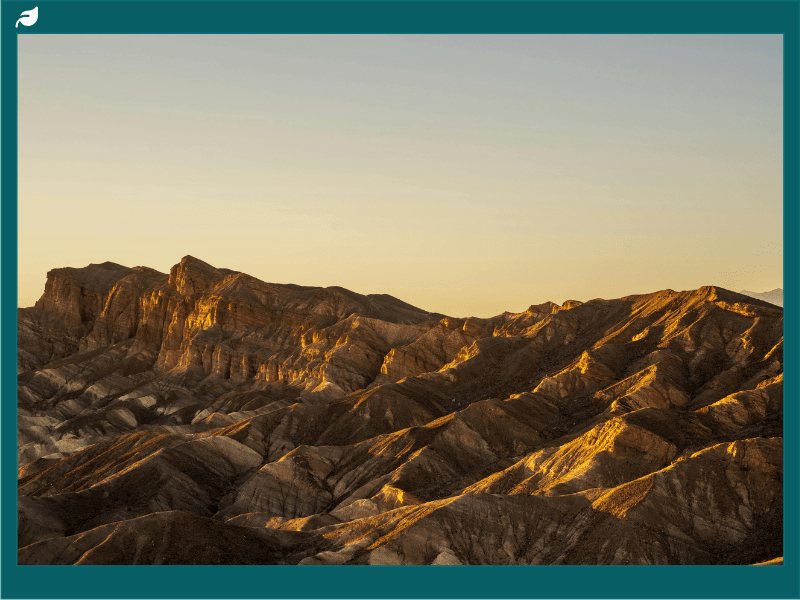
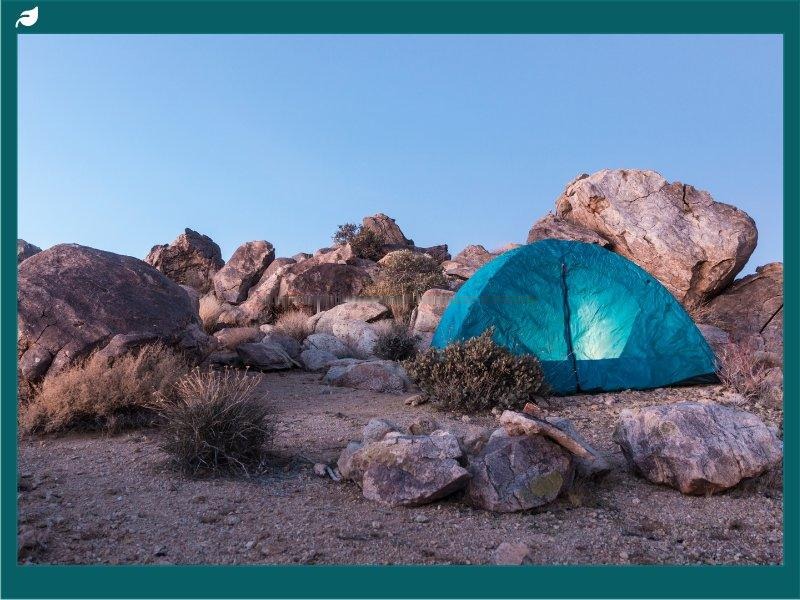
But the geology runs the whole show. The rock formations here were pushed upward by tectonic forces, then rounded by thousands of years of wind and water erosion into smooth, stacked boulders the size of houses. Climbers come from across the world for them. Photographers camp beside them for the golden hour.
Kids scramble up them before breakfast. The rocks are not a backdrop; they’re the main event.
Here’s the thing most people don’t realize until they’re standing in it: Joshua Tree National Park sits where two deserts meet. The lower Colorado Desert bleeds into the higher Mojave Desert right inside the park boundary, which means the plant communities shift as you move through it. Drop in elevation and the Joshua trees thin out, replaced by cholla cactus and ocotillo. Climb back up and the iconic silhouettes return.
That transition happens across just a few miles of road.
Then there’s the sky. At nearly 5,000 feet above sea level in places, with no major city close enough to wash out the darkness, the park delivers some of the best stargazing in California. Spending the night here and watching the stars emerge is not a bonus feature. It’s the point.
That single night under a sky this dark will reorganize your sense of what stargazing actually means, and it’s the reason so many visitors who planned a weekend end up booking another trip before they’ve even driven home.
The Best Time to Visit for Camping
Spring, March through May, is the sweet spot. Daytime temperatures stay reasonable for hiking, wildflowers push through the desert floor in a genuinely surprising riot of color, and the park feels alive in a way that mid-summer cannot match. Fall, October through November, runs a close second, with similarly mild weather and noticeably thinner crowds than spring.
Summer is a different story. Temperatures regularly push past 100 degrees Fahrenheit, sometimes well past. If you choose to camp in Joshua Tree national park in July or August, plan every active hour before 9 a.m. or after 5 p.m., carry far more water than you think you need, and accept that midday belongs to the lizards.
The night, at least, brings genuine relief from the heat, and that drop in temperature after sunset is one of the few things summer camping in the park has going for it.
Winter brings its own quiet reward. The rocks sometimes wear a thin frost in the early morning, the light is extraordinary, and the campgrounds are rarely crowded. Nights get genuinely cold, so pack accordingly, but the daytime hiking can be excellent. A winter night here, clear and bone-dry, produces some of the sharpest stargazing of any season, with no humidity to blur the view.
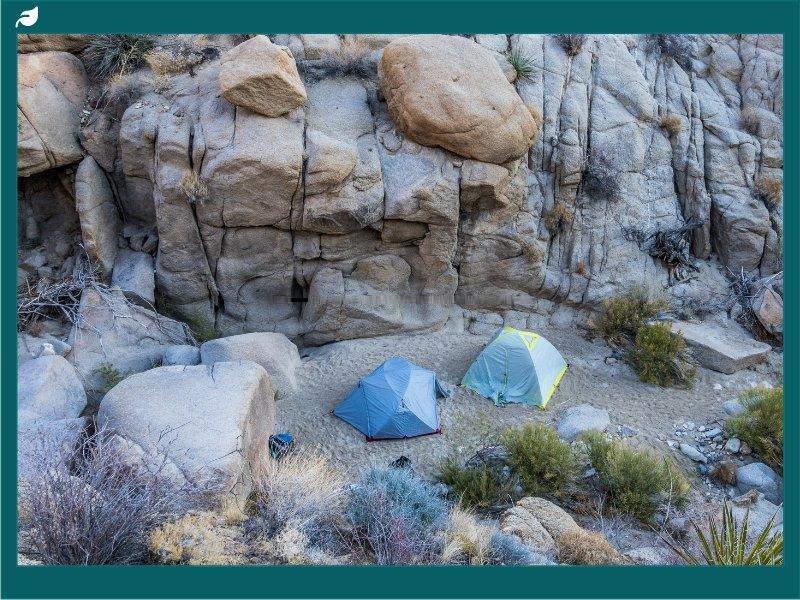
Reservation timing matters enormously here. Several campgrounds require advance booking through recreation.gov, particularly from October through May when visitor numbers peak. Others run on a first-come, first-served basis, which means showing up Friday afternoon during spring break and hoping for the best is a losing strategy. Plan further ahead than feels necessary.
The park is popular, and it shows.
Choosing the Right Campgrounds
Nine campgrounds, each with a different character. That range is one of the park’s great strengths, because “camping in Joshua Tree” covers everything from a shaded site surrounded by boulder walls to an open desert flat where you can see the horizon in every direction. Knowing what each campground offers before you arrive turns a good trip into a great one.
Some sites take reservations; others fill up fast on a first-come basis. Amenities vary more than you’d expect, from campgrounds with running water and flush toilets to remote spots with nothing but pit toilets and the sound of the wind. Matching your expectations to the actual conditions at your chosen site is the single most important piece of planning you can do.
Overview of Park Campgrounds
The nine campgrounds inside Joshua Tree national park range from well-developed spots near the park’s main entrances to stripped-back desert camping with minimal infrastructure. Hidden Valley and Jumbo Rocks consistently draw the most attention, and for good reason: both sit among extraordinary rock formations and put you close to the best trails and climbing areas in the park.
At the more developed end, you’ll find campgrounds with running water, flush toilets, and dump stations. At the rustic end, expect pit toilets, no water, and sites that require you to pack in everything you need and pack out every scrap of waste. That’s not a complaint; it’s part of what keeps those areas wild.
A few things apply across almost all campgrounds in the park: no hookups for RVs, bear boxes or hard-sided containers required for food storage, and quiet hours that the rangers take seriously. Some campgrounds can be reached directly by vehicle; a handful of backcountry options require a short hike. Most have picnic tables and fire grates at individual sites, though you should confirm what’s available at your specific campground before you arrive, since conditions and amenities can change seasonally.
Group campgrounds exist for parties that need them, but availability is tight and advance reservation is non-negotiable. Book as early as the reservation window opens, especially if your dates fall in spring or fall.
Reservations: What You Need to Know
Book through recreation.gov. That’s the official government portal for federal campground reservations, and it’s where all advance bookings for Joshua Tree’s reservation-based campgrounds live. The site is straightforward once you know your dates and preferred campground, but slots fill fast, sometimes within minutes of opening, for the most popular spots during peak weekends.
From October through May, treat a reservation as mandatory rather than optional. The park sees hundreds of thousands of visitors in those months, and showing up without a booking at a reservation-required campground will send you back to the entrance station empty-handed. Some campgrounds do remain first-come, first-served year-round, which gives you a fallback, but even those fill by Friday evening during busy periods. It is also worth noting that unexpected disruptions can upend reservation plans entirely: during the 2026 federal government shutdown, all standard campground reservations at Joshua Tree National Park were canceled and refunded, converting all campgrounds to first-come, first-served despite the park remaining open. Checking the park’s official channels close to your arrival date for any policy changes is always a sound precaution.
For group campgrounds, start the reservation process earlier than feels reasonable. A group site at Hidden Valley or near Jumbo Rocks during spring break or a holiday weekend might need to be booked months out.
One practical note: campsite information on recreation.gov includes photos, amenity lists, and recent reviews from other campers. Read those reviews. They’ll tell you whether the pit toilets at a given campground were clean last month, whether the water was turned off for the season, and whether the neighboring campsites are close enough to make privacy a fantasy. That ground-level intelligence is worth ten minutes of your time before you commit.
Top Camping Spots Within the Park
Two campgrounds get mentioned in nearly every conversation about where to camp in Joshua Tree national park: Hidden Valley and Jumbo Rocks. Both sit in the park’s northwestern section, surrounded by the boulder formations that define the landscape. Both are first-come, first-served. And both will remind you why you came here.
Camping at Hidden Valley
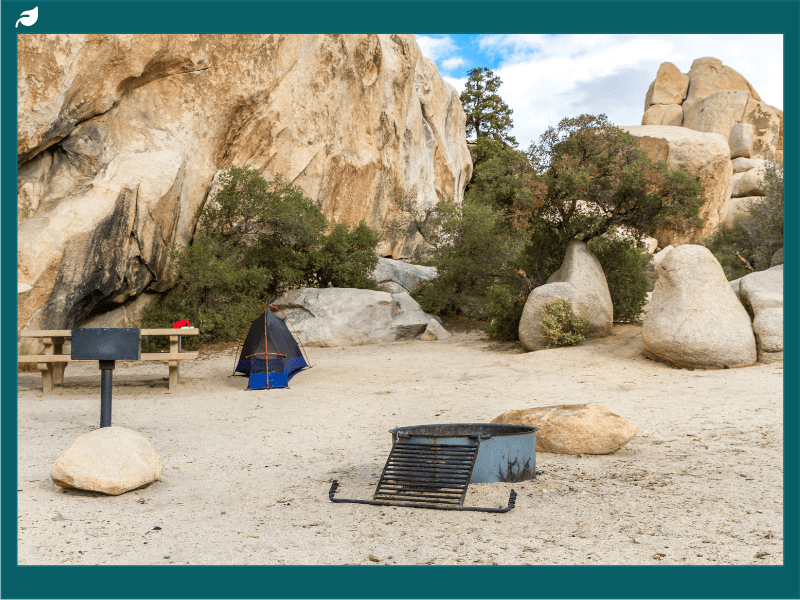
Hidden Valley sits at just over 4,200 feet, tucked inside a natural ring of rock that feels almost architectural. The boulders close in around the campground on multiple sides, cutting the desert wind and creating a sense of enclosure that most desert camping completely lacks. It’s intimate in a way the open flats are not.
This campground runs on a first-come, first-served basis, full stop. There’s no reservation option, which means your arrival time determines everything. During spring and fall, sites here are gone by Friday midday, sometimes earlier. Midweek visits in shoulder season give you a genuine shot at walking in and finding a spot.
Weekend peak-season visits require an early start and a backup plan.
The campsite facilities are intentionally minimal: picnic tables, fire rings, and pit toilets. No water. Bring everything you need, including enough drinking water for your entire stay, because there’s no tap to top up from. That requirement keeps the campground from feeling overrun, and it keeps the experience honest.
What Hidden Valley gives you in return is access to some of the best rock climbing in the park. Intersection Rock sits right at the entrance to the campground. The Barker Dam trail, one of the park’s most rewarding short hikes, starts nearby. In the evening, the rock walls catch the last light and glow amber while the rest of the desert goes grey.
That hour, right before full dark, is worth planning your whole trip around. And then the night takes over completely: without water infrastructure or generator noise, the campground goes genuinely quiet after dark, and the sky above the rock walls is extraordinary.
The relative shelter of the valley also means temperatures here run slightly cooler than at lower-elevation campgrounds during summer, though “slightly cooler” in a desert environment is a relative term and still requires serious heat preparation. For spring and fall campers, the elevation makes Hidden Valley genuinely comfortable in the middle of the day, which is rarer in this park than you’d think.
The Scenic Beauty of Jumbo Rocks
Jumbo Rocks sits at approximately 4,400 feet and delivers a landscape so visually striking that first-time visitors often stop their cars just to take it in before they’ve even parked. The boulders here are enormous, rounded, and piled in formations that look structurally improbable. They create alcoves, corridors, and elevated platforms that turn the campground itself into an exploration. You don’t need to drive anywhere to find something worth seeing; it’s surrounding every single site.
This campground is also first-come, first-served, with the same early-arrival logic that applies at Hidden Valley. At 4,400 feet, the elevation keeps the nights cool and the air clear, and that clarity is what makes Jumbo Rocks a magnet for astrophotographers. The Milky Way rises above the boulder silhouettes here in a way that is genuinely hard to describe without sounding melodramatic. Come in a new moon period and the night sky will justify every hour of the drive.
Stay two nights if you can, because the first night you’ll spend staring upward, and the second night you’ll actually remember to bring your camera.
The facilities are basic: picnic areas and vault toilets rather than flush facilities, no running water on site. Campers need to bring all their water in. Pack generously. The distance from the nearest resupply point makes running short a much bigger problem here than it would be closer to town.
Ecologically, the area around Jumbo Rocks is one of the richest in the park. The Joshua trees grow densely through the campground, lizards dart between the boulders all morning, and with patience at dawn or dusk you might spot a coyote, a roadrunner, or one of the park’s resident birds of prey working the thermals above the rock formations. That biodiversity is part of the campground’s appeal, not just the scenery.
For climbers, Jumbo Rocks is a destination in its own right. The boulders offer routes at every difficulty level, and the campground’s position in the heart of the formation means you can walk from your tent to the base of a climb in minutes. Non-climbers will find just as much to do: the maze of rocks rewards slow exploration on foot, and the high ground on the larger formations offers views across the park that no roadside pullout can match.
Practical Tips for a Memorable Experience
Good camping at Joshua Tree requires preparation that goes beyond packing a tent and a sleeping bag. The desert is genuinely unforgiving when you’re underprepared, and the park’s rules exist to protect both you and an ecosystem that took thousands of years to develop. Get the practical side right and the rest of the trip takes care of itself.
First-Come First-Served Camping Guidelines
The first-come, first-served campgrounds in Joshua Tree reward early arrivals without exception. During spring, fall, and holiday weekends, Hidden Valley and Jumbo Rocks can fill completely before noon on a Friday. If your plan is to drive down Saturday morning and see what’s available, you’re likely camping outside the park.
Arrive Thursday evening or early Friday morning for a weekend trip. Midweek visits from September through November are your best chance at walking into a campsite without stress. Summer weekdays are quieter too, though the heat raises its own set of challenges.
Know your fallback options before you leave home. The park has additional campgrounds beyond Hidden Valley and Jumbo Rocks, and campsite information for all of them is available on recreation.gov even for the walk-in campsites, since rangers sometimes post current availability. A quick check before you drive the final miles can save you a wasted trip. Reading recent reviews on recreation.gov also gives you a realistic picture of what specific campsites look like right now, including whether the pit toilets have been recently serviced and whether any sites are closed for maintenance.
Pack all your water from outside the park for any campground without a water source. The standard recommendation is at least one gallon per person per day; in summer, treat that as a minimum rather than a target. Fire grates are provided at most sites for campfire cooking, and fires are permitted within them when conditions allow, though fire restrictions go into effect during high-risk periods. Always check current fire rules on the park’s website before your trip, since restrictions change with conditions and the desert dries fast.
Check campsite reviews on recreation.gov before committing to a specific spot within a campground. Experienced campers leave genuinely useful notes about site size, shade, proximity to the pit toilets, and noise levels. That kind of detail saves surprises.
Safety and Sustainability Among the Rocks
The rocks are the park’s greatest draw and its most common source of accidents. Climbing on the boulder formations without proper equipment and experience has sent a steady stream of visitors to the emergency room. If you’re not an experienced climber, enjoy the rocks from the ground and on the marked trails. If you are, register with the park and use appropriate gear.
The surfaces look smoother than they are; the drops are further than they look.
Stay on designated paths wherever possible. The desert crust around the Joshua trees and between the rocks is a living biological soil crust that takes decades to recover from a single footstep off-trail. Protecting it is not an abstract environmental concern; it’s how the park maintains the ecosystem that makes it worth visiting.
Water management is the most critical safety factor in the park. Many campgrounds, including Hidden Valley and Jumbo Rocks, have no water on site. Plan your supply from home, carry more than your calculation suggests you need, and don’t rely on finding water within the park once you’ve arrived. Heat illness develops faster in desert environments than most visitors expect, particularly in summer and for visitors arriving from cooler climates.
The combination of dry air and intense sun means you’ll lose water faster than you feel thirsty, so drink consistently rather than reactively.
Pack out everything you pack in. The park has no general waste collection at remote campgrounds. Bag your trash, including food scraps, and take it with you when you leave. Store food in hard-sided containers or the bear boxes provided at sites, both to protect wildlife and to keep the camp clean.
A site left better than you found it is the clearest mark of a camper who understood what this place is.
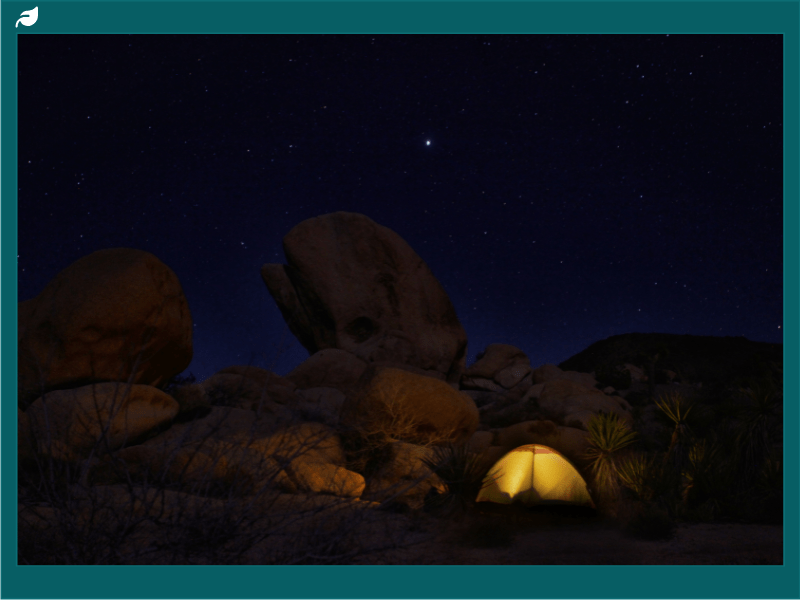
Nights in Joshua Tree are cold most of the year, dropping sharply after sunset even in spring and fall. A sleeping bag rated lower than you expect to need is a simple precaution. The temperature swing between afternoon and midnight can exceed 40 degrees Fahrenheit on a clear spring night, so the jacket you didn’t think you’d need earns its place in the pack every single time. Equally, use the night: step away from the campfire or headlamp, let your eyes adjust for ten minutes, and look up.
The darkness here is exceptional. The park holds designation as an International Dark Sky Park, and the clarity of the sky on a cloudless night is one of the genuinely rare experiences available to anyone willing to drive out here and stay long enough to see it.