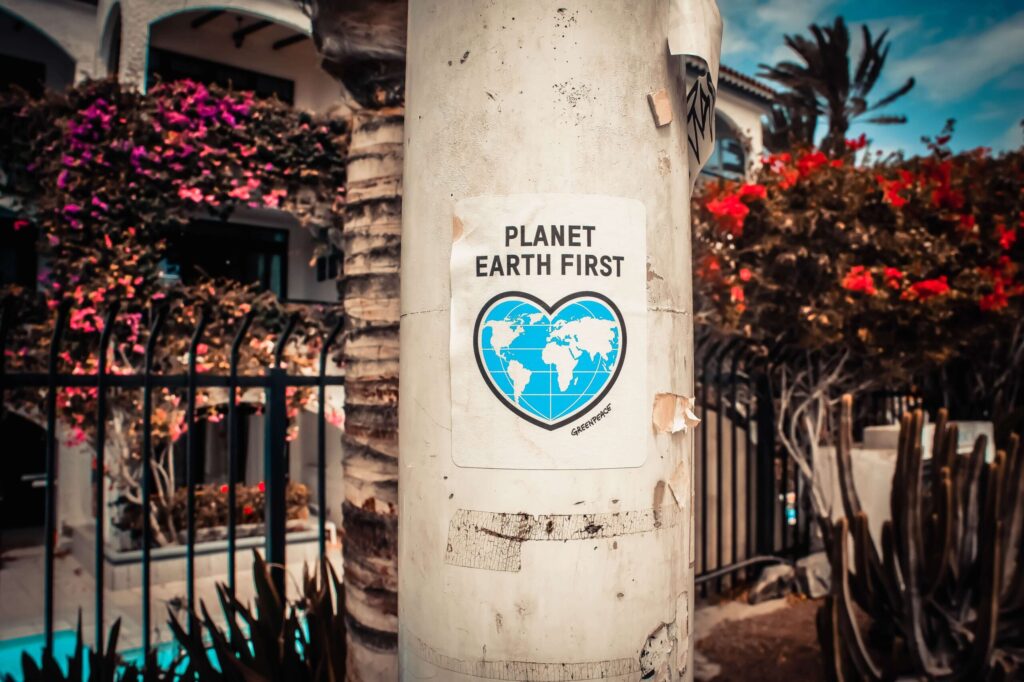
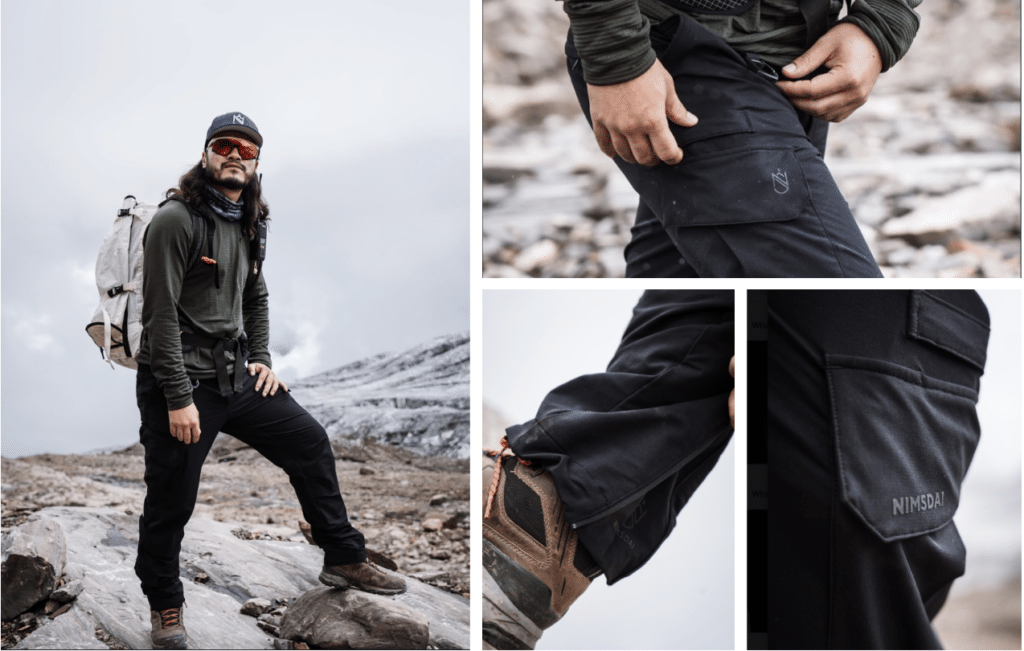
For fashion enthusiasts, starting one’s own clothing line is a dream. For all the new creators, I know what you are thinking: How do I create a clothing brand? To build a brand today is also about being responsible for the planet. Sustainability initiatives and green innovation are not additions—they have become an integral part of a contemporary label.
This guide provides practical steps on how to get started with an eco brand that has sustainability at its heart. All of the strategies will help your brand become stylish and sustainable.
What Elements Should a Sustainable Clothing Brand Have?
An Eco-Conscious Brand Aesthetic
You require an identifiable link to sustainability that sets your brand apart from the competition. Select items made with recycled material and clothes crafted from organic fabrics. Opt for sustainable fibers like organic cotton and recycled polyester, which will make your aesthetic not only durable but also better for the environment. This visual tone aids customers in instantly identifying your brand and building a solid identity that resonates.
Clear Target Audience Positioning
When targeting eco-aware consumers, it is paramount to focus on their way of life, focus on needs, budget, and value set. Such shoppers seek organic materials and durable products. If you design, price, and style your products according to their preferences, then the chances of creating a non-popular product are minimized. Understanding their priorities takes your brand deeper, enabling you to create lasting relationships.
Consistent Quality & Eco-Friendly Materials
Quality is the thing that backs every brand, but it becomes non-negotiable for a sustainable one. If you skimp on materials or production, it will haunt your reputation, especially for everyday pieces like custom shirts. Delivering consistently high quality in an eco-friendly way encourages repurchase and provides priceless word-of-mouth marketing.
Unique Brand Values and Transparent Story
Discuss eco-conscious design ideas, your pledges to deliver environmentally friendly production, and fight adversity. This transparency can help build trust and loyalty with consumers. A real origin story helps you cut through the noise and builds a significant emotional connection with eco-awareness shoppers.
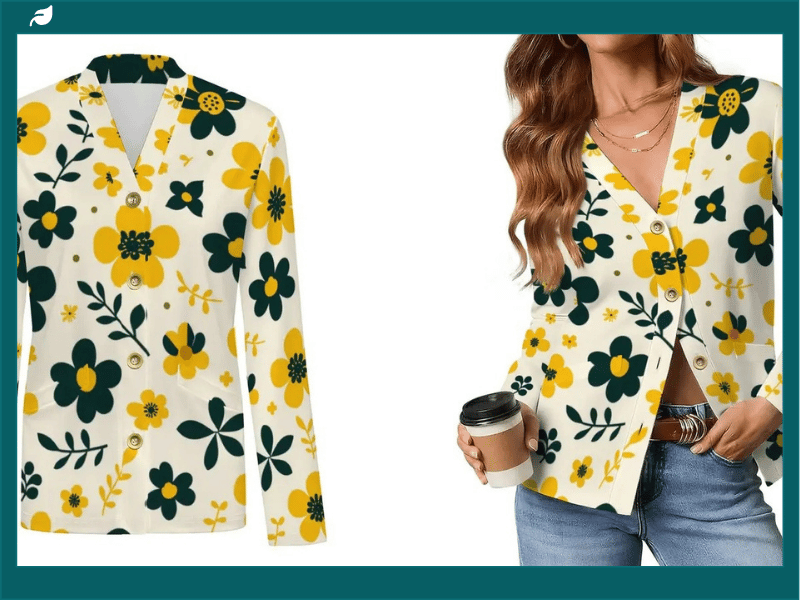
How to Create a Clothing Brand With 7 Steps
1. Define Your Sustainable Brand Identity
You should know who that eco-aware audience is, what philosophy your sustainable brand looks like, and its main values. Seek Styles like upcycled or organic styles and identify principles to aspire toward.
This clarity keeps you from making decisions out of wasteful tendencies and establishes genuine trust in the long run. A clear identity informs every decision that a business makes, including product development and marketing strategy.
2. Research the Sustainable Clothing Market
Research some of the ever-changing green trends going on – upcycling or circular fashion models, for example. Find out the needs of eco-conscious consumers. Study who is already succeeding and where they fail as well to discover the missing holes in the market for sustainability.
Thorough market research prevents you from making big mistakes and guarantees your brand meets genuine demand.
3. Shell out for a Collection of Green Merchandise
Concentrate on versatile, sustainable pieces made from eco-friendly fabrics and designed with as little waste as possible. Focus on size inclusivity and price to as low as possible to reduce returns and waste, lowering startup costs and unsold inventory.
You can create a strong reputation and raise the quality level of your product line before you expand, because focused collections are recognized by customers.
4. Secure Trusted Production Partners
Work with small suppliers and manufacturers who embody your commitment to sustainability. Seek out partners that source sustainable fabrics, use non-toxic dyeing, and are transparent in their processes.
For smaller budgets, choose print on demand services to reduce resource waste from having inventory. Reliable partners will keep you while you make certain that your brand continues to follow ecology pledges.
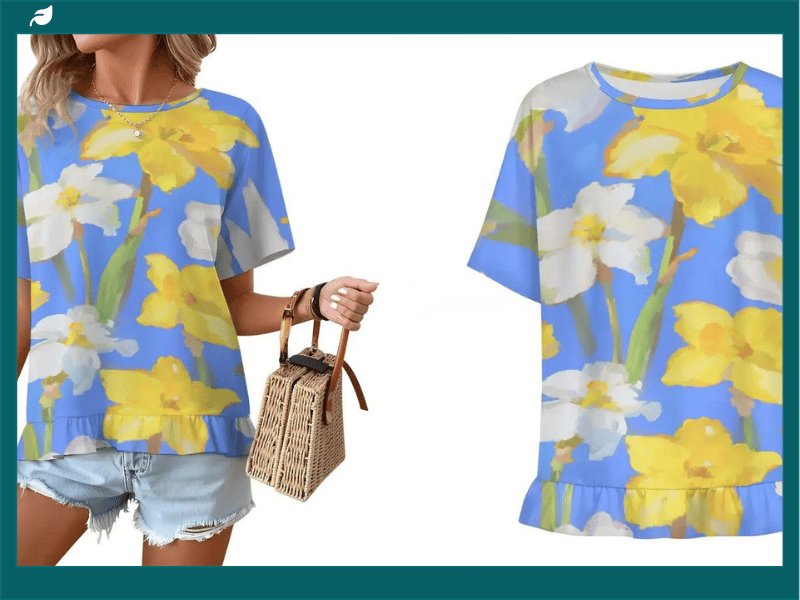
5. Design Original Styles and Samples in a Green Way
Integrate elements of green innovation, like upcycled fabrics, zero-waste designs, or biodegradable trims. Before going into full production, test product samples to make sure they fit correctly while being everything you want in a sustainable garment.
This means sampling avoids wasting time, money, and materials in the long run by identifying issues early.
6. Figure Out Transparent Pricing and Responsible Platforms
Base the price of your products on sustainable materials, labour, and packaging. Balanced pricing allows you to stay profitable and continue pledging to sustainability.
Sales channels are in accordance with the behavior of a responsible business. Your social shops, Etsy, or simply your Shopify Store. Mixing sales channels leads to greater promotion.
7. Market Your Sustainable Brand and Expand Gradually
Come clean and market your brand with BTS footage about how to be sustainable, the story behind your brand, or outfit ideas. Get in touch with your audience and get feedback so you can improve the products.
When you practice real marketing, it resonates, and people trust you because they have a shared vision with your brand.
Conclusion
It is possible to start a sustainable clothing brand. That is how easy it can be, if the plans are made with an eco-friendliness in focus. With comprehensive groundwork focused on eco-aspects, and by keeping your values and customers top of mind, you can forge a brand that makes a positive impact on the planet.
Maintain high quality and connect with eco-obsessed customers. Consistency and authenticity are the learnings everyone who wants to grow a core group of customers, that will scale in size over time, needs to ensure. Their business stays relevant within fashion.